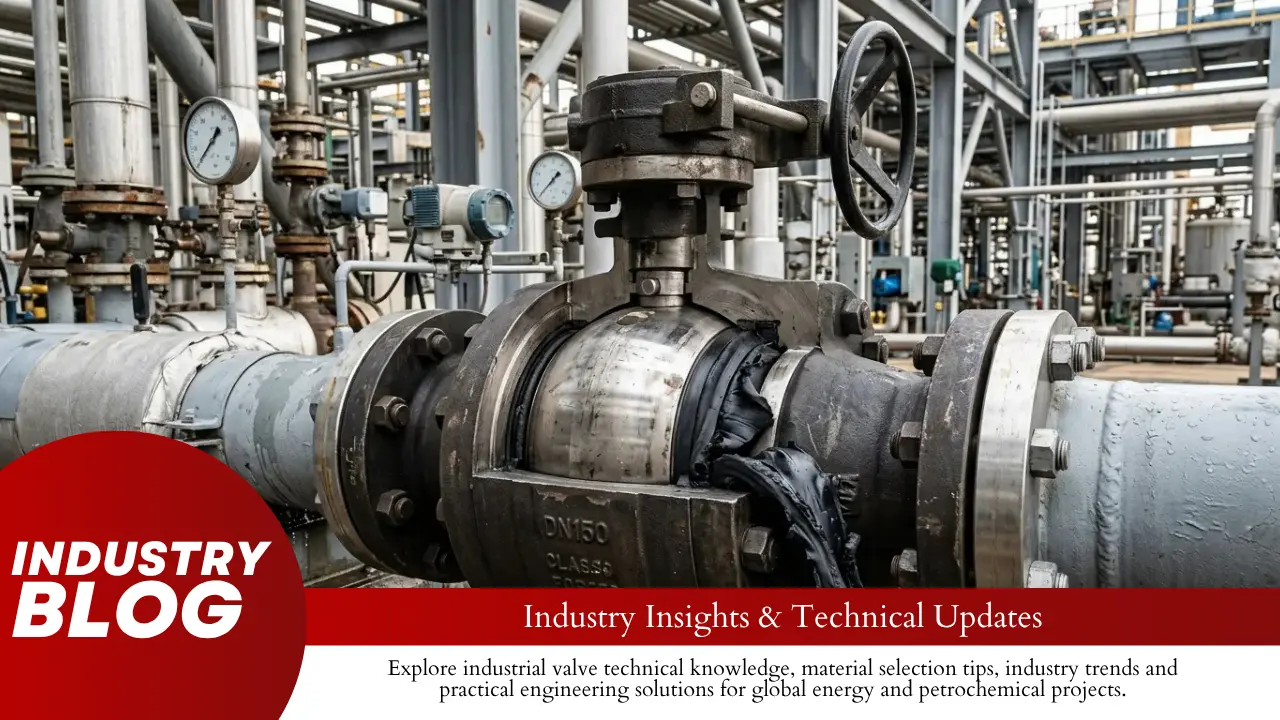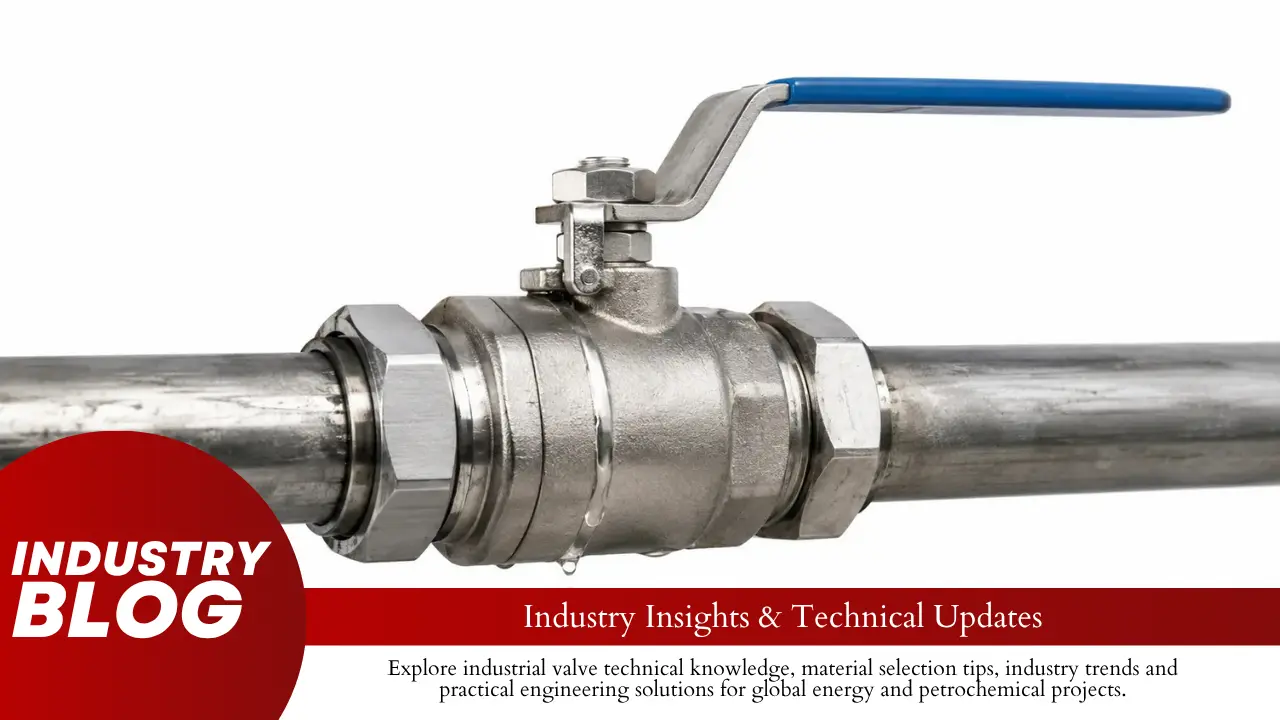
Quick answer: For large API 6D pipeline isolation valves, EPC contractors commonly evaluate SLB Cameron, Flowserve Valbart, PetrolValves and Neway. Emerson Fisher and Baker Hughes Masoneilan are stronger choices for control valves, while Baker Hughes Consolidated specializes in pressure relief valves. Velan and Valvitalia can suit mixed station packages. No manufacturer is approved for every Middle East project. Check the operator, factory, valve type, material range and approval status before placing an order.
A well-known brand is not enough. The offered valve must match the fluid, pressure, temperature, valve function and project specification. The exact manufacturing plant must also be approved.
Important: This article supports vendor screening and procurement planning. Final valve selection must follow the project datasheet, valve specification, piping class, safety study and owner approval.
Key Data at a Glance
| Item | Useful reference | What it means |
|---|---|---|
| Common ASME pressure classes | Class 150, 300, 600, 900, 1500 and 2500 | The class number is a rating category, not the valve pressure in psi. Actual pressure depends on material and temperature. |
| LNG temperature | About −162°C or −260°F | An LNG valve needs suitable low-temperature materials, seals, bonnet design and cryogenic testing. |
| API 6D quality levels | QSL 2, QSL 3/3G and QSL 4/4G | Higher levels add stricter material, inspection, testing and document controls. “G” levels include high-pressure gas testing. |
| Comparable reference example | NPS 12 Class 300 is not equal to NPS 36 Class 900 | The larger, higher-class valve has different body loads, seat forces, torque, machining and testing risks. |
| Example supplier references | At least 3 similar operating references | This is a practical project target, not an API or ASME rule. |
ASME valve and flange systems commonly use Classes 150, 300, 600, 900, 1500 and 2500.[1] A Class 600 valve is not simply a valve rated to 600 psi. Its permitted pressure changes with the body material and design temperature.
LNG is natural gas cooled to about −162°C, or −260°F. In liquid form, it occupies about 1/600 of the volume of natural gas in its gaseous state.[2]
Best Manufacturers by Use
| Project need | Manufacturers commonly evaluated | Why they are shortlisted | Main point to check |
|---|---|---|---|
| Large pipeline ball valves | SLB Cameron, Flowserve Valbart, PetrolValves, Neway | Large-bore trunnion and pipeline designs | Factory approval, similar references, seat design and gas testing |
| Fully welded ball valves | SLB Cameron, Flowserve Valbart, Neway | Fewer bolted body joints for buried pipelines | Repair method, cavity relief, weld ends and local support |
| Top-entry ball valves | PetrolValves, Flowserve Valbart, Velan ABV | Internal parts may be reached without removing the valve body | Lifting space, special tools and spare parts |
| Pipeline gate valves | SLB Cameron, Flowserve, PetrolValves, Neway | Full-opening flow path and pigging options | Slab or expanding design, seat wear and cavity pressure |
| Pipeline check valves | SLB Cameron, Flowserve, Neway, Velan | Swing, dual-plate and axial-flow designs | Minimum stable flow, closing response and surge risk |
| Control valves | Emerson Fisher, Baker Hughes Masoneilan | Sizing, noise control and severe-service trims | Cv, valve opening, cavitation, noise and actuator thrust |
| Pressure relief valves | Baker Hughes Consolidated | Specialized overpressure protection | Relieving case, certified capacity and backpressure |
| Gas regulators | Baker Hughes Becker and Mooney | Natural-gas pressure control | Flow range, pilot design and fail action |
| Mixed station packages | Flowserve, Velan, Neway, Valvitalia | Several valve types from one supplier group | Factory allocation, package responsibility and documentation |
This table is an initial shortlist. It does not prove approval by Saudi Aramco, ADNOC, QatarEnergy, Kuwait Oil Company or another operator.
SLB Cameron
Best for: Large-bore pipeline ball valves, fully welded ball valves, through-conduit gate valves and check valves.
Cameron is commonly considered for mainline pipeline isolation. Its product families include fully welded and bolted-body ball valves, slab and expanding gate valves, check valves and double-block-and-bleed designs.
A fully welded body removes the large bolted joints between body sections. This reduces one group of possible external leak paths, which can be useful for buried and remote pipelines. It does not remove leakage risks at the stem, seats, vents, drains or injection fittings.
Check before approval: Confirm the exact factory, body construction, seat arrangement, fire-test range, actuator package and local repair support. For buried valves, review the stem extension, vent and drain lines, coating limits and valve-pit arrangement.
A top-entry or bolted design may be easier to repair when internal access is important. See this side-entry vs top-entry ball valve comparison.
Flowserve
Best for: Combined pipeline, terminal, LNG, refinery and process-valve packages.
Flowserve supplies valves through brands such as Valbart, Serck Audco, Nordstrom, Argus, McCANNA, Valtek and MOGAS. It also supplies Limitorque actuation products.
Its main advantage is product coverage. One project may source pipeline ball valves, plug valves, control valves, severe-service valves and actuators through the same supplier group.
Check before approval: Do not treat every Flowserve brand or plant as one approved source. Require a tag-by-tag list showing the design owner, manufacturing plant, actuator assembly plant, final test location and warranty holder.
For lubricated plug valves, check the injection schedule and fluid compatibility. For combined packages, one company should accept responsibility for the complete valve and actuator assembly.
Emerson
Best for: Control valves, high pressure drop, cavitation, noise control, actuators and valve diagnostics.
Relevant products include Fisher control valves and regulators, KTM ball valves, Keystone butterfly valves, Vanessa triple-offset valves, Bettis actuators and FIELDVUE positioners.
A control valve cannot be selected from pipe size alone. The supplier needs the minimum, normal and maximum flow, inlet and outlet pressure, temperature, fluid data, shutoff class, noise limit, air pressure and fail position.
Check before approval: Review Cv, valve opening, outlet velocity, noise, cavitation or flashing risk, actuator thrust and stem stress for every operating case.
A valve sized only for maximum flow may run almost closed during normal operation. This can cause poor control, noise and faster trim wear.
A control valve should not also serve as the only emergency isolation barrier unless the project safety study allows it.
Baker Hughes
Best for: Control valves, pressure relief valves, gas regulators and pressure-control stations.
Its main product families include Masoneilan control valves, Consolidated pressure relief valves, Becker natural-gas control equipment and Mooney regulators.
For pressure relief valves, check the relieving case, required capacity, set pressure, operating pressure, inlet pressure loss, backpressure and discharge system.
An oversized relief valve can cycle or chatter when the required flow is much lower than its capacity, or when the inlet and outlet piping create unstable pressure conditions. The full sizing calculation matters more than the selected orifice letter.
Check before approval: For pilot-operated designs, review minimum operating pressure, pilot tubing, filtration, backpressure and the effect of wet or dirty gas.
PetrolValves
Best for: Top-entry ball valves, engineered isolation valves, LNG, offshore and critical service.
PetrolValves offers side-entry, top-entry, fully welded and metal-seated ball valves, together with gate, globe and check valves.
Top-entry valves can allow internal work while the valve body stays in the pipeline. This can reduce removal work, but maintenance still requires safe isolation, full pressure release, lifting equipment, overhead space and correct spare parts.
Check before approval: Ask for the maintenance procedure. Confirm which internal parts can be removed in place, which tools are required and how quickly seats, seals and other special parts can be supplied.
Neway Valve
Best for: Broad API 6D packages where production capacity and competitive pricing are important.
Neway supplies trunnion-mounted, fully welded, top-entry, floating and metal-seated ball valves. It also supplies gate, globe, check, butterfly and cryogenic valves.
Check before approval: Review the factory-specific API licence, casting and forging sources, heat treatment, material identification, hardness, welding, coating, nondestructive examination and traceability.
A small Class 300 reference does not prove experience with a large Class 900 valve. Similar references should match the valve type, size, pressure class, material, fluid, seat design, actuator and manufacturing plant.
Velan
Best for: Gate, globe, check, ball, cryogenic and severe-service valves used in stations and process plants.
Velan offers forged and cast steel valves, pressure-seal valves, ball valves, triple-offset valves and severe-service designs. Velan ABV adds engineered ball valves and automation products.
Check before approval: Confirm whether the product comes from Velan, Velan ABV or another plant. For cryogenic valves, check impact testing, extended bonnet length, low-temperature seat testing, thermal cycling, cleaning and drying.
LNG is handled at about −162°C. A longer bonnet alone does not make a valve suitable for LNG. The body, stem, seals, bolting and test method must all suit the project temperature. See the forged cryogenic ball valve range.
Valvitalia
Best for: Packages combining valves, actuators, isolation joints, fittings and gas regulation equipment.
Valvitalia can be useful when an EPC contractor wants fewer package interfaces. Its group covers ball, gate, globe and check valves, as well as actuators and other pipeline equipment.
Check before approval: Identify the company that owns the design, the factory that makes the product, the location of final testing, the actuator integrator and the company that provides the warranty.
For combined packages, use an interface list covering sizing, assembly, tubing, wiring, testing, documentation and field support.
Approved Vendor List Strategy
Supplier registration, manufacturer approval and project approval are different.
QatarEnergy states that vendor registration and an SAP vendor code do not confirm qualification or prequalification for a product or scope of work.[3]
QatarEnergy also states that its Projects Preferred Manufacturers List is for manufacturers rather than agents, resellers, representatives or contractors. PML registration is separate from general vendor registration.[4]
ADNOC requires suppliers to register and become prequalified for at least one relevant product or service group.[5] Kuwait Oil Company also provides manufacturer-prequalification functions through its official eBusiness portal.[6]
Aramco uses separate registration and qualification processes based on supplier type and location. Registration or qualification does not guarantee future orders.[7]
Record the Full Approval Scope
An approved vendor list should record:
- Legal company and brand name
- Factory address and country
- Approved valve type
- Approved size and pressure range
- Approved materials
- Approval reference and expiry date
- Limits or special conditions
- Last factory audit
- Recent delivery and quality results
Do not approve a group name alone. Approval should identify the plant and product scope.
Use Pass or Fail Checks First
Before comparing price, require:
- Current owner or project approval
- Correct manufacturing factory
- Correct product and certificate scope
- Suitable materials and seat design
- Similar operating references
- Required test capacity
- Acceptance of inspection hold points
A low price cannot correct a failed mandatory requirement.
Control Supplier Changes
Check the approval again if any of these change:
- Factory location
- Company ownership
- Valve design
- Assembly location
- Final test location
- API licence
- Important subcontractor
The purchase order should stop the supplier from making these changes without written approval.
Track Supplier Performance
Approval status alone does not show whether a manufacturer performs well. Record actual project results.
| Supplier KPI | Example project target |
|---|---|
| Documents submitted on time | At least 90% |
| FAT passed on the first attempt | At least 90% |
| Final delivery on time | At least 90% |
| Open major NCRs at shipment | 0 |
| Initial warranty response | Within 2 working days |
| Comparable operating references | At least 3 |
Note: These are example EPC targets, not universal industry requirements. Each project should set targets based on valve risk and schedule.
Check the Factory
The factory matters more than the sales office. Different plants under the same group may use different designs, material suppliers, test equipment and quality teams.
Confirm:
- Where the valve is designed
- Where the body and main parts are made
- Where the valve is assembled
- Where final testing is performed
Also identify outside suppliers for castings, forgings, heat treatment, hardfacing, nondestructive examination, gearboxes, actuators and instruments.
API provides a live Composite List for checking API Monogram licensees, locations and licence scope.[8]
Use this API 6D valve factory audit checklist when preparing a supplier visit.
Choose the Valve Type
Pipeline valves and station valves do not perform the same job. Select the valve type before selecting the manufacturer.
Ball Valves
Ball valves provide quarter-turn isolation, low pressure drop and full-bore options. Large pipeline designs commonly use a trunnion-supported ball and spring-loaded seats.
Review:
- Floating or trunnion construction
- Side-entry, top-entry or fully welded body
- Full or reduced bore
- Seat pressure action
- DBB or DIB function
- Cavity pressure relief
- Operating torque
This floating vs trunnion ball valve comparison explains the main cost and application differences. The internal parts are explained in this trunnion ball valve guide.
Gate Valves
Through-conduit gate valves provide a straight flow path and may support pigging. Common pipeline types include slab gate and expanding gate valves.
Check:
- Slab or expanding design
- Seat sealing direction
- Body-cavity pressure relief
- Low-pressure sealing
- Operating thrust
- Performance in dirty service
Plug Valves
Plug valves can suit isolation and switching service. They are often considered for metering and terminal duties.
Check whether lubrication is required, how often it must be injected and whether the lubricant is safe for the process fluid.
Check Valves
Check valves stop reverse flow. Their closing action can affect pumps, compressors and pipeline pressure surges.
Common designs include swing, dual-plate and axial-flow check valves. Axial-flow designs are often sold as non-slam valves, but actual closing performance still depends on the pipeline system.
Do not select a check valve only by pipe size. An oversized valve may not remain fully open at normal flow, causing disc movement, vibration and wear.
Request:
- Minimum stable-flow data
- Pressure-drop curves
- Permitted installation positions
- Disc travel information
- Closing behavior during flow reversal
Standards That Matter
API 6D
API 6D is used internationally to define manufacturing requirements for pipeline and piping valves. API currently lists the 25th edition as the active edition.[9]
The published scope covers axial, ball, check, gate and plug valves used in petroleum, natural gas and hydrogen gas service.[10]
The purchase order should state:
- Contract edition
- Applicable addenda and errata
- Required Quality Specification Level
- Pressure and gas tests
- Documents and records
- Required marking
Do not write only “latest API 6D.” The applicable edition should be agreed before order placement.
API 6D Quality Levels
Under API 6D 25th Edition Addendum 2, the optional quality levels increase in strictness in this order:
| Quality level | Main difference | Typical use |
|---|---|---|
| QSL 2 | Added material, test and document controls | Projects requiring more control than the base API 6D requirements |
| QSL 3 | More repeated hydrostatic tests, torque or thrust testing and wider inspection | Higher-risk liquid or general pipeline service |
| QSL 3G | QSL 3 controls plus repeated high-pressure gas shell and seat tests | Critical gas service |
| QSL 4 | More repeated and extended tests than QSL 3 | High-criticality service requiring strict manufacturing control |
| QSL 4G | QSL 4 controls plus three high-pressure gas shell and seat tests | Very high-criticality gas service |
QSL 1 is no longer used as a valve designation in the 25th edition. QSL 2, QSL 3/3G and QSL 4/4G are optional requirements selected by the purchaser.[10]
A higher QSL does not correct the wrong valve type, material or seat design. It also does not prove owner approval.
ASME B16.34
ASME B16.34 covers pressure-temperature ratings, dimensions, materials, nondestructive examination, testing and marking for several valve constructions.[11]
It does not replace project requirements for seats, fire testing, fugitive emissions, material compatibility or actuation.
ISO 15156
ISO 15156 gives rules for selecting and qualifying metallic materials used in H₂S-containing oil and gas production environments. It adds to, but does not replace, the main design code.[12]
Do not accept “NACE compliant” without the material grade, hardness, heat treatment, welding limits and service conditions.
ISO 15848
ISO 15848-1 covers type testing for external leakage from valve stems, shafts and body joints.[13] ISO 15848-2 covers production acceptance testing where fugitive-emission requirements apply.[14]
A certificate should match the proposed valve type, packing design, temperature class, test gas, leakage class and number of operating cycles.
Fire Testing
API 607 covers fire testing for quarter-turn valves and valves fitted with nonmetallic seats. API 6FA is a separate API fire-test standard for applicable valves.[15]
A fire certificate must match the offered body design, seat system, stem seal, material, size range and pressure range.
A valve fire test does not prove that the complete shutdown package will operate during a fire. The actuator, solenoid, tubing, cables, limit switches and control panel may need separate protection.
See this API 607 vs API 6FA guide for a practical comparison.
Critical Technical Checks
Sour Service
Sour-service selection depends on more than the amount of H₂S in parts per million. The engineer may also need H₂S partial pressure, total pressure, temperature, water content, pH, chlorides and elemental sulfur.
Check:
- Material grade and heat treatment
- Hardness of the base metal, weld and heat-affected zone
- Bolting and trim materials
- SSC or HIC testing where required
- Soft-seat and O-ring compatibility
- Resistance to rapid gas decompression
A soft-seated ball valve can provide tight shutoff in clean service within the seat temperature limit. Abrasive, dirty or hot service may need a metal-seated ball valve.
Seat Design and Cavity Pressure
A single-piston seat can normally release excess body-cavity pressure back into the pipeline. A double-piston seat can provide another sealing barrier but may trap cavity pressure.
DBB means the closed valve can isolate pressure from both ends while the body cavity can be vented or drained. It does not automatically provide two separate barriers against pressure from one side.
DIB is used where two seating surfaces must provide separate isolation against one pressure source. DIB-1 and DIB-2 use different seat arrangements and should not be treated as the same design.
API 6D Addendum 3 requires automatic cavity relief where liquid trapping is possible. For temperatures up to 121°C or 250°F, it also limits the permitted cavity-relief pressure above the valve rating.[16]
A DBB compact manifold may be useful for instrument and small-bore isolation, but it is not a direct replacement for every large pipeline DBB valve.
Bore Size
Use full-bore valves where cleaning pigs, gauge plates or inspection tools must pass through the line.
Check:
- Minimum clear internal diameter
- Weld-end bore
- Seat-ring restriction
- Internal vent or drain intrusion
- Manufacturing tolerance
- Possible welding distortion
“Full port” in a brochure is not enough. Request a bore drawing and, when required, a gauge-plate check during FAT.
Reduced-bore valves may lower price and weight, but they can increase pressure drop, local velocity, noise and erosion. They can also prevent pigging.
Actuator Torque
Actuator sizing should use expected service torque, not only the torque of a new valve tested in a clean factory.
Consider:
- Maximum differential pressure
- Minimum and maximum temperature
- Seat material
- Dirt or solids in the fluid
- Long periods without operation
- Seal aging
- Packing friction
Request:
- Break-to-open torque
- Running torque
- End-to-close torque
- Actuator output at minimum supply
- Actuator output at maximum supply
- Maximum allowable stem torque, or MAST
The actuator must be strong enough to move the valve but not so strong that it can damage the stem, key or gearbox.
See this electric vs pneumatic actuator comparison.
Closing Time
A valve that can close in 10 seconds may still be unsafe for the pipeline. Fast closing can create damaging pressure surges.
The surge study should consider:
- Pipeline length
- Fluid speed and compressibility
- Pipe flexibility
- Pump or compressor action
- Check-valve response
- Valve closing curve
Two valves can both close in 30 seconds but create different pressure changes. The final part of ball-valve travel may cause the largest change in flow area.
State whether closing time is measured from the shutdown command, first valve movement, closed limit-switch signal or final mechanical stop.
Middle East Site Conditions
Outdoor equipment in the Middle East may face high temperatures, direct sunlight, dust, coastal salt and long storage periods.
Check:
- Actuator output at the highest site temperature
- Seal, lubricant, cable and instrument temperature limits
- Dust protection for gearboxes, vents and control boxes
- Coating system for coastal or buried service
- Internal drying and rust protection after testing
- Storage checks and re-preservation intervals
ADNOC uses its In-Country Value program to measure and support local economic contribution in the UAE.[17] Aramco’s iktva program supports supply-chain value and manufacturing capability inside Saudi Arabia.[18]
Local content is most useful when it provides real assembly, testing, stock, repair or field-service capability.
Factory Audit and FAT
A useful factory audit follows a real order from material receipt to final release.
Review:
- Design ownership and drawing control
- Material storage and heat-number transfer
- Welding and heat treatment
- NDE procedures and staff qualifications
- Calibration
- Assembly cleanliness
- Pressure-test capacity
- Nonconformance control
- Preservation and final records
The factory must have safe test restraints, lifting equipment and a test area suitable for the largest valve and pressure class in the order.
Factory Acceptance Testing
The inspection and test plan should state:
- Shell and seat test pressure
- Test direction and duration
- Test liquid or gas
- Permitted leakage
- Gas testing where required
- Functional and torque testing
- Cavity-relief testing
- Actuator and shutdown testing
During FAT, check instrument calibration, gauge range, pressure holding time, test direction and leakage-measurement method.
A water seat test may pass while a sensitive gas test finds a small leak. The purchase order should define the test that matches the service risk.
After testing, the valve should be drained, dried, protected internally and packed for the expected storage period.
Delivery and Lifecycle Cost
Large forgings, castings, balls, alloy materials, coatings, gearboxes, actuators and special tests often control delivery time.
Request a schedule covering:
- Drawing approval
- Material purchase and receipt
- Machining and heat treatment
- NDE and assembly
- Pressure testing and FAT
- Final documents and shipment
A short lead time needs evidence that the required material and actuator capacity are available.
Compare the complete cost of:
- Valve and actuator
- Accessories and testing
- Commissioning and operating spares
- Special tools
- Documentation and inspection
- Training and site support
- Long-term repair parts
A cheaper valve may cost more if it needs overseas technicians, special tools or a long shutdown. This API 6D ball valve maintenance guide explains common spare-parts and service issues.
Scoring Method
Use two stages. First remove suppliers that fail a mandatory requirement. Then score the remaining suppliers.
Mandatory Stage
| Requirement | Result |
|---|---|
| Current owner or project approval | Pass or fail |
| Correct manufacturing factory | Pass or fail |
| Correct valve and certificate scope | Pass or fail |
| Material and service compliance | Pass or fail |
| Similar references | Pass or fail |
| Required test capacity | Pass or fail |
| Acceptance of inspection points | Pass or fail |
Scoring Stage
| Area | Example weight |
|---|---|
| Technical fit and design history | 25% |
| Similar references | 15% |
| Factory quality and testing | 15% |
| Delivery plan and capacity | 15% |
| Documents and engineering support | 10% |
| Local service and spare parts | 10% |
| Complete commercial price | 10% |
Only suppliers that pass the mandatory stage should receive a score. As an example, an EPC contractor may set a minimum final score of 75 out of 100. This is a project target, not an industry rule.
For critical mainline valves, increase the weight of technical fit, similar references and factory testing. For remote stations, increase the weight of local service and spare parts.
Red Flags
- The factory address is missing
- The approval is expired or belongs to another plant
- The offered design has no similar reference
- A fire certificate covers a different valve design
- “NACE compliant” is stated without material limits
- Torque will only be confirmed after the order
- The actuator is sized without differential pressure
- The manufacturer will not identify key suppliers
- Material traceability stops before final assembly
- The delivery promise is shorter than the material lead time
- Required tests are excluded from the price
- The supplier cannot explain cavity relief
- The bore drawing does not show the minimum clear diameter
- MAST is not provided
- The FAT procedure does not define leakage measurement
- Irreversible production starts before required approval
- The local service center cannot repair the offered valve
Frequently Asked Questions
Is Registration the Same as Manufacturer Approval?
No. Registration creates a commercial record. Technical approval normally applies to a product group, manufacturer and factory.
Does an API 6D Licence Prove Owner Approval?
No. API licensing and owner approval are separate processes.
Can an Approved Agent Supply from Any Factory?
No. Agent authorization does not approve every manufacturing location.
Can a Non-AVL Manufacturer Be Proposed?
Sometimes, but the owner may require documents, references, an audit, tests and formal approval. This can delay the project.
Is a Zero-Leakage Statement Enough?
No. The requirement must state the test standard, test fluid, pressure, direction, duration and permitted leakage.
How Many Similar References Should Be Requested?
There is no universal number. Three similar operating references are a reasonable starting point for many EPC evaluations. Critical or unusual valves may need more evidence.
Conclusion
A reliable Middle East EPC shortlist should pass seven checks before price is considered: current owner approval, correct factory, correct product scope, suitable materials, similar references, adequate test capacity and acceptance of inspection hold points. Common project ratings range from Class 150 to Class 2500, while LNG valves may operate near −162°C. For higher-risk API 6D orders, QSL 3G or QSL 4G may add repeated gas testing and tighter controls. Compare the complete package cost, including the actuator, FAT, documents, spares and field support. This process prevents a low bid from hiding an unapproved factory, weak test capability or unsafe actuator sizing.