
Metal-Seated Trunnion Ball Valves for High-Temperature, High-Pressure Service
CARILO metal-seated trunnion ball valves comply with API 6D, API 6FA and ISO 5208 for demanding high-temperature, high-pressure service. A solid forged ball is supported by trunnion shafts, reducing operating torque and wear on the metal sealing faces. Available in 2"–24", Class 150–900, with a specified temperature range of -29°C to 350°C and ISO 5208 Rate C leakage performance.
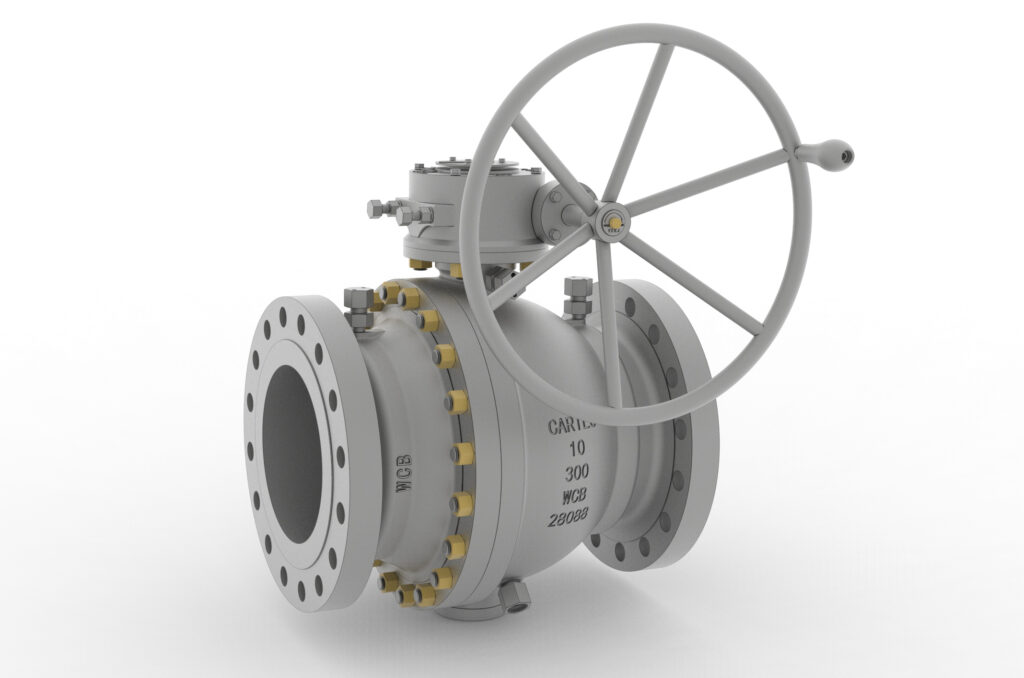
Metal-to-Metal Sealing for High-Temperature, High-Pressure Service
CARILO metal-seated trunnion ball valves use a solid forged ball supported by trunnion shafts. The trunnion carries medium pressure loads to reduce operating torque and wear on the metal sealing faces, while primary metal-to-metal sealing is backed by a secondary protective O-ring.
All metal-seated valves are specified to ISO 5208 Rate C leakage performance, using primary metal-to-metal sealing with a secondary protective O-ring for reliable shut-off.
The specified operating temperature range is -29°C to 350°C. The metal-seated trunnion design is intended for demanding high-temperature and high-pressure transmission and industrial service.
Cast Body, Metal Seats — Built for Hot, Dirty Lines
We do both floating and trunnion cast builds. Each feature below is there because we've seen it fail in the field and we fixed it.
Hardened, Lapped Seats
We hard-face the ball and seats, then lap them together as a matched pair. Metal on metal — it seals when it's hot, it seals with particles going through, and it doesn't soften, swell, or wash out like polymer does.
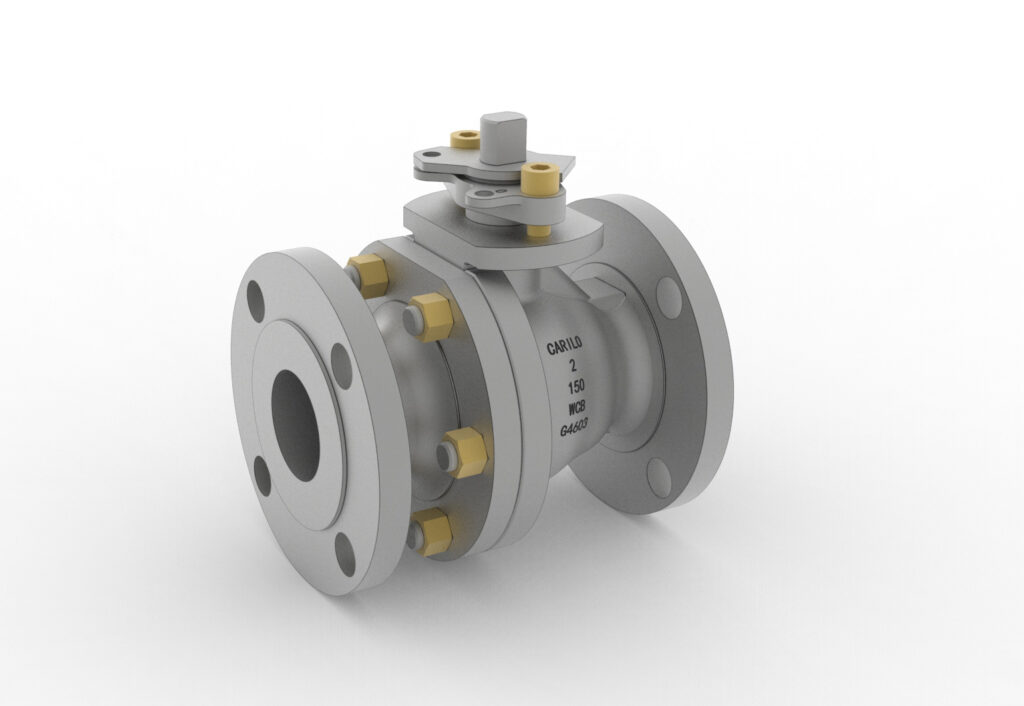
API 607 Fire-Safe
Fire-safe design, tested to API 607. Required for flammable and refinery service.
Blowout-Proof Stem
Stem is retained from the inside — can't blow out under pressure. Basic safety, but you'd be surprised how many valves skip this.
Anti-Static Device
Built-in static discharge per API 6D — not optional when you're running flammable media through the valve.
Cavity Pressure Relief
Self-relieving seats or a body relief valve — either way, the cavity won't over-pressure and lock up on you.
Emergency Sealant Injection
Sealant fittings built into the trunnion builds — if a seat ever acts up in the field, you can pump sealant in and get your seal back without pulling the valve.
Low Emission Options
Stem sealing to ISO 15848 for fugitive emissions — spec it if your site requires it.
High Cv, Low Pressure Drop
Cast flow path means we can shape the bore for better flow — higher Cv, less pressure loss across the valve.
Bolted Body, Field Serviceable
Bolted construction — you can open it up on site for service. Cheaper over the life of the valve than something you have to cut out and replace.
Three Cast Materials — Pick What Your Media Needs
With casting, we can pour the body in whatever alloy your line calls for. From plain carbon steel to duplex grades that can sit in seawater all day.
ASTM A216 WCB
Standard carbon steel casting. Good for mid-range temperatures, general oil & gas — and it's the cheapest of the three.
- Steam, thermal oil, natural gas
- Heat treated for thermal stability
ASTM A351 CF8M
316-type stainless casting. Use it when you've got corrosive process media or you need cleaner service for chemical duties.
- Corrosive refinery & chemical lines
- Decent all-round corrosion resistance
ASTM A890 4A / 5A
Duplex and super duplex castings. PREN above 35 — that's the pitting resistance number. Use these when you have high chlorides or sour environments.
- Seawater, produced water, high chloride
- NACE MR0175 / ISO 15156 builds
Not sure which alloy you need? Read our notes on duplex grades for seawater injection and materials for amine service — or just send us your media analysis and we'll tell you what works.
Three Seat Setups — DBB, DIB-1 or DIB-2
Cast trunnion valves can be built with all three seat arrangements from API 6D. In a trunnion valve the shafts take the pressure load, so the ball turns easy and the seats last longer.
SPE Self-Relieving Seats
Each seat seals from either side. When cavity pressure builds up — say from thermal expansion — the seat lifts a bit and vents it on its own. So the valve can't get pressure-locked, open or closed. This is our standard build.
Double DPE Seats
Both seats seal tight from both directions — you get two independent seals. If one ever fails, the other still holds. A small body relief valve handles any trapped pressure. Good for lines where you really can't afford a leak.
SPE + DPE Hybrid
One seat self-relieves back into the line, the other seals tight both ways. So you get automatic pressure relief plus double isolation — best of both, in one valve.
Deeper reading: why pressure builds up inside a closed ball valve and what SPE/DPE seat orientation means for one-direction leaks.
Where These Valves Get Used
Four applications where metal seats make the difference. Each one has a related article from our engineering team.
Thermal Oil & Steam
Hot oil heaters, steam distribution, heat transfer — any line that runs hotter than what soft seats can handle.
Valves for thermal oil systemsRefining & Petrochemical
Hot hydrocarbon, catalyst-carrying, high-cycle process lines. Class 150 to 600.
Cast valve program overviewSour Gas & NACE Service
Sour crude, NGL, wet CO₂ — material needs to be NACE MR0175/ISO 15156 compliant.
Choosing valves for wet CO₂High-Chloride & Produced Water
Seawater injection and produced water with sand — duplex castings plus erosion-proof metal seats.
Valves for produced waterCast or Forged? Depends What You're Doing
We make both, so we're not going to push one over the other. Here's how we tell customers to pick.
Go With Cast If…
You need big bore, complex flow geometry, or you want to save money in Class 150–600 duties.
- Sizes up to NPS 60 (DN1500)
- Usually 20-30% cheaper than forged
- Complex internal shapes, better Cv
- RT & MT available when specified
Go With Forged If…
You're in extreme pressure classes, heavy pressure cycling, or compact high-pressure layouts.
- Classes up to 2500LB in small bores
- Heavy cyclic and wellhead duties
- Compact, rigid bolted bodies
NPS 2 to 60, Class 150 to 600
Full and reduced bore. Flanged RF/RTJ per ASME B16.5 & B16.47, socket weld per B16.11, butt weld per B16.25.
| Pressure Class | Size Range | Typical Service |
|---|---|---|
| Class 150 | NPS 2 – 60 (DN50–DN1500) | Utility steam, storage terminals, low-pressure process headers |
| Class 300 | NPS 2 – 48 (DN50–DN1200) | Refinery and petrochemical process lines, thermal oil systems |
| Class 600 | NPS 2 – 36 (DN50–DN900) | Mid-pressure transmission, sour gas, high-temperature process units |
All operators mount via ISO 5211 flange. We size the actuator to your torque and duty cycle.
One thing to watch: pressure ratings drop as temperature goes up. Check the rating at your working temperature before you lock in the class: how to pick pressure class at elevated temperature.
Cast, Machined, Tested — All in Wenzhou
Zhejiang Carilo Valve Co., Ltd. We cast, machine, assemble and test here in Oubei Town, Wenzhou. NDT can be provided when required by the customer or project specification. Before shipment, every finished valve receives high-pressure hydrostatic shell and seat tests.
- NDT available on request — radiographic (RT) and magnetic particle (MT) examination can be provided when required by the customer or project specification; it is not a default inspection for every order.
- High Pressure Hydrostatic Shell Test — standard pre-shipment test. Test Pressure = 1.5 × Design Pressure.
- High Pressure Hydrostatic Seat Test — standard pre-shipment test. Test Pressure = 1.1 × Design Pressure.
- Full paperwork — material certs, dimensional drawings, test reports all come with the valve.
- Third-party inspection OK — SGS, BV, or your own inspector, no problem. Come before we ship.
Need inspection or repair after delivery? Check our valve service page.

How We Build Your Valve
From your spec to a tested valve ready to ship. Nothing fancy, just documented steps.
Review Your Spec
We look at size, class, temperature, media, how often you cycle the valve — then tell you cast or forged, which alloy.
Cast & Inspect
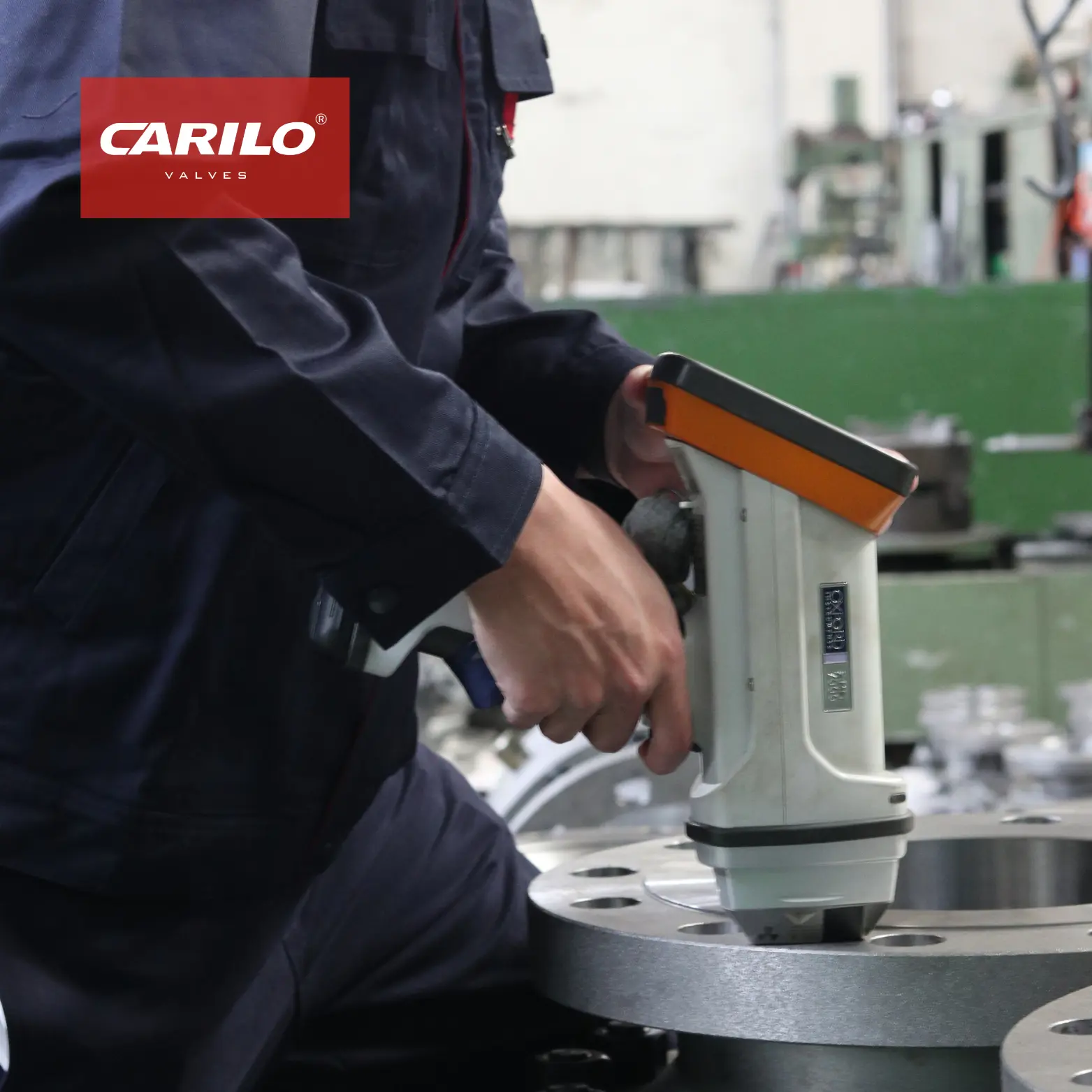
Body and components receive our standard visual inspection and PMI (Positive Material Identification) verification before machining.
Machine & Lap
Ball and seats get hard-faced, precision machined, then lapped together as a matched pair.
Test & Ship
Every finished valve receives a high-pressure hydrostatic shell test at 1.5 × design pressure and a high-pressure hydrostatic seat test at 1.1 × design pressure before shipment. Additional tests can be provided when specified.
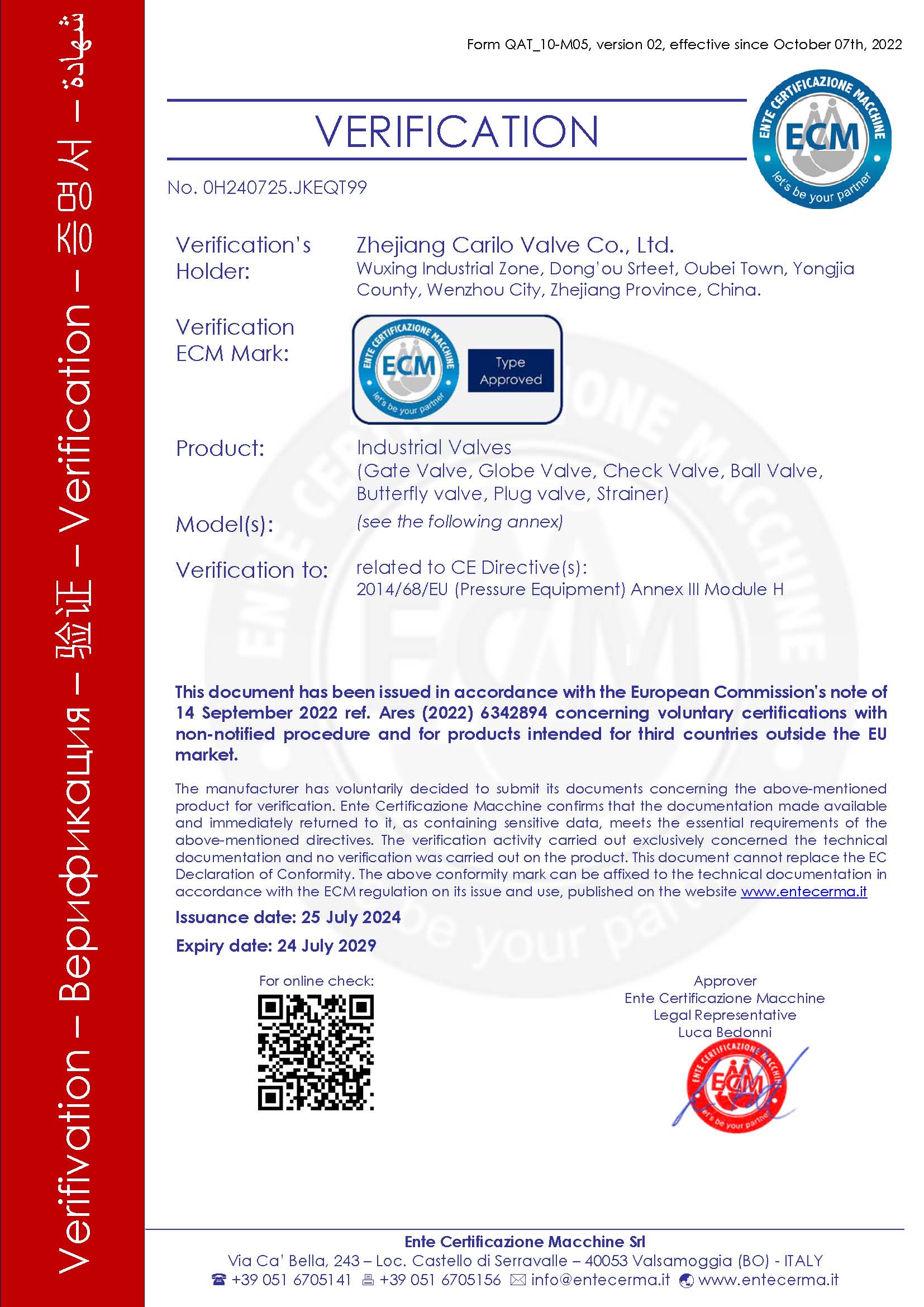
Certified to What Your Project Asks For
Our valves are designed, tested and certified to international valve standards. Here's what we hold.
One Factory, Full Ball Valve Range
If your spec changes — different pressure, temperature, media — we probably already make that valve too, in cast or forged.
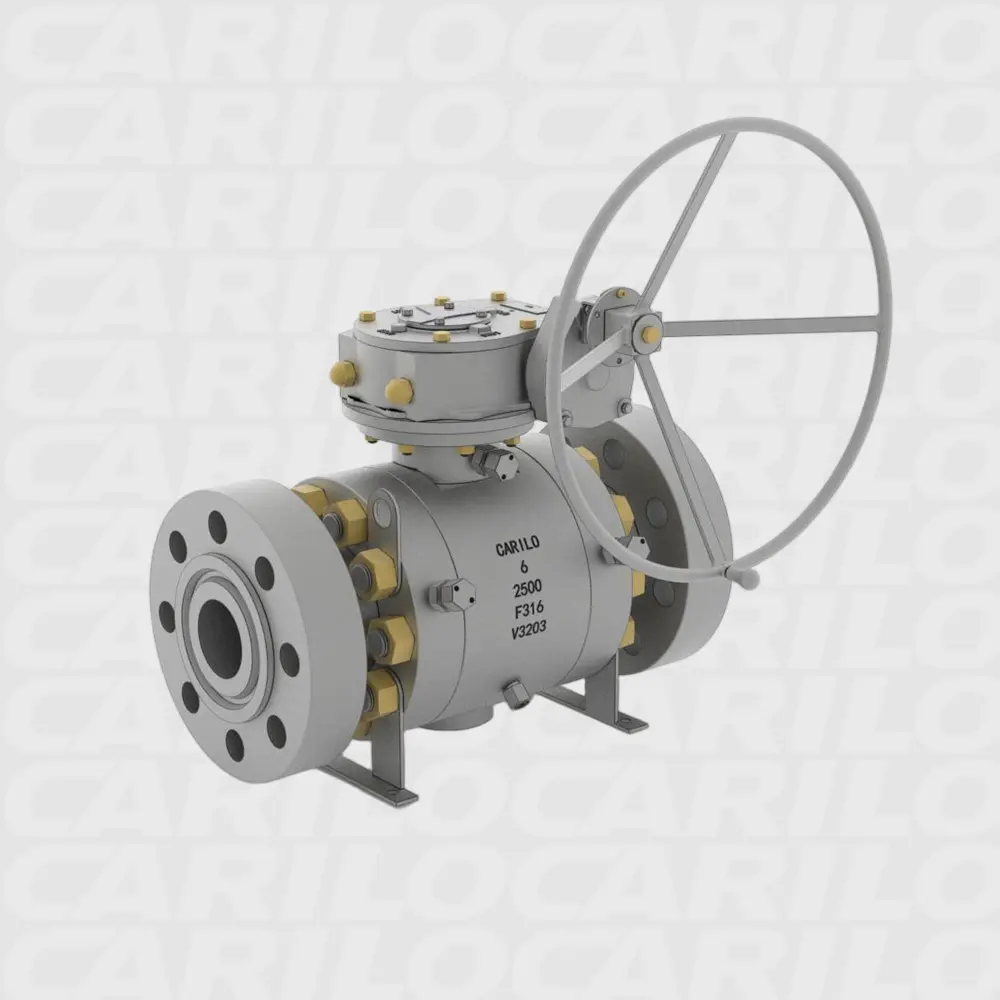
Forged Floating Metal-Seated Ball Valve
Small-bore forged builds to Class 2500LB for extreme high-pressure severe service.
View details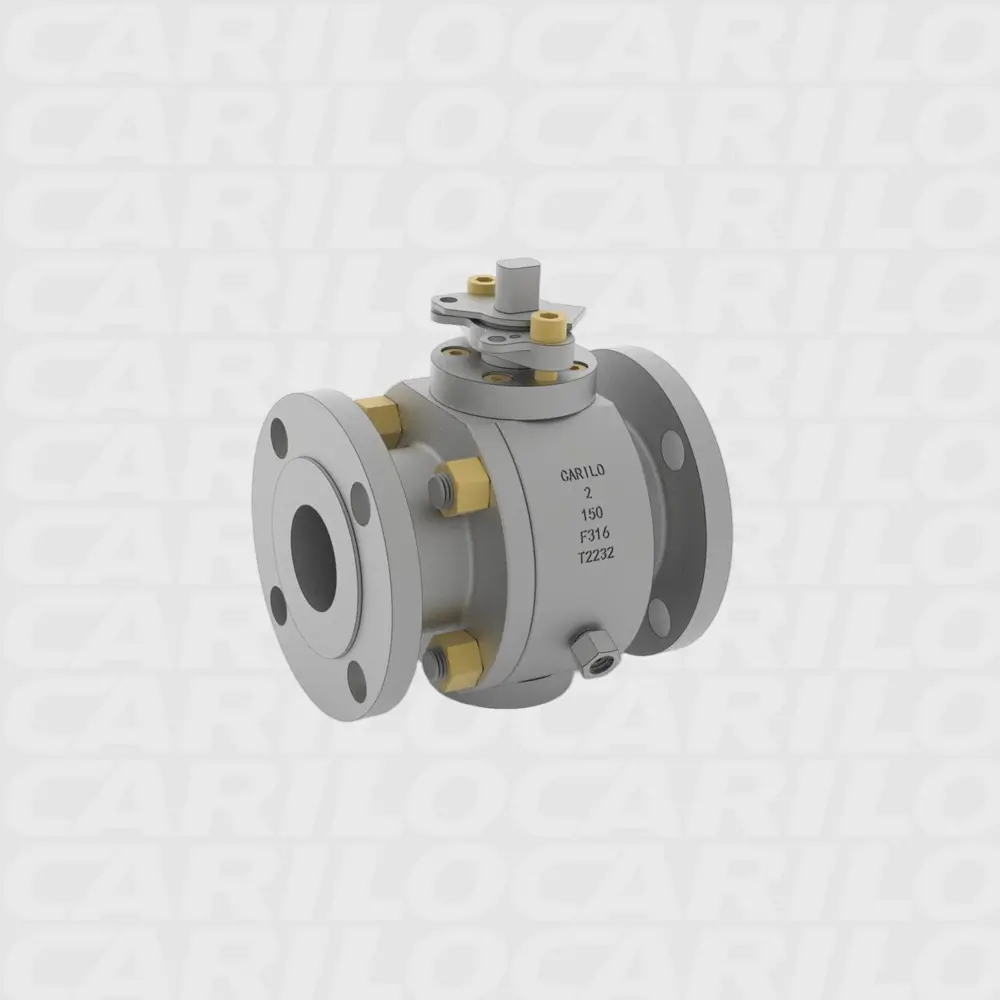
Forged Trunnion-Mounted Soft-Seated Ball Valve
Bubble-tight Rate A shut-off for gas transmission — DBB, DIB-1 and DIB-2 seats.
View details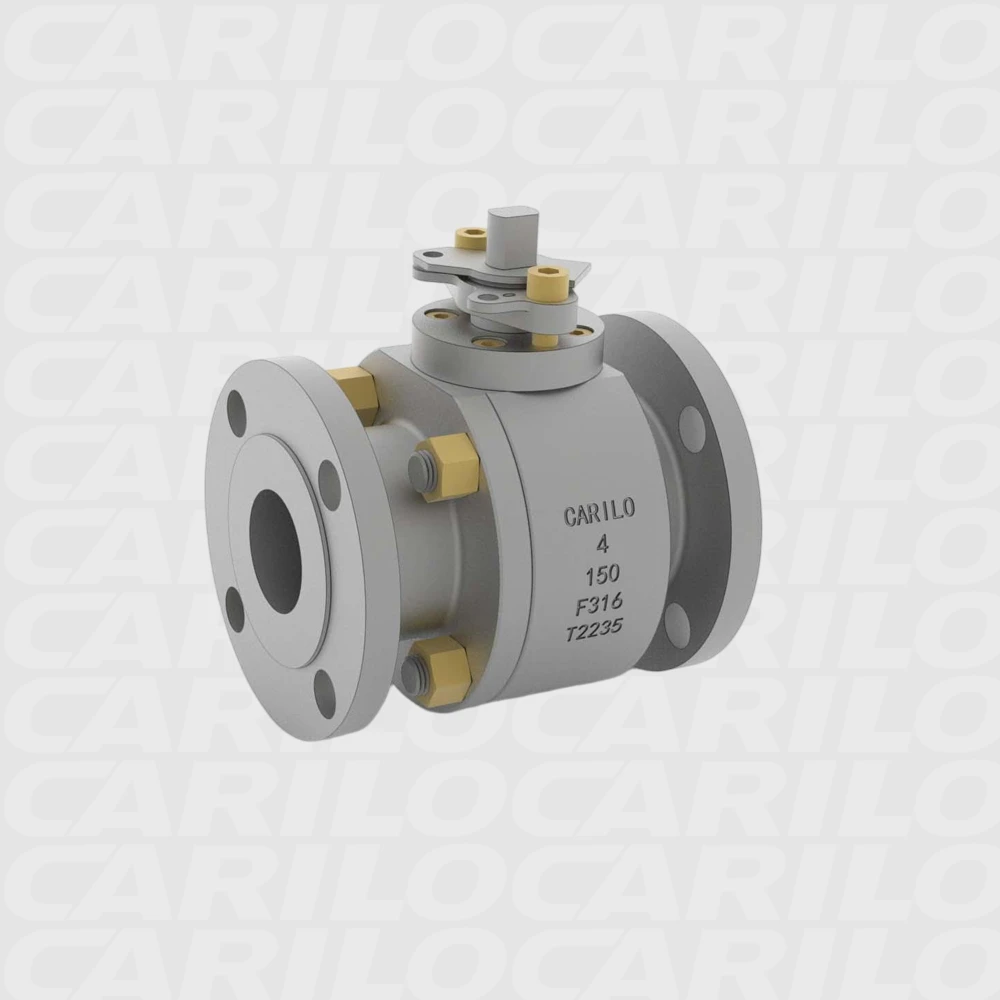
Forged Floating Soft-Seated Ball Valve
Floating forged valves with zero-leakage soft seats for general service.
View details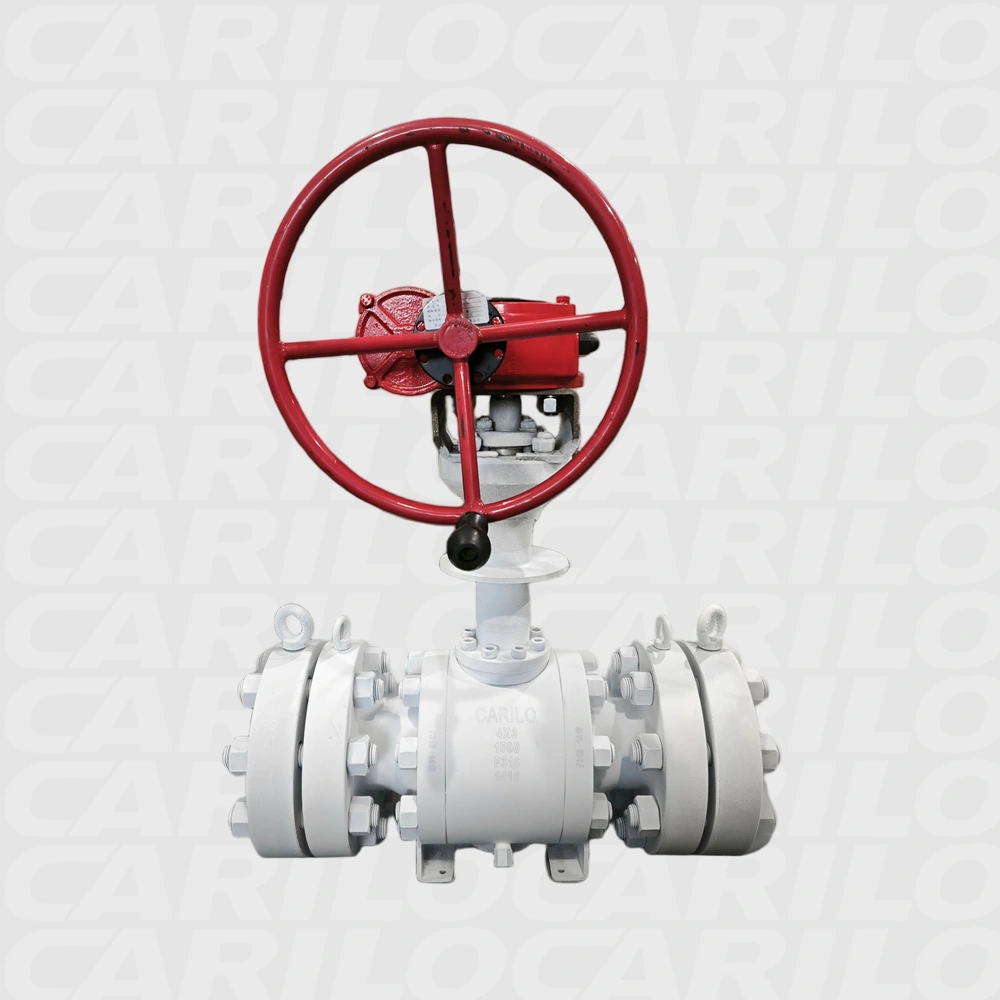
Forged Cryogenic
Extended-bonnet builds for LNG and low-temperature process service.
View details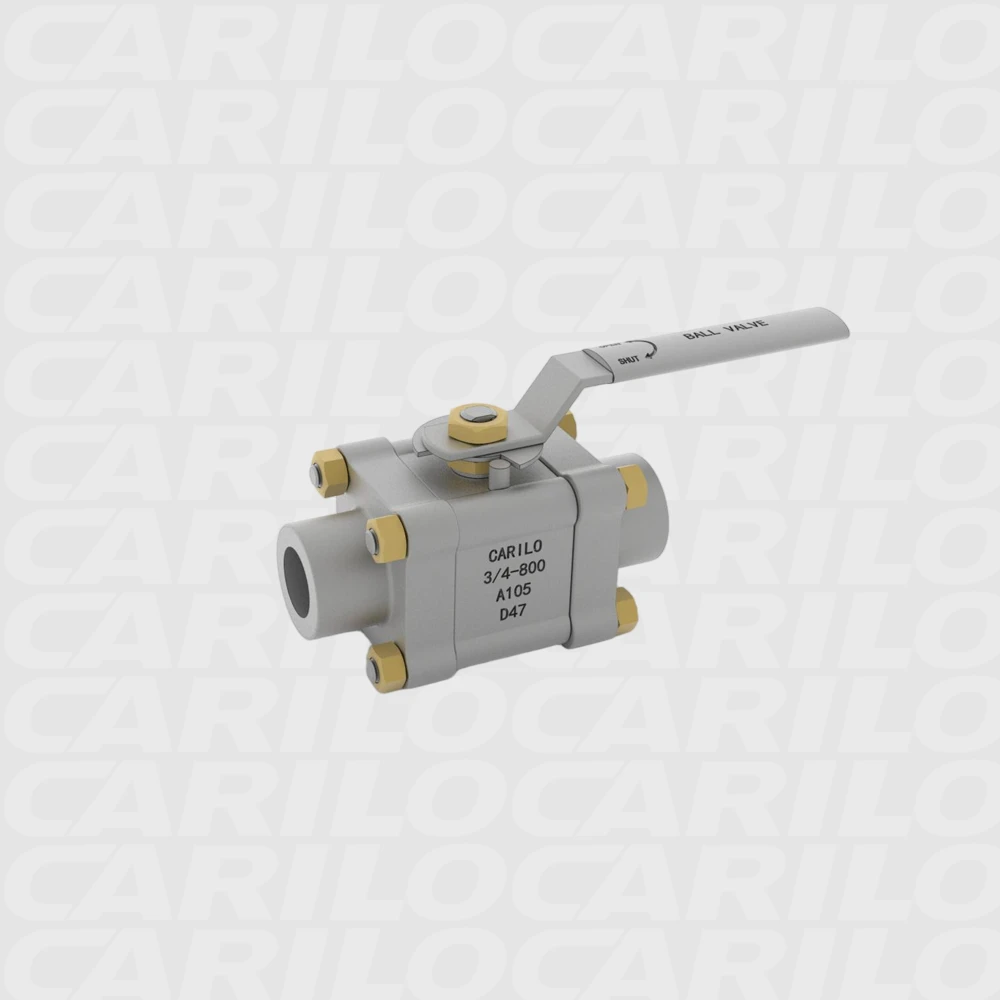
Heavy Duty Small Port
Three-piece forged design for small-bore high-pressure process lines.
View details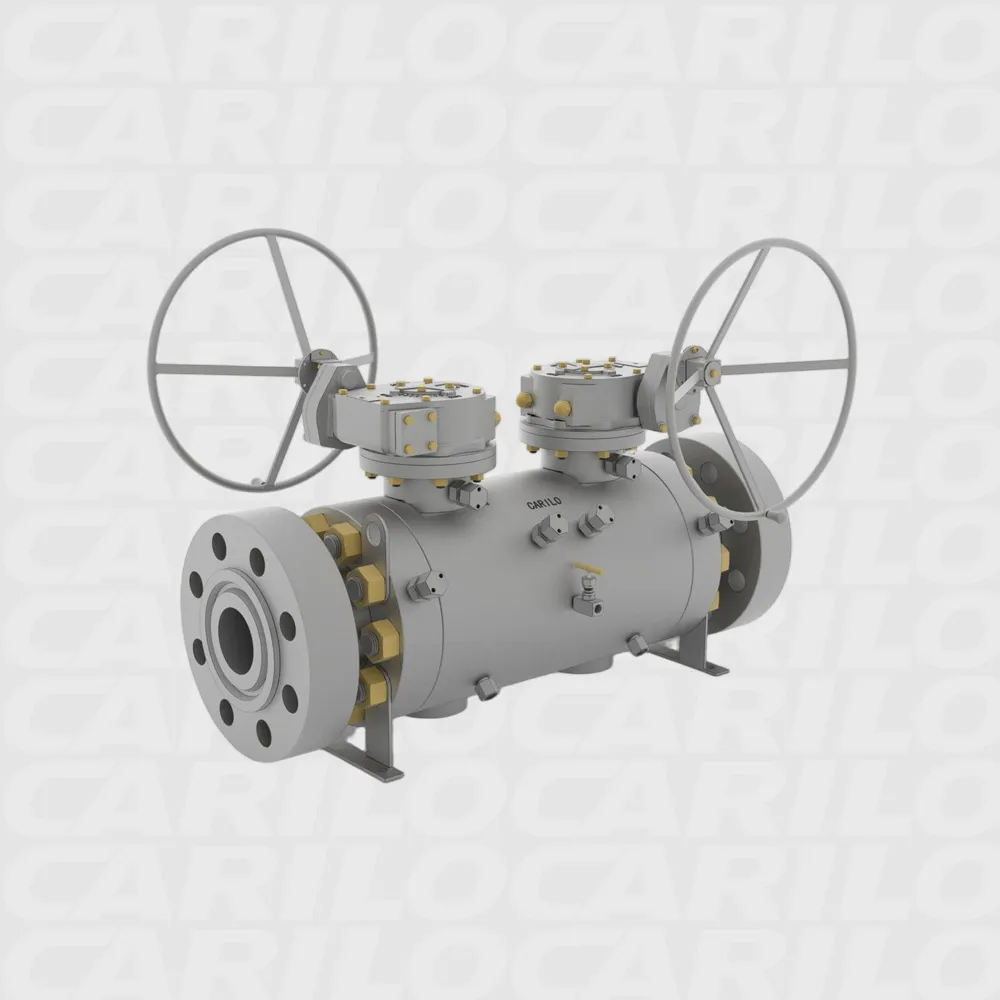
DBB Compact Manifold
Double block and bleed in one compact body for safe instrument isolation.
View detailsStuff Our Engineers Wrote
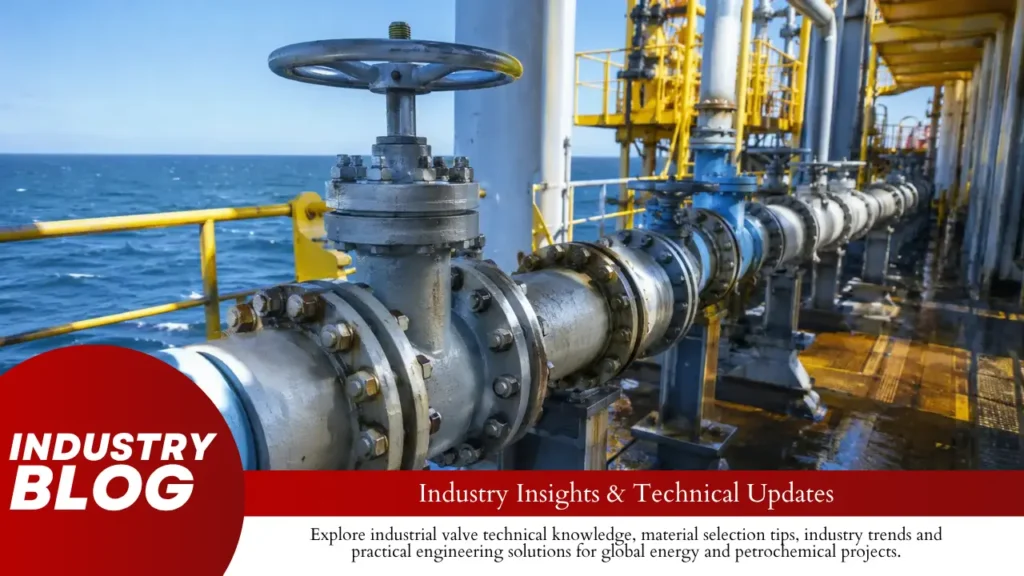
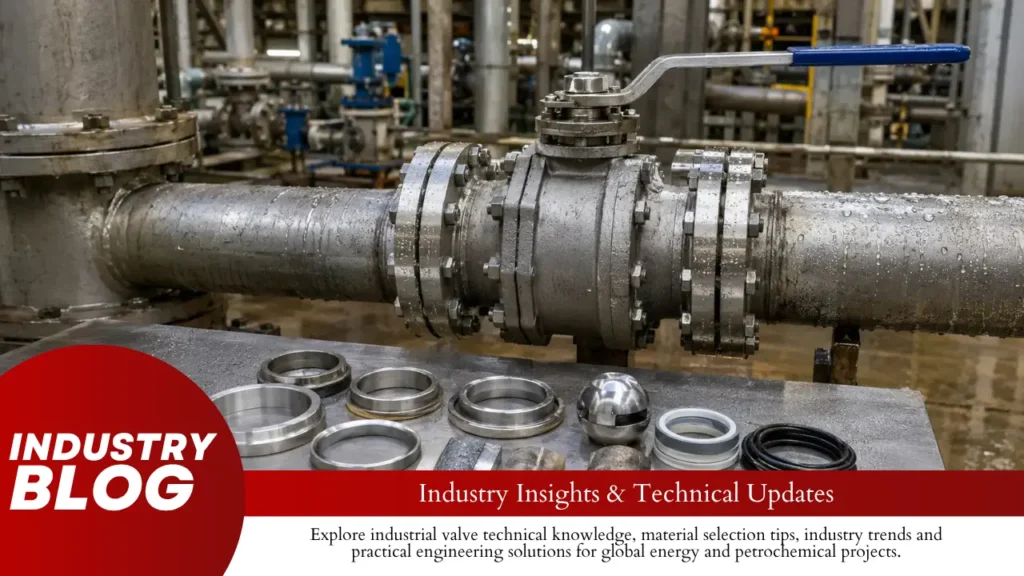
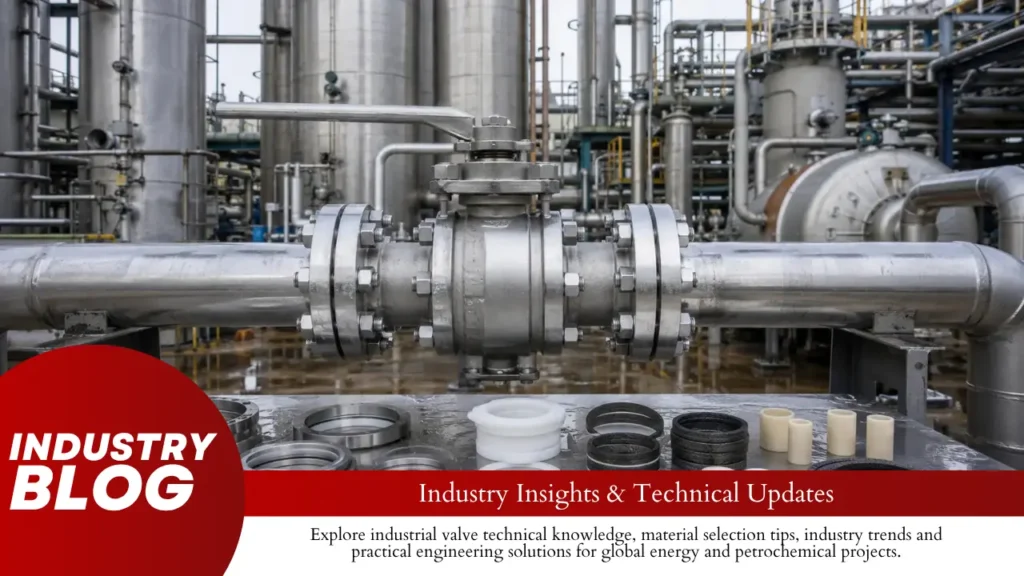
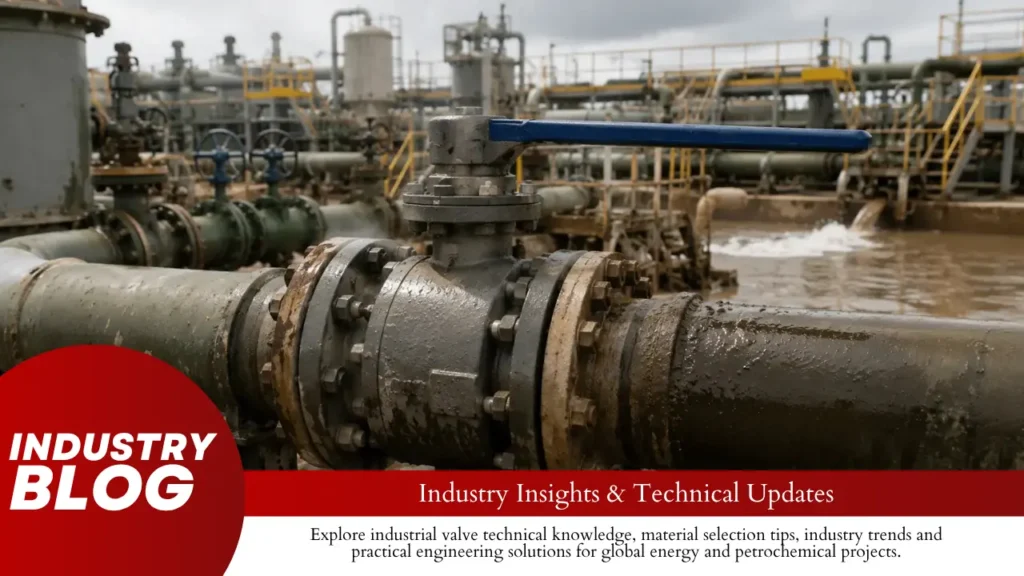
Practical notes on picking valves for hot, corrosive, and erosive service. Written by the guys who build them.
Ball Valve Factory Since 2000
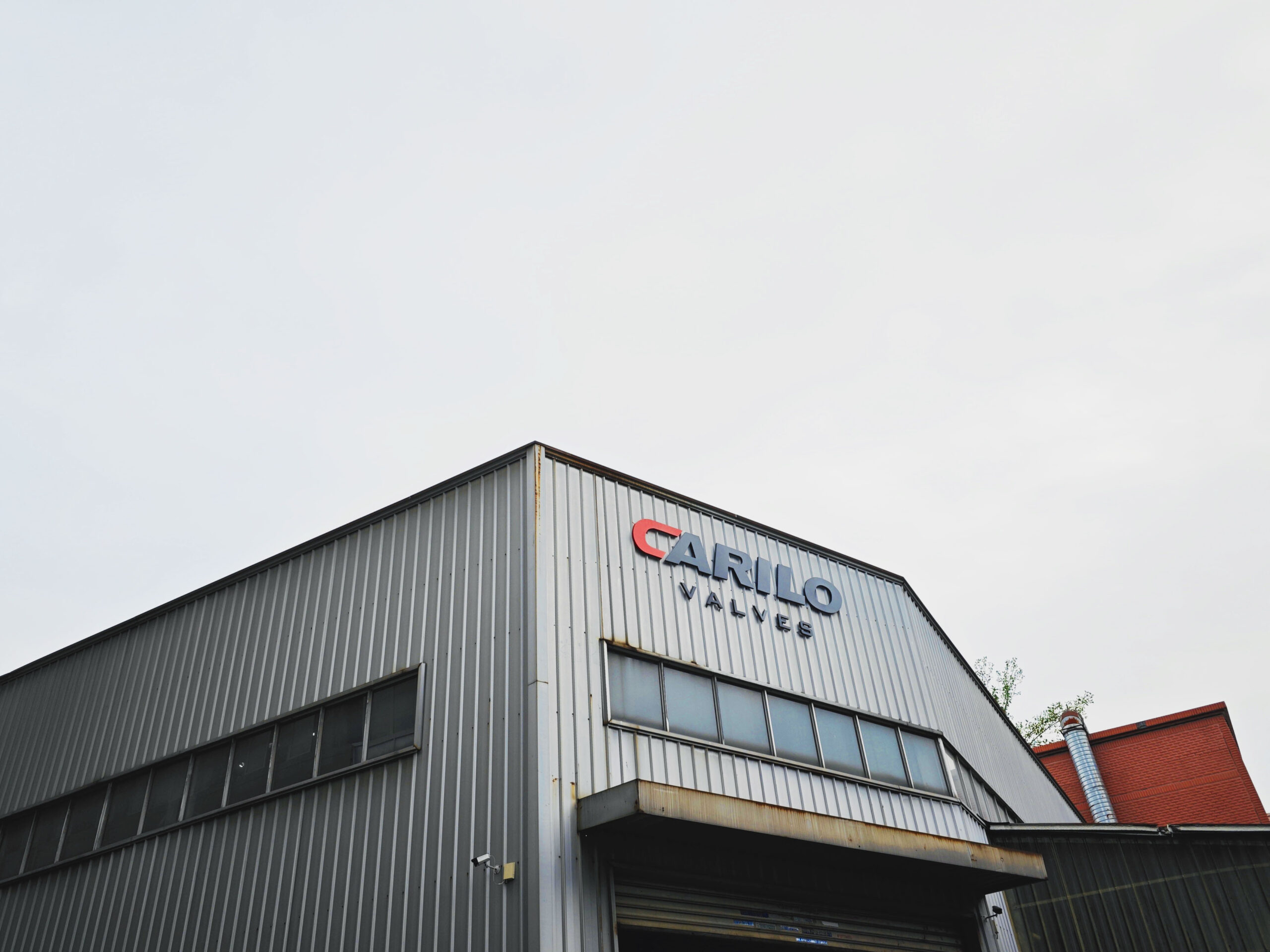
Zhejiang Carilo Valve Co., Ltd. — we've been making industrial ball valves in Wenzhou since 2000, with cast and forged floating, trunnion, cryogenic and DBB valve capabilities. Our products serve oil & gas, petrochemical, refining and power applications, with customers across Southeast Asia, the Middle East, Europe, Central Asia and North America. Want to know more? See how our factory works and how we do long-term partnerships.
Stuff Buyers Actually Ask
What temperature can CARILO cast metal seated ball valves handle?
Our cast series is rated -29°C to 425°C (-20°F to 800°F), depending on the body material and pressure class. Metal seats keep sealing long after soft seats are done — works well in steam, thermal oil and hot process lines.
Should I choose a cast or a forged metal seated valve?
Cast bodies let you do complex internal shapes and big bores up to NPS 60, and they usually run 20-30% cheaper in Class 150-600 duties. Forged is better when you're in extreme high-pressure cycling or small-bore high-pressure classes. Tell us your size, class and how often you cycle, and we'll tell you which way to go.
What seat configurations are available on cast trunnion builds?
Three options from API 6D. Standard is DBB with self-relieving seats — they vent cavity pressure on their own. DIB-1 gives you two fully sealing seats for proper double isolation, with a small body relief valve to handle trapped pressure. DIB-2 mixes one of each, so you get automatic relief plus double isolation in one valve.
Which materials are available for corrosive or sour service?
Standard is ASTM A216 WCB and A351 CF8M. For high-chloride service we do Duplex A890 4A/5A — PREN above 35. NACE MR0175/ISO 15156 compliant builds available for sour gas.
What sizes, classes and operators are available?
NPS 2 to 60 (DN50-DN1500) in Class 150 to 600. Full or reduced bore. Lever, gear, bare shaft, pneumatic, electric, hydraulic — all mount via ISO 5211 flange. Confirm your exact combo when you ask.
How is casting quality verified before shipment?
NDT is not a default inspection on every order. RT and MT can be provided when required by the customer or project specification. Before shipment, every finished valve receives a high-pressure hydrostatic shell test at 1.5 × design pressure and a high-pressure hydrostatic seat test at 1.1 × design pressure. Material certificates and test reports come in the order pack.
Send Us These 6 Things, We'll Get You a Price
The more you fill in, the faster we can lock in the right build and quote.
Want to look around first? See the cast valve program, the forged metal seated range, or read about the CARILO factory.