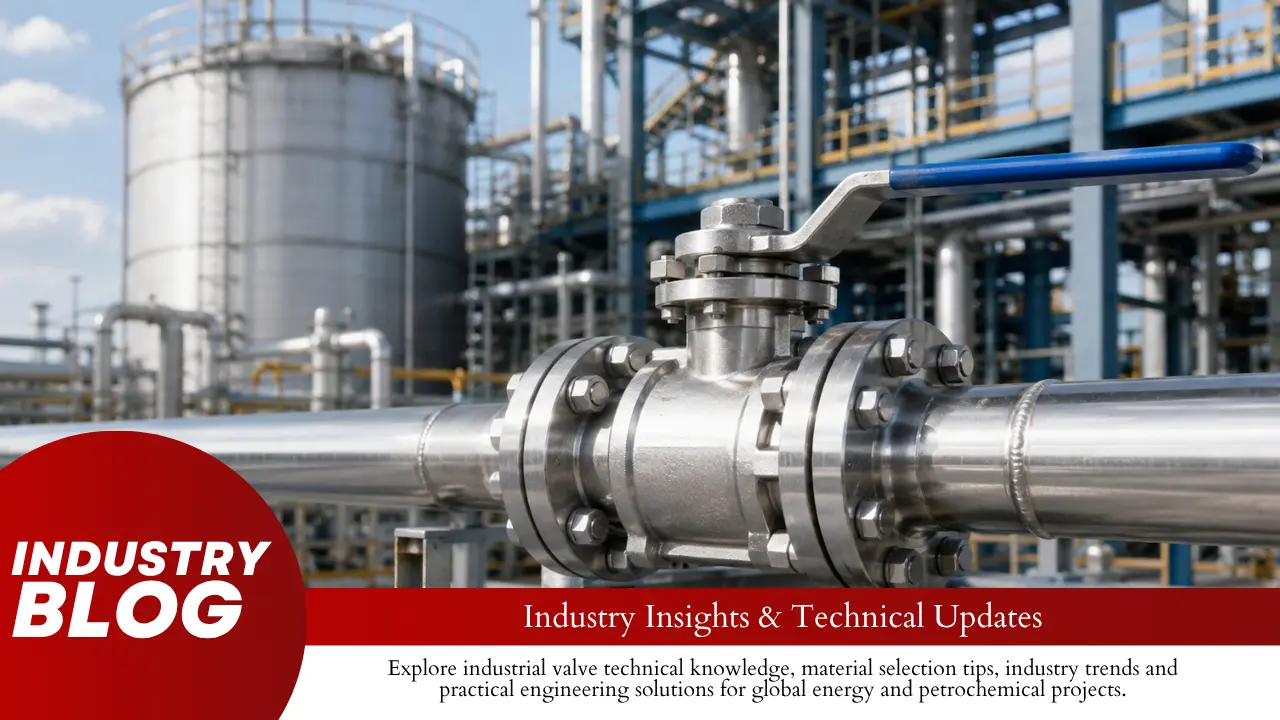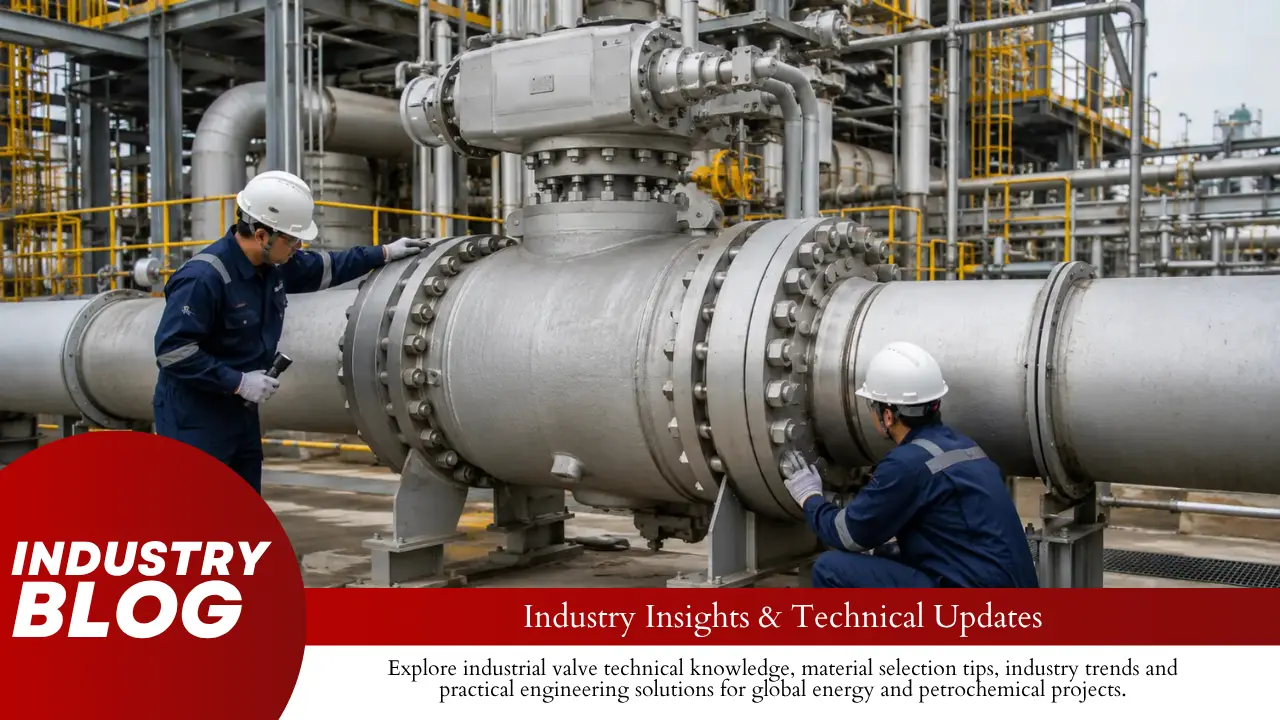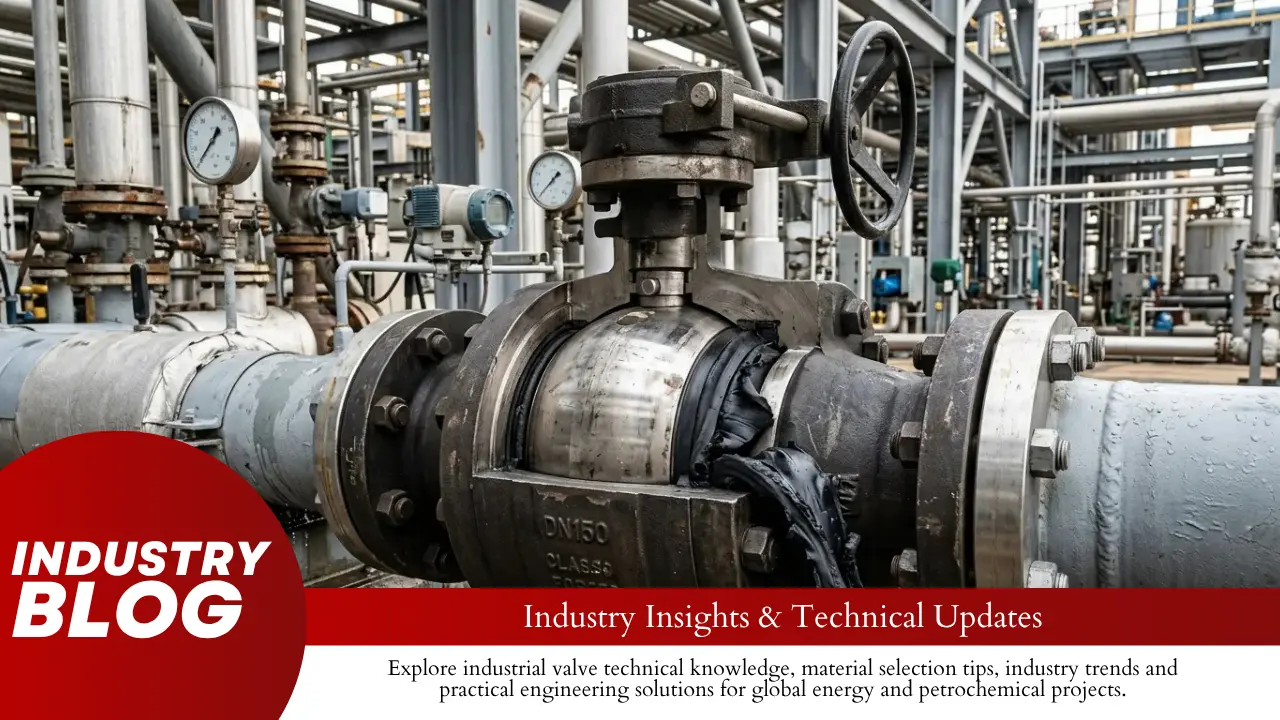
For a 100-valve order, one repeated error in the bore, seat material, nameplate, drain position, or actuator interface can affect all 100 units. Checking the factory, drawings, first completed valve, test records, and final data book before shipment is much cheaper than correcting the same error after delivery.
Before placing the order, confirm these five points:
- The actual manufacturing facility holds the required active API 6D Monogram license.
- The valve design matches the fluid, pressure, temperature, installation, and isolation duty.
- Critical components can be traced to applicable Material Test Reports.
- Inspection, testing, documentation, and deviation rules are written into the purchase order.
- Every finished valve has its own traceable serial-number record.
Verify the API 6D License
“API 6D compliant” and “API 6D Monogrammed” are not the same.
A supplier may state that a valve is designed to API 6D. That is the supplier’s own conformity claim. It does not prove that API has licensed the factory to apply the API Monogram.
The API Monogram is a voluntary licensing program. The mark can be applied only to new conforming products made by the licensed organization at the licensed facility under a quality system that meets API Spec Q1.[1]
| Item | What to check |
|---|---|
| Legal manufacturer | The company name must match the API license. |
| Factory address | The licensed address must match the actual production site. |
| License scope | The license must include the relevant API 6D product scope. |
| License status | The license must be active when the valve is manufactured and marked. |
| API marking | The nameplate and marking must follow the applicable program rules. |
| Subcontracted work | The licensed manufacturer must control outsourced processes and remain responsible for the product. |
Use the API Composite List to check the current license record instead of relying only on a PDF certificate supplied by the seller.[2]
A certificate from a sister company, sales office, trading company, or different factory is not enough. As a practical control, check the license at three stages: during supplier approval, before purchase-order award, and before shipment release.
A valid license also does not prove that the factory has experience with every size, material, or service. For a large, high-pressure, hydrogen, sour-service, fully welded, duplex, or metal-seated order, ask for records from comparable projects.
Useful evidence includes:
- Similar valve size and pressure class
- Similar body and seat design
- Similar body and trim materials
- Similar actuator package
- Similar inspection and testing scope
- Previous Manufacturing Record Books
For a wider supplier review, use the ball valve factory audit guide to check production, material control, test facilities, and document management.
State the Exact Standards
Do not write only “API 6D latest edition” in the RFQ.
API Specification 6D is in its 25th Edition. Addendum 3 was issued on March 5, 2025, with an API Monogram Program effective date of September 5, 2025.[3]
Design, manufacture, inspection, testing, marking, and documentation shall comply with API Specification 6D, 25th Edition, including Addendum 3 and applicable errata.
The order may also refer to:
- ASME B16.34 for pressure-temperature ratings, materials, NDE, testing, and marking
- ASME B16.5 or B16.47 for flanged ends
- ASME B16.10 for face-to-face or end-to-end dimensions
- ASME B16.25 for butt-welding ends
- API 6DX for actuator sizing and mounting where applicable
- API 6FA, API 607, or ISO 10497 for the applicable fire qualification
- API 641 or ISO 15848 for fugitive-emission requirements
- ISO 15156 or another project-approved sour-service standard
- Local pipeline, pressure-equipment, and hazardous-area rules
ASME B16.34:2025 covers pressure-temperature ratings, materials, dimensions, tolerances, nondestructive examination, testing, and marking for the valve types within its scope.[4]
The purchase order should also say which document takes priority when requirements conflict. A practical order is:
- Purchase order and approved amendments
- Project valve specification
- Approved valve data sheet
- Project material, inspection, and testing requirements
- API 6D
- Other referenced standards
- Approved manufacturer drawings and procedures
Freeze the standard editions when the order is placed. A later revision should not change an existing order unless both parties approve its effect on design, price, testing, documents, and delivery.
Send a Complete RFQ
An inquiry such as “20 pieces, 12-inch, Class 600 API 6D ball valves” contains only four basic data points: quantity, size, pressure class, and valve type. A usable project RFQ normally needs more than 20 fields covering the fluid, pressure, temperature, bore, materials, seats, actuator, testing, documents, packing, and delivery.
| Category | Information to provide |
|---|---|
| Quantity | Total quantity and tag breakdown |
| Size | NPS or DN |
| Pressure rating | ASME Class or PN |
| Valve type | Floating or trunnion mounted |
| Body design | Side-entry, top-entry, two-piece, three-piece, or fully welded |
| Bore | Full bore, reduced bore, or stated minimum opening |
| Ends | RF, RTJ, butt weld, or another connection |
| Fluid | Full composition rather than only “gas” or “oil” |
| Pressure | Design, operating, shut-off, and maximum differential pressure |
| Temperature | Normal, design, upset, ambient, and minimum metal temperature |
| Materials | Body, closure, ball, stem, trunnion, seats, bolting, and soft parts |
| Seat function | SPE, DPE, sealing direction, cavity relief, DBB, or DIB |
| Operation | Lever, gearbox, pneumatic, hydraulic, or electric |
| Installation | Aboveground, buried, indoor, offshore, or another environment |
| Inspection | Review, witness, hold points, and third-party involvement |
| Testing | Routine API 6D tests and any project-added tests |
| Documents | Drawings, calculations, MTRs, reports, certificates, and final data book |
| Packing | Export, seaworthy, long-term storage, or project-specific packing |
| Delivery | Required date, destination, and allowed shipment batches |
The buyer should provide the real operating conditions. The supplier should return the proposed design, complete bill of materials, torque data, pressure-temperature rating, qualification records, inspection scope, and a separate deviation list.
Any deviation from the inquiry, data sheet, project specification, or referenced standard shall be listed separately. Requirements not identified as deviations shall be considered accepted.
The custom API 6D ball valve RFQ guide provides a practical list of the information needed for an accurate quotation.
Choose the Correct Valve Design
| Design choice | Main decision points |
|---|---|
| Floating or trunnion | Size, pressure difference, seat load, torque, cycling, automation, and isolation duty |
| Full or reduced bore | Pigging, flow restriction, pipe inside diameter, weight, torque, and cost |
| Split or fully welded body | Leak paths, repair access, buried service, coating, and replacement strategy |
| Soft or metal seat | Leakage, temperature, particles, erosion, cycling, and torque |
| SPE or DPE seats | Isolation direction, cavity relief, thermal expansion, and maintenance safety |
Floating and trunnion designs. In a floating valve, line pressure pushes the ball against the downstream seat. In a trunnion valve, the ball is mechanically supported and spring-loaded seats move toward it. Trunnion valves are commonly used when the bore, pressure difference, operating torque, automation, or DBB/DIB duty becomes more demanding.
Do not select by nominal size alone. Ask for:
- Break-to-open torque
- Running torque
- End-to-close torque
- Torque at maximum differential pressure
- Torque at the minimum specified temperature
- Maximum allowable stem torque
See the floating versus trunnion ball valve comparison or review available trunnion-mounted ball valve configurations.
Full and reduced bore. A full-bore or otherwise verified piggable valve is normally needed where cleaning pigs or inline inspection tools must pass through the pipeline. “Full bore” alone does not prove that the tool can pass.
State:
- Pipe outside diameter and wall thickness
- Actual pipe inside diameter
- Pig or inspection-tool type
- Minimum permitted valve bore
- Bore tolerance
- Maximum internal step or projection
A reduced bore can lower weight, torque, and cost, but it adds flow restriction and may block pig passage. The full-bore ball valve guide explains the main pigging checks.
Split and fully welded bodies. A split-body valve normally offers better access for major internal repair. A fully welded body removes the main bolted body joint but is more difficult to dismantle in the field.
For buried valves, specify:
- Stem-extension length
- Drain and vent extensions
- Sealant-line extensions
- Water protection
- Coating system
- Cathodic-protection connection
- Gearbox protection
- Ground-level access
Seat function. Do not accept only “soft seated,” “metal seated,” or “double block and bleed.” The sectional drawing should show the upstream seat, downstream seat, cavity, pressure direction, springs, relief direction, drain, vent, and emergency sealant path.
| Seat type | Basic function | Main risk to check |
|---|---|---|
| SPE | Can normally relieve excess cavity pressure toward the adjacent pipeline side | Confirm the relief direction and required pressure difference |
| DPE | Can be pressure energized from either side of the seat | May trap cavity pressure if no separate relief path is provided |
DBB and DIB describe different isolation functions. Define which pressure source must be isolated, which seats must seal, the test direction, whether the cavity must be vented, and the permitted leakage. The DBB and DIB guide explains the basic difference.
Cavity pressure relief. A closed valve can trap liquid in its body cavity. Temperature rise can then cause a large pressure increase. API 6D Addendum 3 states that where liquid trapping is possible, automatic cavity relief is required. For temperatures up to 121°C, the relief pressure must not exceed 33% differential pressure above the valve pressure rating.[5]
Pressure-temperature rating. A Class 600 valve does not carry the same allowable pressure at every temperature. Check the body material, bolting, ends, seats, O-rings, packing, and gaskets together. The soft parts may set a lower limit than the metal body.
Specify Materials and Trim
Do not approve materials from a general catalog without checking the fluid and temperature.
| Service | Possible body material |
|---|---|
| General carbon-steel service | ASTM A105 or ASTM A216 WCB |
| Low-temperature service | ASTM A350 LF2 or ASTM A352 LCC |
| Stainless service | ASTM A182 F316/F316L or ASTM A351 CF8M |
| Duplex service | ASTM A182 F51 or a separately approved cast grade |
| Super-duplex service | ASTM A182 F53/F55 or a separately approved cast grade |
| Highly corrosive service | Solid CRA, nickel alloy, or corrosion-resistant overlay |
These are examples, not automatic selections.
ASTM A105/A105M covers forged carbon-steel piping components, including valves and similar parts used in pressure systems.[6] ASTM A216/A216M covers carbon-steel castings for valves and other pressure-containing parts.[7] ASTM A351/A351M covers austenitic steel castings for pressure-containing parts.[8]
A forged grade and a cast grade are not automatically interchangeable. Check:
- Product form
- Chemical composition
- Heat treatment
- Mechanical properties
- Impact toughness
- NDE requirements
- Welding and repair rules
- Pressure-temperature rating
For a practical comparison, review the carbon steel, stainless steel, and duplex ball valve guide.
“Stainless steel trim” is also too vague. Define each critical part:
| Part | Required detail |
|---|---|
| Ball | Base material, overlay, or coating |
| Stem | Material, product form, heat treatment, and hardness |
| Trunnion | Material and heat treatment |
| Seat ring | Base material |
| Seat insert | Exact polymer grade and filler |
| O-rings | Exact compound and batch |
| Packing | Material and qualification basis |
| Bolting | Grade, coating, and service limits |
| Hard-facing | Material, method, thickness, and hardness |
| Overlay | Alloy, finished thickness, chemistry, and NDE |
Do not select a seat or O-ring from its maximum catalog temperature alone. Check pressure at temperature, chemical compatibility, particle content, rapid gas decompression, extrusion, wear, operating cycles, storage conditions, and expected life.
Handle Sour and Hydrogen Service
Sour service. “NACE valve” is not a complete requirement. Provide the actual H₂S concentration, total pressure, H₂S partial pressure where applicable, water phase, chloride content, pH, temperature, hardness limits, and governing standard.
ISO 15156 gives requirements for selecting and qualifying metallic materials in H₂S-containing oil and gas production environments. It supplements rather than replaces the applicable design code.[9]
Review the body, closure, ball, stem, trunnion, seat rings, bolting, springs, welds, overlay, and heat-affected zones. A general sour-service statement is not enough; request a part-by-part compliance schedule.
| Part | Evidence to request |
|---|---|
| Body and closure | MTR, heat treatment, hardness, and impact testing where required |
| Stem and trunnion | MTR, final hardness, heat-treatment condition, and PMI |
| Weld and HAZ | WPS, PQR, weld map, and hardness survey |
| CRA overlay | Chemistry, finished thickness, hardness, and NDE |
Hydrogen service. API 6D Addendum 2 added provisions for hydrogen gas service and became effective for the API Monogram Program on March 5, 2025.[10]
Provide:
- Hydrogen concentration and complete gas composition
- Normal, maximum, and minimum pressure
- Maximum differential pressure
- Pressure-cycle frequency
- Temperature range
- Internal and external leakage limits
- Required operating life
- Material and seal restrictions
- Required gas, cycle, or low-temperature testing
Do not assume that a standard natural-gas valve is suitable for hydrogen. Review metal strength and hardness, welds, stress concentration, seal permeability, rapid gas decompression, packing, cavity relief, and actuator torque.
The hydrogen ball valve guide explains the main material, seal, pressure, and cycle checks.
Build Full MTR Traceability
An MTR is useful only when it can be linked to the component installed in a particular valve.
Valve serial number → component number → heat or lot number → applicable material certificate
| Valve serial | Component | Material | Heat number | Certificate |
|---|---|---|---|---|
| BV600-001 | Body | ASTM A105 | H2406157 | MTR-2406157 |
| BV600-001 | Closure | ASTM A105 | H2406182 | MTR-2406182 |
| BV600-001 | Ball | ASTM A182 F316 | H2406044 | MTR-2406044 |
| BV600-001 | Stem | ASTM A564 Type 630 | H2405221 | MTR-2405221 |
| BV600-001 | Bolting | ASTM A193 B7M | H2405016 | MTR-2405016 |
This table shows the traceability format only. It is not a recommended material combination for every service.
A trunnion-mounted valve may need separate traceability for 8 to 12 critical metallic items, depending on the design and purchase specification. If a 100-valve order tracks 10 metallic items per valve, the traceability matrix contains about 1,000 valve-to-component entries before soft-seal batches, actuator records, and test documents are added.
Heat-number traceability is commonly required for:
- Body and closure
- End connectors
- Ball
- Stem and trunnion
- Seat rings
- Pressure-retaining bolting
- Welded transition pieces
- Pressure-containing weld material
- Corrosion-resistant overlay
Seat inserts, O-rings, packing, gaskets, coatings, and lubricants are normally controlled by batch or lot number.
BS EN 10204 defines inspection-document types for metallic products and covers validation and transmission of inspection documents, including transmission through an intermediary.[11]
If the order requires EN 10204 Type 3.1 or 3.2 documentation, state it clearly. Do not assume that a supplier’s standard certificate is automatically equivalent.
Check MTRs, Marking, PMI, and NDE
MTR review. Do not approve a certificate only because the expected material grade appears at the top.
Check:
- Manufacturer name
- Specification and grade
- Product form
- Heat number
- Chemical composition
- Tensile and yield strength
- Elongation
- Hardness
- Impact-test temperature and result
- Heat-treatment condition
- Supplementary requirements
- Signature or validation
- Link to the physical component
The certificate must match the supplied product form. A bar certificate is not a complete certificate for a finished forging unless the ordered manufacturing route and final tests allow it.
Review the full chain:
- Steelmaker certificate
- Forging or casting certificate
- Heat-treatment record
- Mechanical-test report
- Final component certificate
Investigate missing heat numbers, unexplained edits, copied test results, inconsistent company names, impossible dates, handwritten grade changes, or certificates issued by an intermediary without a clear link to the original material.
Identification control. Heat-number identity can be lost during cutting and machining. The factory should control incoming inspection, segregation, marking transfer, machining travelers, heat-treatment batches, assembly records, and the final traceability matrix.
The marking-transfer procedure should say who can transfer a heat number, how the original number is checked, which marking method is allowed, and how small components are controlled.
PMI. Positive Material Identification helps find alloy mix-ups, but it does not replace the MTR. PMI does not prove tensile strength, impact toughness, heat treatment, or product form.
State the PMI scope. A project may require 100% PMI of alloy pressure-containing parts and wetted alloy trim while using random checks for selected carbon-steel components. The exact percentage should be written into the purchase order and ITP.
- Alloy pressure-containing parts
- Wetted alloy trim
- Selected carbon-steel components
- Overlay before and after final machining
- Weld deposits
Handheld XRF is useful for many alloying elements but may not reliably measure carbon. Use OES or another suitable method when carbon or other light elements are important.
NDE. The purchase requirement should identify the component, method, percentage, area, timing, procedure, acceptance criteria, personnel qualification, repair rules, and re-examination.
Possible methods include visual testing, PT, MT, UT, and RT. Castings, forgings, welds, overlay, and sealing surfaces may need different methods and acceptance criteria.
Approve the ITP and First Article
Approve the Inspection and Test Plan before production begins.
| Stage | Main record |
|---|---|
| Material receipt | Incoming inspection and certificate review |
| Identification | Heat-number transfer record |
| Heat treatment | Furnace chart and batch list |
| PMI and hardness | Test reports linked to components |
| Welding | WPS, PQR, qualifications, and weld map |
| NDE | Applicable examination reports |
| Machining | Dimensional report |
| Assembly | Assembly traveler |
| Pressure testing | Serial-numbered test report |
| Coating | Surface-preparation and coating report |
| Final release | Inspection release and packing record |
Define Review, Surveillance, Witness, and Hold points in the purchase order. A Hold point stops production until release. A Witness point normally allows work to continue after the agreed notice period if the inspector does not attend.
For a 100-valve order, inspect one representative completed valve before releasing the remaining 99 units into full production. This can prevent the same wrong bore, seat material, nameplate, drain position, or actuator mounting error from being repeated across the whole order.
Check the first article against the approved drawing, data sheet, bill of materials, test procedure, and nameplate drawing. Review:
- Dimensions and bore
- End connections
- Seat arrangement and cavity relief
- Material markings
- Drain and vent locations
- Stem and actuator mounting
- Coating and marking
- Test and document format
If the first valve has a wrong bore, seat insert, vent location, or marking, check whether the same error affects parts already in production.
Test Every Valve and Run FAT
Every production valve should complete the routine tests required by API 6D and the purchase specification. Special gas, cryogenic, fugitive-emission, torque, or cycle tests apply only when required by the design or project.
| Test group | Purpose |
|---|---|
| Routine production tests | Tests required on each production valve |
| Design qualification tests | Tests of a representative design, such as fire or fugitive-emission qualification |
| Project-added tests | Extra tests required by the service, owner, or local rules |
Possible production tests include:
- Shell hydrostatic test
- Seat test in the required directions
- Low-pressure gas seat test
- Functional operation
- Drain and vent check
- Antistatic continuity
- Operating-torque measurement
- Actuator functional test
- Project-required high-pressure gas or cryogenic tests
The approved procedure should state the valve position, test medium, pressure, stabilization time, holding time, leakage method, acceptance criteria, gauge range, gauge accuracy, and test sequence.
Each report should identify:
- Valve serial and tag number
- Size and pressure class
- Test pressure and holding time
- Measured leakage or acceptance result
- Test date
- Test equipment and calibration reference
- Inspector and witness
The document-control target should be 100% matching between the valve nameplate, pressure-test report, MTR traceability matrix, actuator record, final drawing, and packing list. One generic test certificate for the whole order does not provide this control.
If a valve fails, record the failure, cause, repair, replaced parts, new traceability, retest scope, and final result. A repaired valve should not return to production without a controlled disposition.
Use the API 6D valve testing guide for common test categories and the FAT witness checklist when preparing the inspection visit.
Verify Fire and Fugitive-Emission Qualification
A fire-safe certificate normally shows that a representative valve design passed a type test. It does not mean every production valve was burned during testing.
API 6FA, API 607, ISO 10497, and API 6FB have different scopes. API 6FA covers fire testing for API 6A and API 6D valves, while API 6FB concerns end connectors.[12] API 607 applies to fire testing of quarter-turn valves and valves fitted with nonmetallic seats.[13]
ISO 10497:2022 covers fire type testing of soft- and metal-seated isolation valves. It assesses through-seat leakage, external leakage, cavity-pressure relief, and operability.[14]
Compare the qualification with the offered valve:
- Qualification holder and manufacturer
- Valve and body design
- Seat and stem-seal design
- Soft parts and gaskets
- Materials
- Size and pressure rating
- Test standard and report number
- Permitted qualification extension
A floating-valve report does not automatically qualify a trunnion valve. A report using one seat or packing arrangement may not cover a different production design.
See the API 607 and API 6FA comparison for practical report-review points.
Fugitive-emission testing concerns external leakage through the stem seals, body joints, gland, and other external seals. It is separate from the internal seat-leakage test.
ISO 15848-1 covers classification and type-qualification procedures for external leakage from valve stem seals and body joints.[15] ISO 15848-2 covers production acceptance testing where fugitive-emission requirements apply.[16]
State whether the project requires:
- Complete-valve type qualification
- Production acceptance testing
- A leakage class
- A temperature or endurance class
- A test gas
- A sampling plan or 100% testing
A packing-material qualification does not automatically qualify the complete valve.
Size the Actuator and Protect the Drive Train
Actuator selection should use the valve manufacturer’s torque data, the real service conditions, and the available power supply.
Request:
- Break-to-open torque
- Running torque
- End-to-close torque
- Maximum differential-pressure torque
- Minimum-temperature torque
- Applied safety factor
- Gearbox efficiency
- Minimum and maximum power supply
- Actuator output through the full stroke
- Maximum allowable stem torque
For pneumatic and hydraulic actuators, verify that the valve can move at the minimum available supply pressure. Also check the maximum transmitted torque at the highest available supply pressure.
The maximum torque reaching the stem must remain below the safe limit of the stem, key, coupling, gearbox, bracket, fasteners, stops, and ball-to-stem connection.
Also specify:
- Fail-open, fail-close, or fail-in-place
- Spring-return or double-acting design
- Operating time
- Solenoid voltage
- Limit switches and position feedback
- Partial-stroke testing where required
- Hazardous-area certification
- Enclosure and ambient-temperature rating
- Manual override
A larger actuator is not always safer. Too much output can damage the valve drive train.
Control Bulk Production and Changes
Divide a large order into identifiable production lots by size, pressure class, body material, body design, heat-treatment batch, seat arrangement, actuator type, coating system, and delivery batch.
Track each lot through:
- Material purchase and approval
- Machining
- Welding or overlay
- NDE
- Assembly
- Testing
- Coating
- Document review
- Packing
Weekly reports should show actual quantities rather than only a percentage.
| Stage | Planned | Completed | Rejected | Pending |
|---|---|---|---|---|
| Material received | 100 | 100 | 0 | 0 |
| Machining complete | 100 | 62 | 2 | 36 |
| Assembly complete | 100 | 41 | 1 | 58 |
| Pressure tested | 100 | 30 | 2 | 68 |
| Packed | 100 | 12 | 0 | 88 |
The figures above are an example only. They show why “70% complete” is not enough information. In this example, all 100 material sets have arrived, but only 30 valves have completed pressure testing and only 12 have been packed.
A useful report should also show drawing approval, MTR status, actuator delivery, open technical questions, nonconformances, rework, data-book progress, and forecast shipment date.
Use a formal deviation request for any material, seal, coating, subsupplier, factory, drawing, dimension, test, or delivery change.
The request should state:
- Original requirement
- Proposed change
- Reason
- Effect on performance and qualification
- Effect on inspection and documents
- Effect on delivery and price
- Supporting evidence
- Required buyer approval
An unanswered technical question is not automatic approval.
Build the Data Book and Release Shipment
Define the Manufacturing Record Book before production starts.
A complete bulk-order data book may contain more than 20 document categories, including:
- Approved document index
- Purchase order and data sheets
- Approved drawings and final bill of materials
- API license evidence and certificate of conformity
- Material certificates and traceability matrix
- Heat-treatment, mechanical, impact, and hardness reports
- PMI and NDE reports
- Welding and overlay records
- Dimensional and pressure-test reports
- Torque and actuator records
- Fire and fugitive-emission qualifications
- Coating and calibration reports
- Nonconformance reports and approved concessions
- Final inspection and packing records
| Record type | Examples |
|---|---|
| Shared records | Approved procedures, personnel qualifications, type-test reports, and shared batch records |
| Individual valve records | Serial-numbered pressure tests, dimensions, traceability, torque, actuator serial number, and nameplate photograph |
For 100 valves, separate pressure-test reports, dimensional records, actuator records, nameplate photographs, and packing records can quickly create several hundred serial-numbered files. A searchable index is therefore essential.
The final electronic data book should be searchable, indexed, revision controlled, and free of open comments. Every record should identify the applicable valve or production lot.
The valve data book guide provides a practical document index and handover method.
Before shipment, compare the physical valve and its records together.
| Physical check | Document check |
|---|---|
| Quantity, tag, serial number, size, and class | Tag and serial numbers match all records |
| Bore and end connection | Final drawing and data sheet match |
| Gearbox, actuator, drain, vent, and extension | Actuator and accessory records are complete |
| Nameplate, API marking, and coating | MTR, NDE, test, and coating records are approved |
| Clean bore, dry cavity, and protected ends | Nonconformances and deviations are closed |
| Packing and preservation | Packing list and data-book index are complete |
The shipment-release list should show 100% completion for required serial-number matches, pressure-test reports, approved deviations, closed nonconformances, and packing records. A valve with one missing required record should remain open until the gap is resolved.
Use three release gates: physical release, document release, and commercial/logistics release. Do not ship because the valves are ready while the required records remain incomplete.
Large valves should be supported by the body during transport, not by the actuator, stem extension, drain pipe, or vent pipe. State the transport method, storage period, moisture protection, lifting points, stacking limits, and preservation-renewal interval.
Compare Equal Scope, Not Just Unit Price
The lowest unit price may exclude important work.
Main cost drivers include:
- Forged or cast construction
- Split or fully welded body
- Full or reduced bore
- Pressure class
- Low-temperature or alloy materials
- Overlay and hard-facing
- Special seats and seals
- Sour or hydrogen requirements
- NDE, PMI, impact, gas, or cryogenic testing
- Fire and fugitive-emission qualification
- Third-party inspection
- Actuation and accessories
- Coating, packing, and final documentation
A cheaper quotation may have removed impact testing, alloy trim, gas testing, actuator accessories, full traceability, third-party inspection, or final data-book work. These are scope differences, not true savings.
For example, Supplier A may quote USD 4,800 per valve while Supplier B quotes USD 5,200. The USD 400 unit difference becomes USD 40,000 on a 100-valve order. It is not a real saving if Supplier A excludes required gas testing, third-party inspection, actuator accessories, export packing, or the final data book.
Use a technical bid evaluation and classify each requirement as:
- Compliant
- Compliant with clarification
- Compliant with an approved deviation
- Not compliant
- Information missing
Complete the commercial comparison only after all bidders are compared on the same technical scope.
Use This RFQ Clause
Supply API 6D Monogrammed trunnion-mounted ball valves manufactured at an active API 6D licensed facility. Valves shall comply with API Specification 6D, 25th Edition, including Addendum 3 and applicable errata.
The manufacturer shall identify the body design, minimum bore, seat arrangement, sealing direction, cavity-relief method, and required DBB or DIB function on the sectional drawing.
The manufacturer shall confirm the pressure-temperature rating of the complete valve, including the body, ends, bolting, seats, O-rings, packing, and gaskets.
Full heat-number traceability is required for the body, closure, end connectors, ball, stem, trunnion, seat rings, and pressure-retaining bolting. Batch traceability is required for soft seals and packing.
Submit applicable material certificates, a valve-by-valve traceability matrix, approved drawings, final bill of materials, ITP, test procedures, NDE and PMI procedures, qualification reports, coating procedure, packing procedure, and final Manufacturing Record Book.
The actuator shall be sized from the valve manufacturer’s torque data at maximum differential pressure and minimum available power supply. Maximum transmitted torque shall remain below the allowable limits of the stem and drive train.
No material, design, seal, coating, manufacturing-location, or subsupplier change is permitted without written approval. All deviations shall be listed separately.
Shipment is subject to physical inspection, closure of nonconformances, and approval of the required documentation.
Final Checklist
- Active API 6D license for the actual factory
- Exact standard editions and document priority
- Complete fluid, pressure, temperature, and installation data
- Approved body, bore, seat, and cavity-relief design
- Correct material grades and product forms
- Defined soft-seat and elastomer compounds
- Defined sour or hydrogen requirements
- Valve-by-valve MTR traceability
- Approved ITP, NDE, and PMI scope
- First-article inspection for bulk orders
- Serial-numbered production test reports
- Applicable fire and fugitive-emission qualification
- Approved actuator sizing and maximum allowable torque
- Controlled deviations and closed nonconformances
- Complete searchable Manufacturing Record Book
- 100% serial-number and required-document matching before shipment
- Physical, document, and shipment release completed
Conclusion
Before award, verify the factory in the API Composite List, freeze API 6D 25th Edition with Addendum 3, and define which metal parts need heat-number traceability. A 100-valve order with 10 traced metal parts can create about 1,000 traceability entries, plus hundreds of test, actuator, inspection, and packing records. Inspect the first representative valve before releasing the other 99 units, and require 100% matching between every nameplate, MTR matrix, pressure-test report, actuator record, drawing, and packing list. These controls cost far less than correcting a repeated design, material, or documentation error after the valves reach the site.