
- Blog
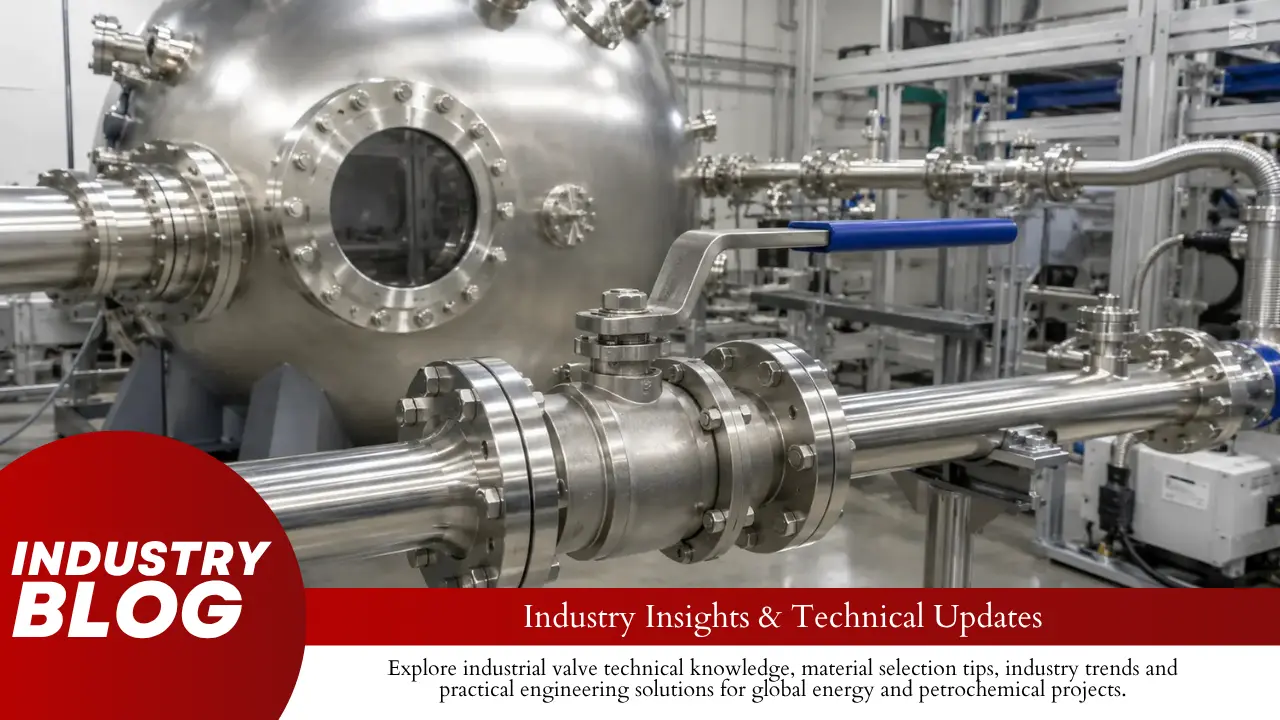
Yes, ball valves can be used in vacuum service, but a normal pressure rating does not prove that a valve...

A thermal-oil ball valve should be selected from the maximum continuous temperature, pressure at that temperature, shutoff differential pressure, oil...
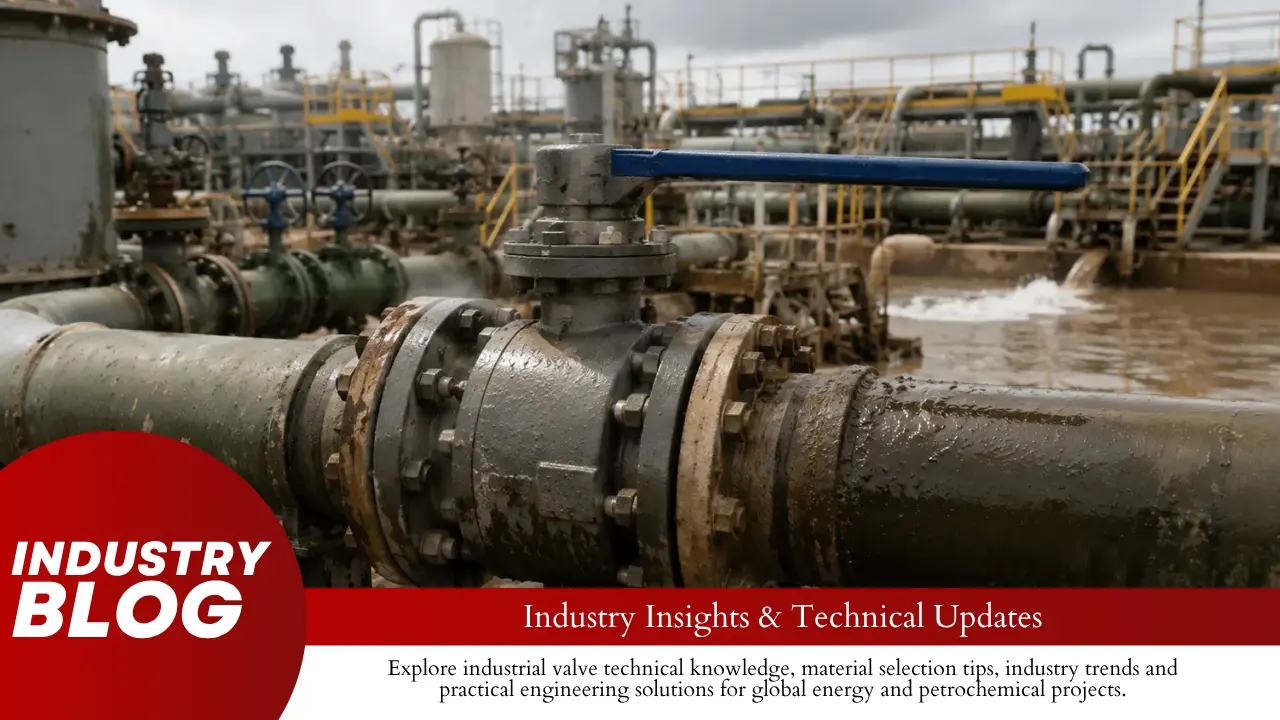
A produced-water ball valve should be selected from five facts: water chemistry, sand and scale, pressure and temperature, operating method,...
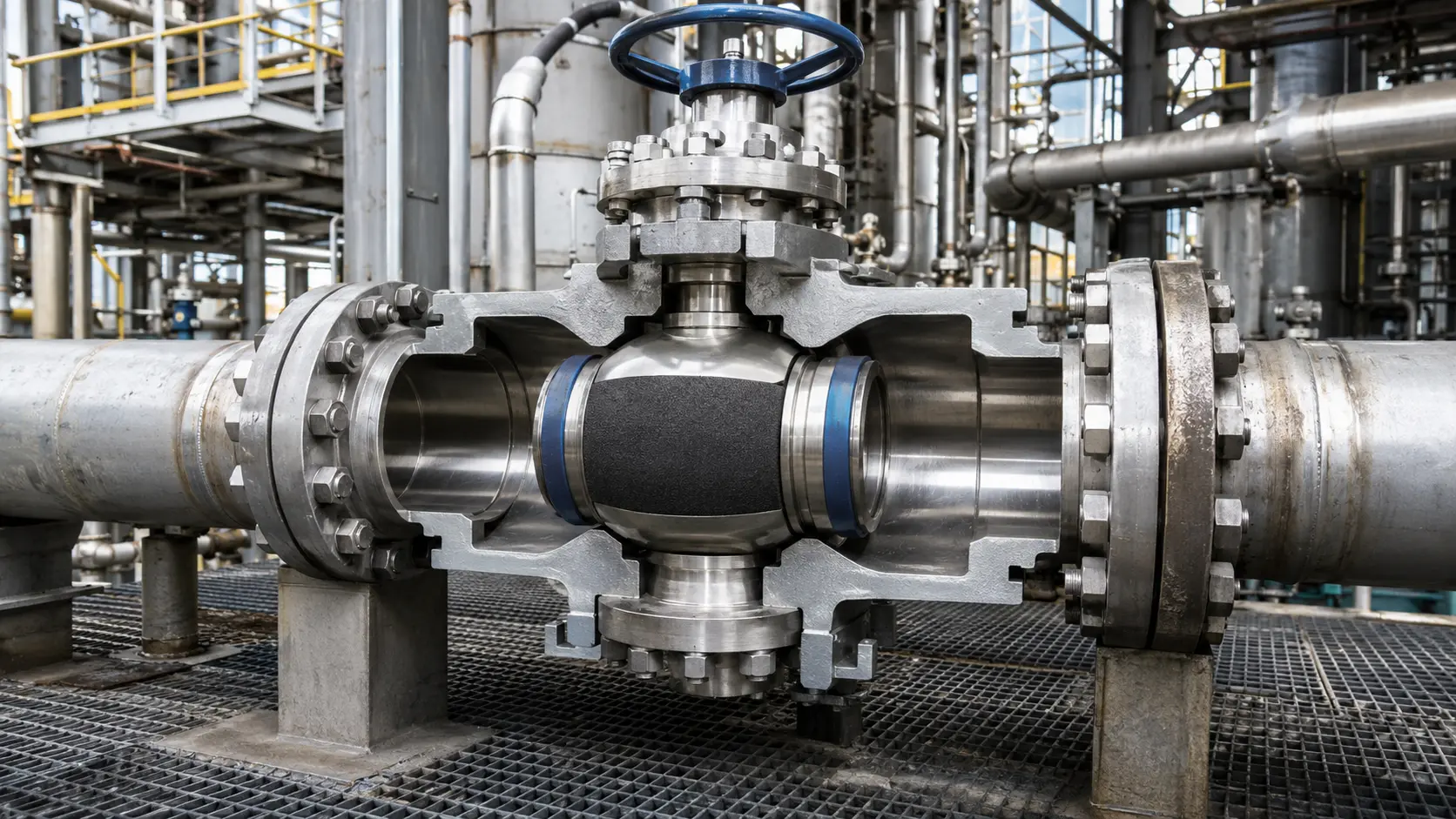
Short answer: A full-bore ball valve is truly piggable only when the exact pig can pass through the finished valve,...
Select the ball valve pressure class by checking every real design pressure and metal-temperature pair against the correct ASME B16.34...
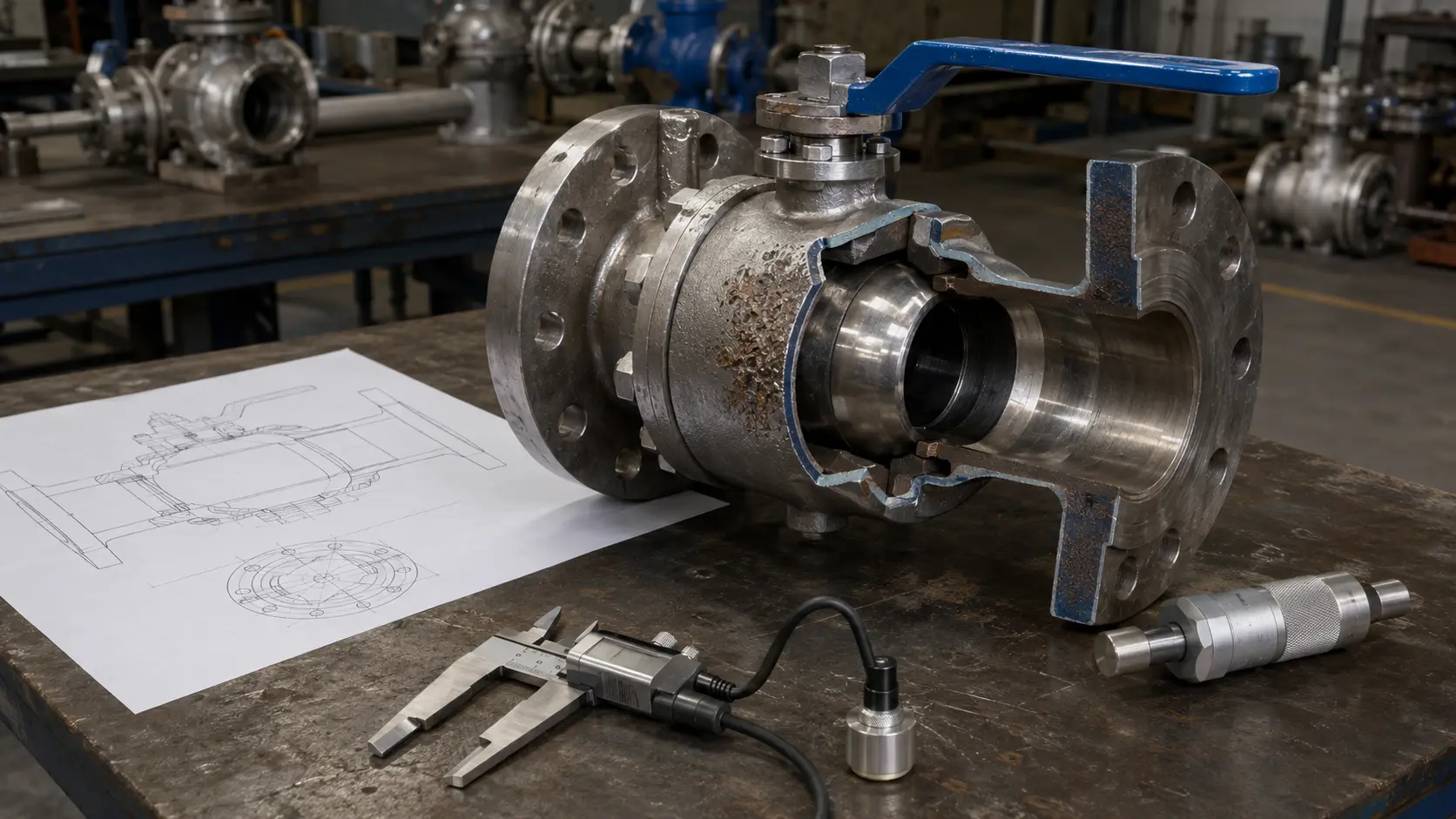
To verify ball valve wall thickness, calculate the minimum required wall at each critical location, include the specified corrosion allowance,...
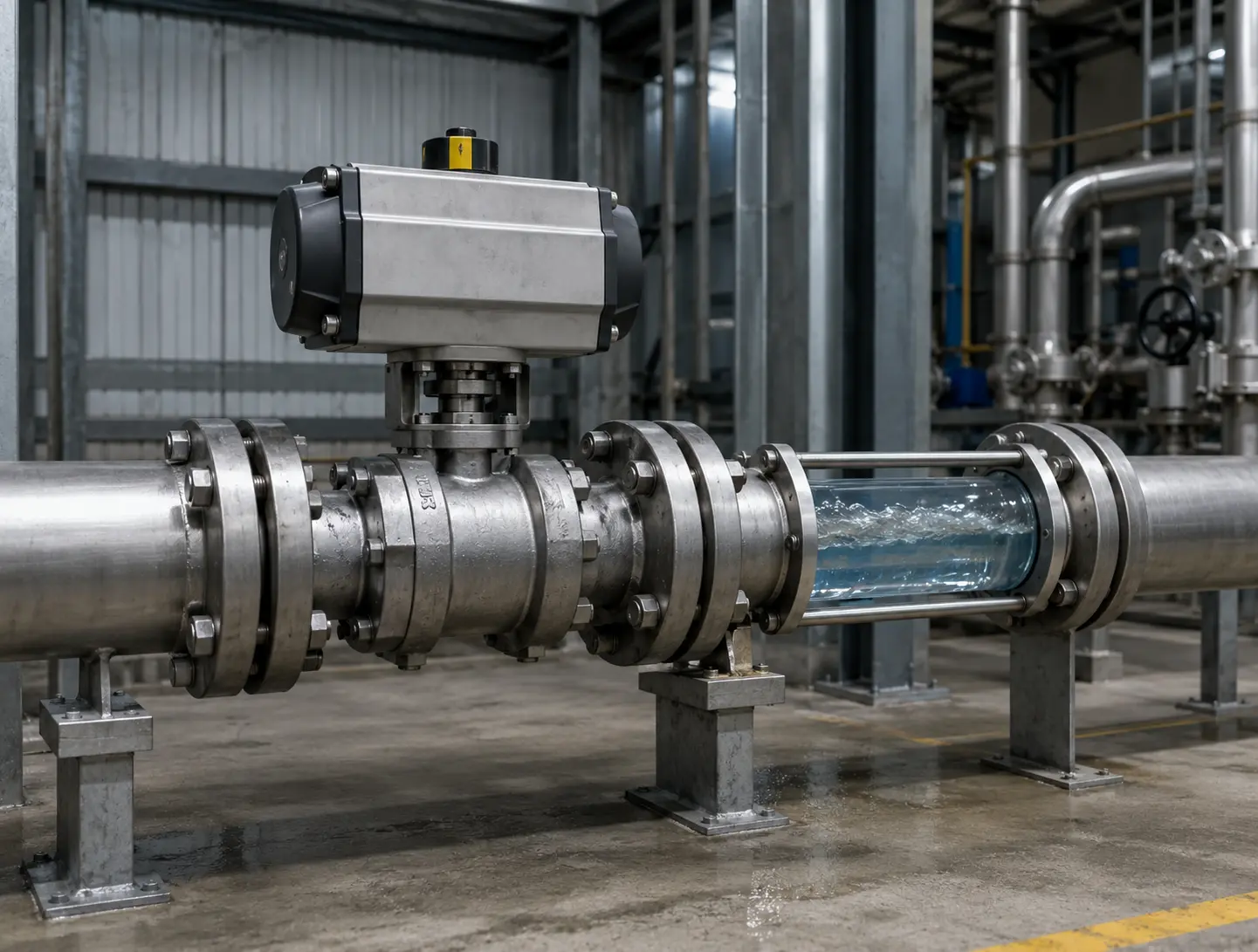
Short answer: first confirm that fluid is really passing through the valve. Then check whether the valve stem and ball...
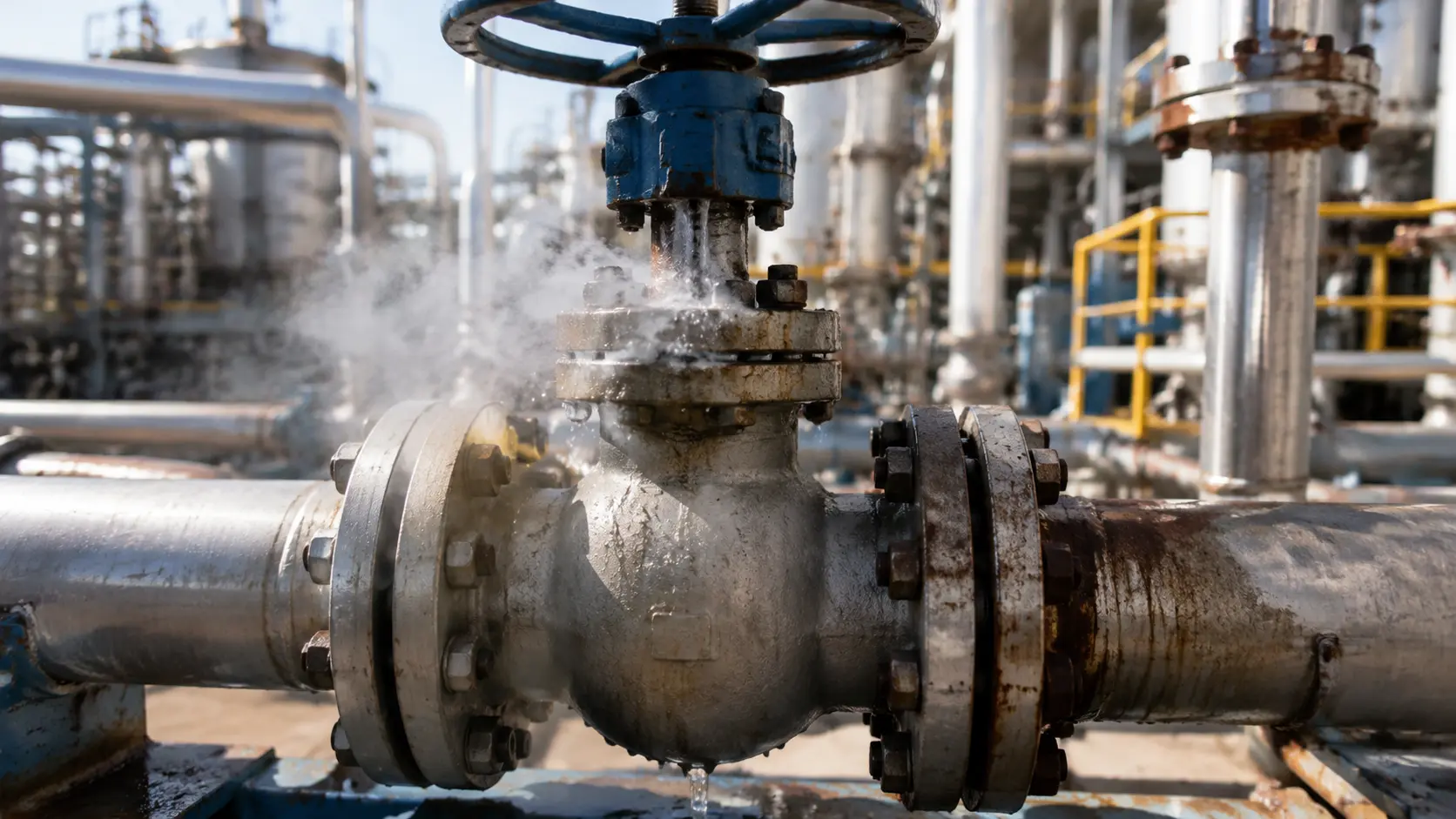
Ball valve stem leakage after thermal cycling is usually caused by a loss of packing pressure. Heating and cooling can...
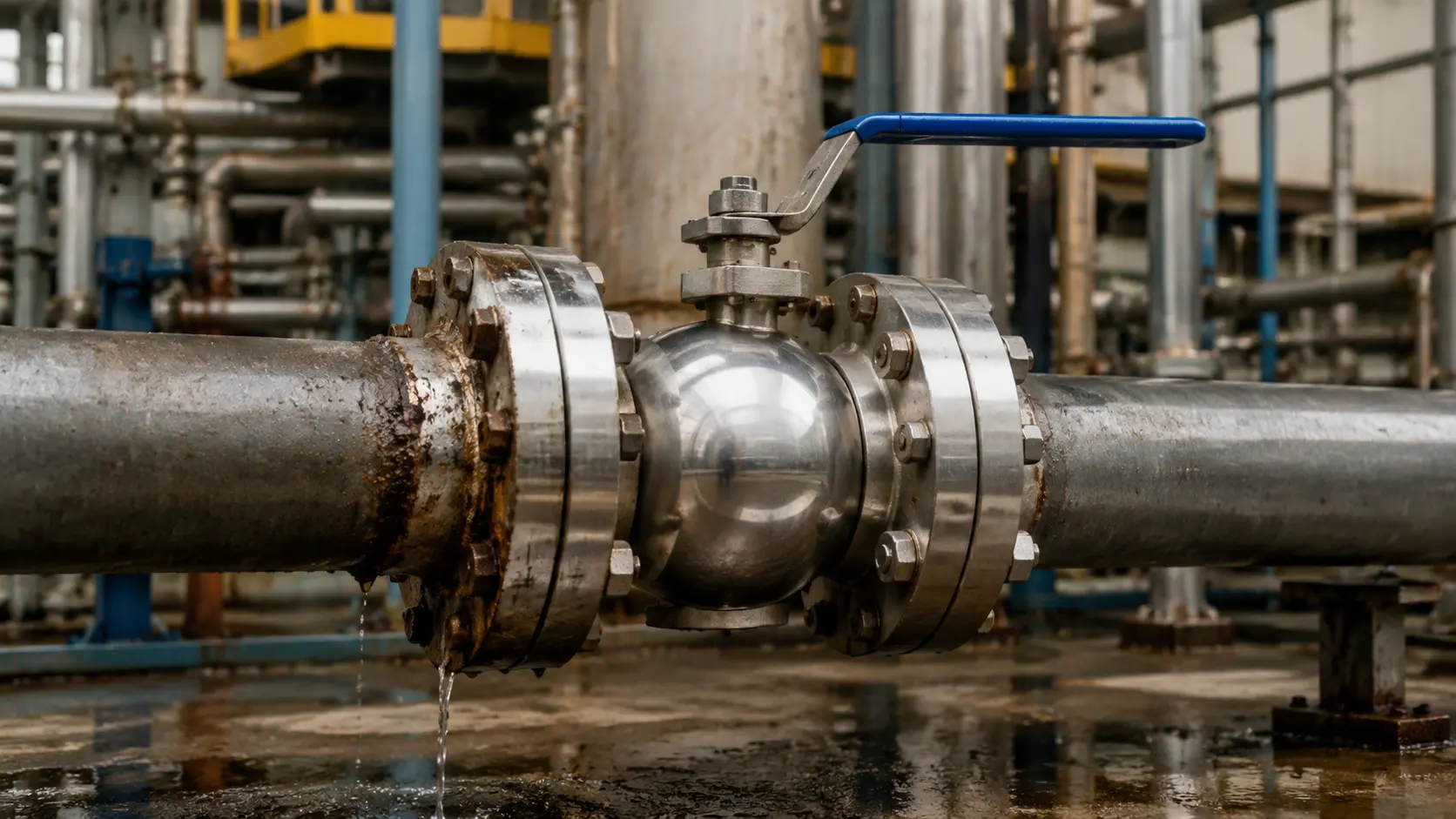
A ball valve that seals from one side but leaks when pressure is reversed may be directional by design, installed...