
- Blog
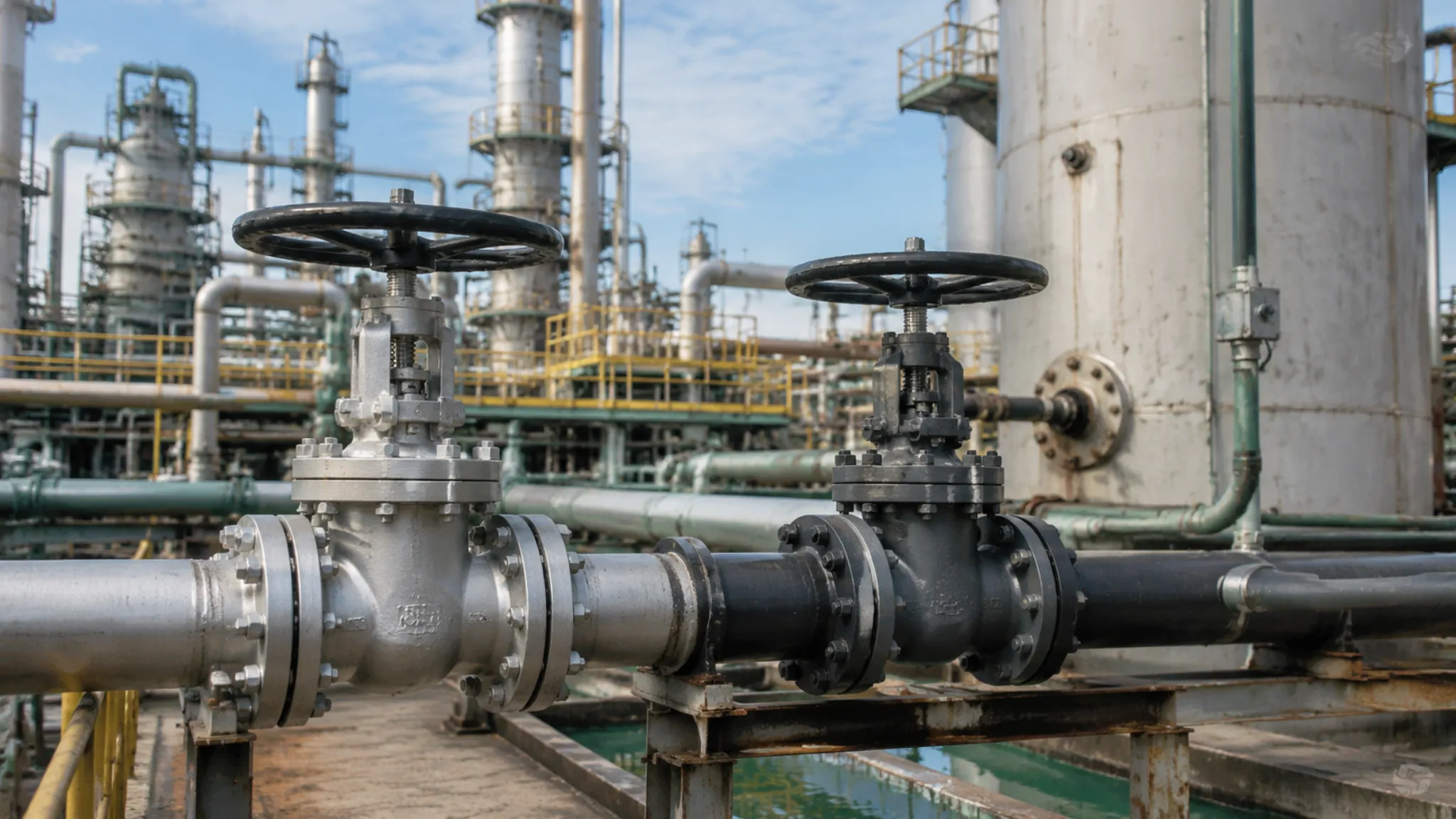
Valve material selection for chemical plant pipelines requires matching corrosion mechanisms with appropriate alloys. The survival of a material depends...
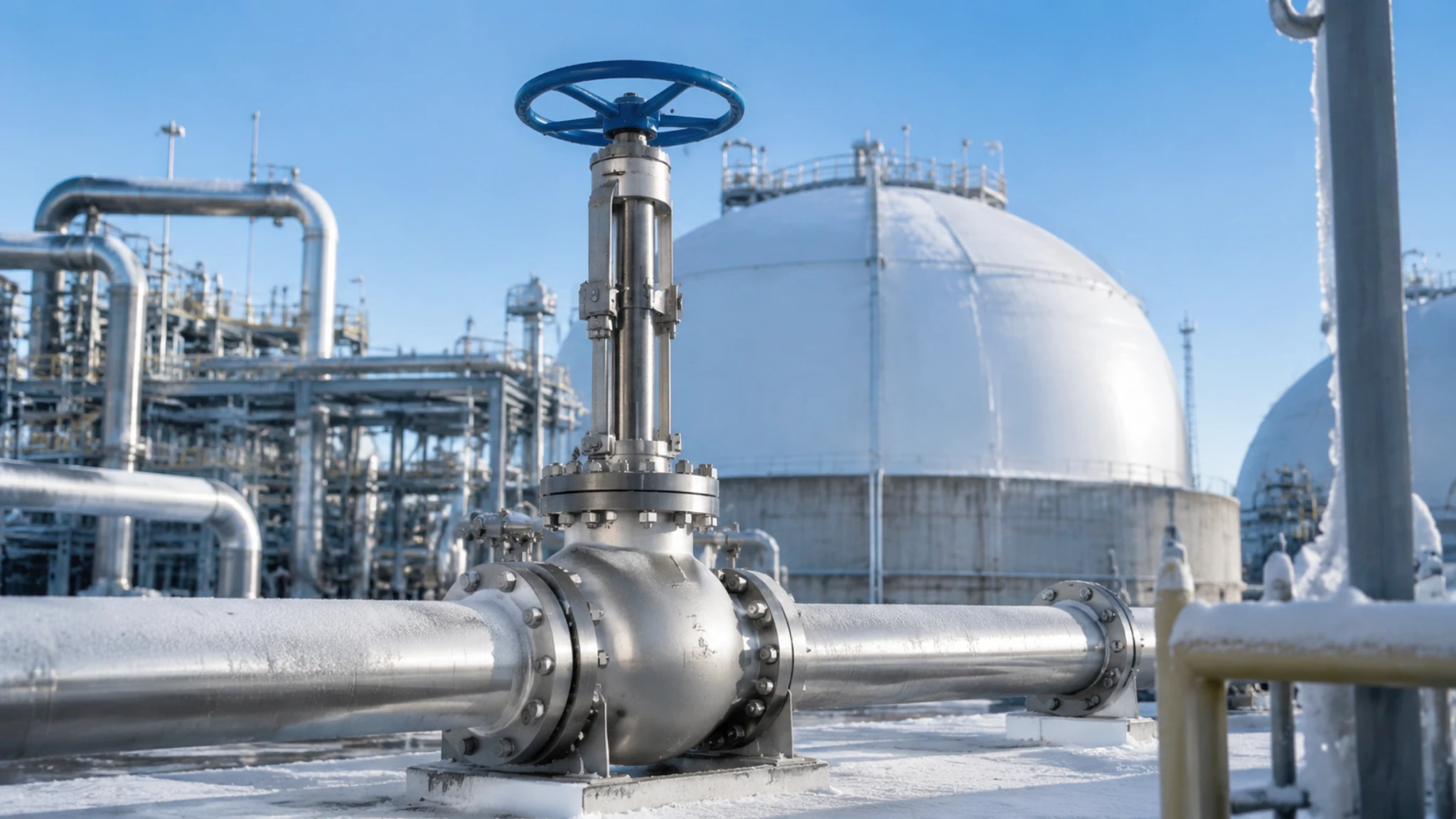
LNG (Liquefied Natural Gas) service imposes stringent low‑temperature requirements on valves: a storage temperature of −162 °C, with instantaneous minimums as...
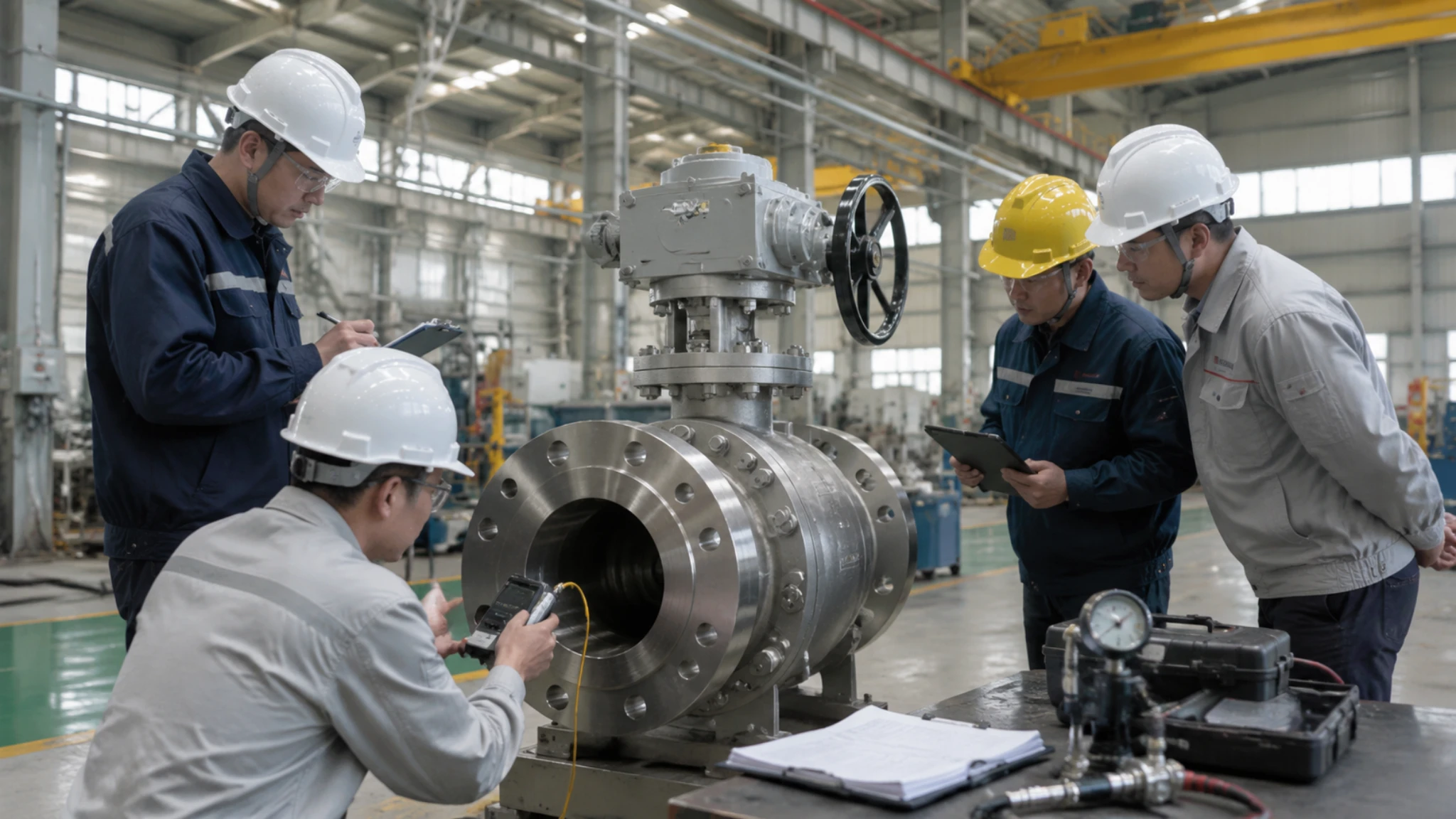
Factory Acceptance Test (FAT) is the final checkpoint for API 6D[1] ball valves from manufacturing to delivery, typically lasting 2–3...
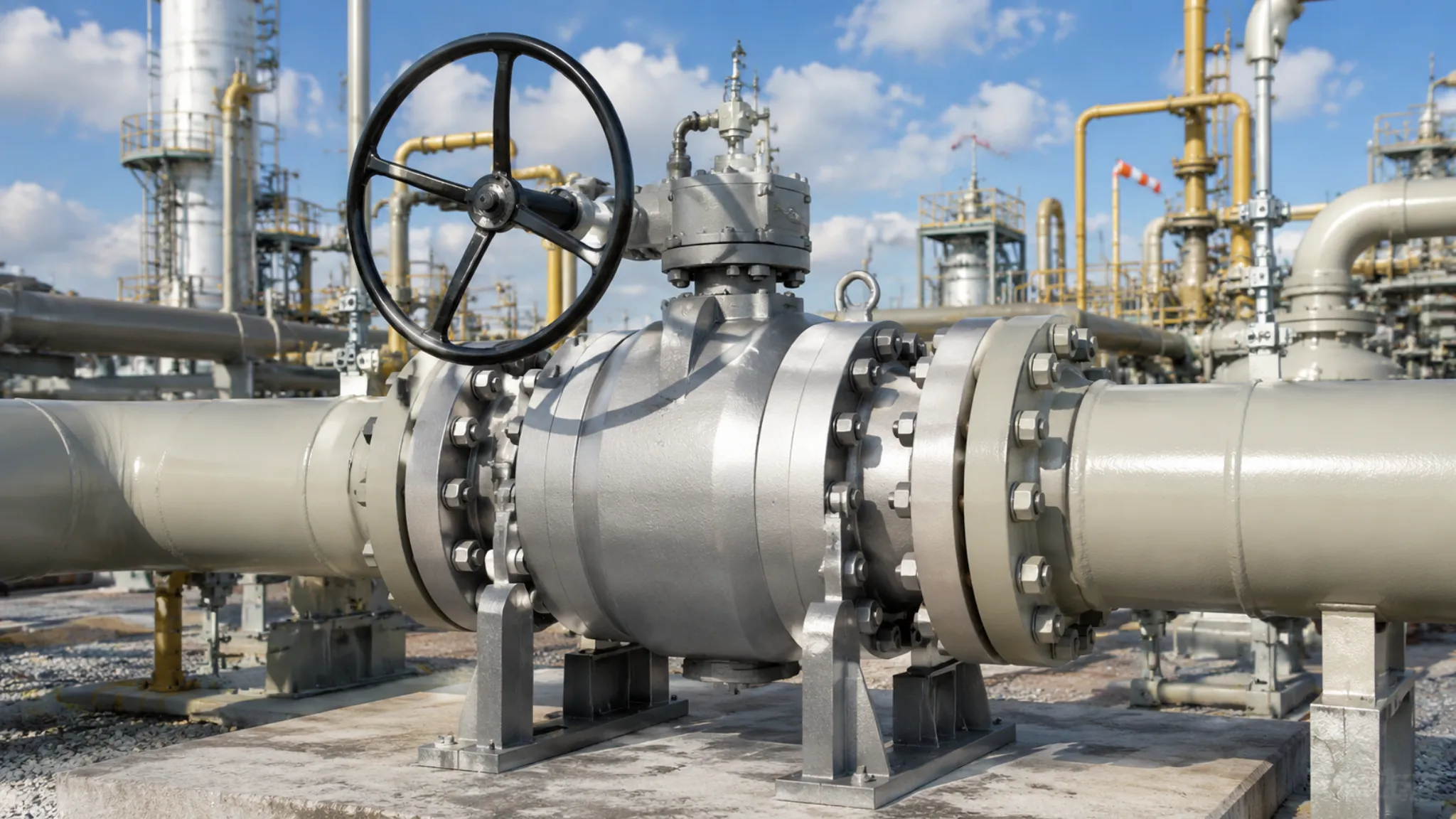
In sour service valve material selection, the standard divides materials into three groups: Group Scope of application Typical materials Group...
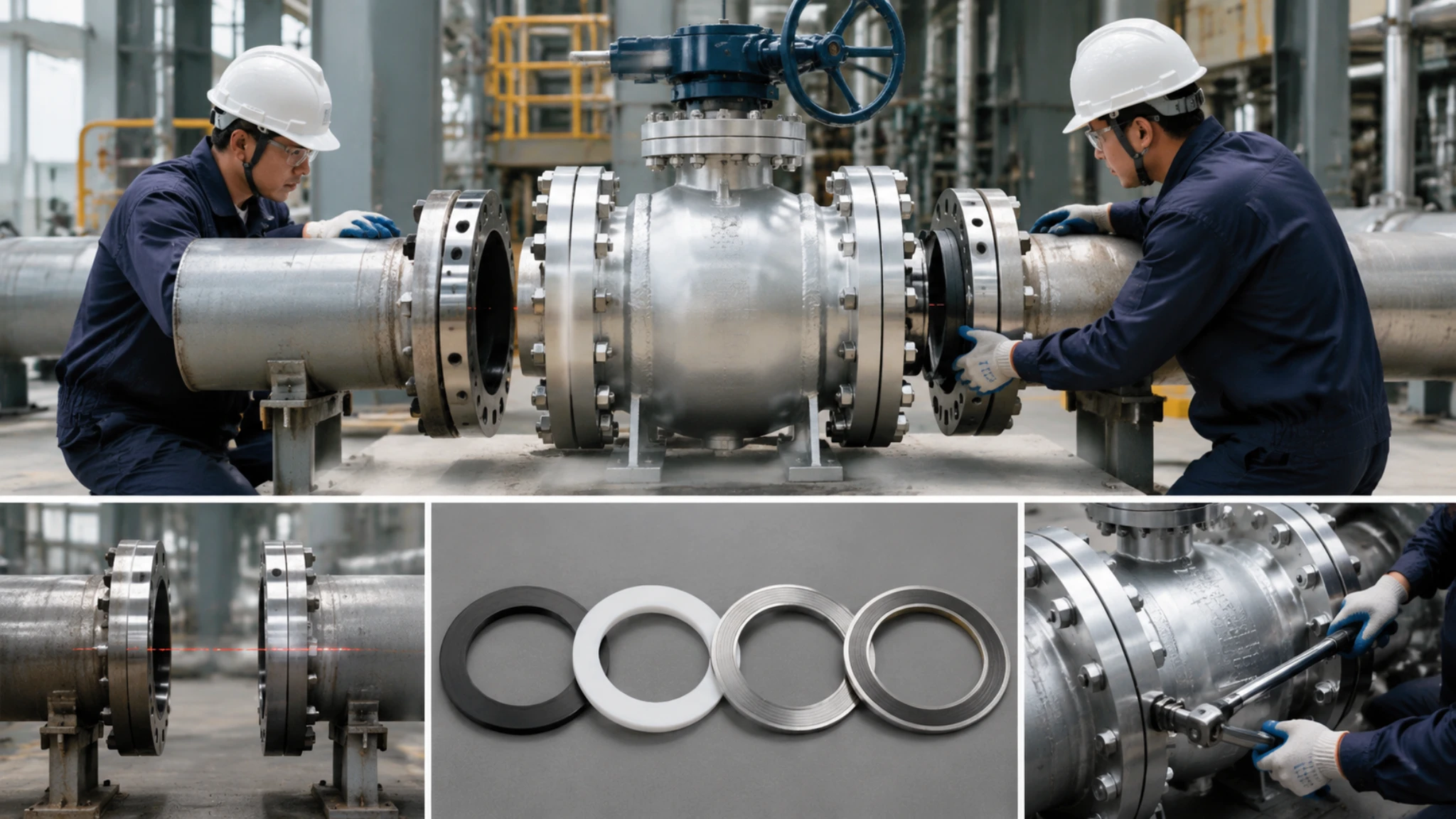
The installation quality of large-diameter flanged ball valves (above DN300, Class 150~Class 600) directly determines the sealing reliability of the...
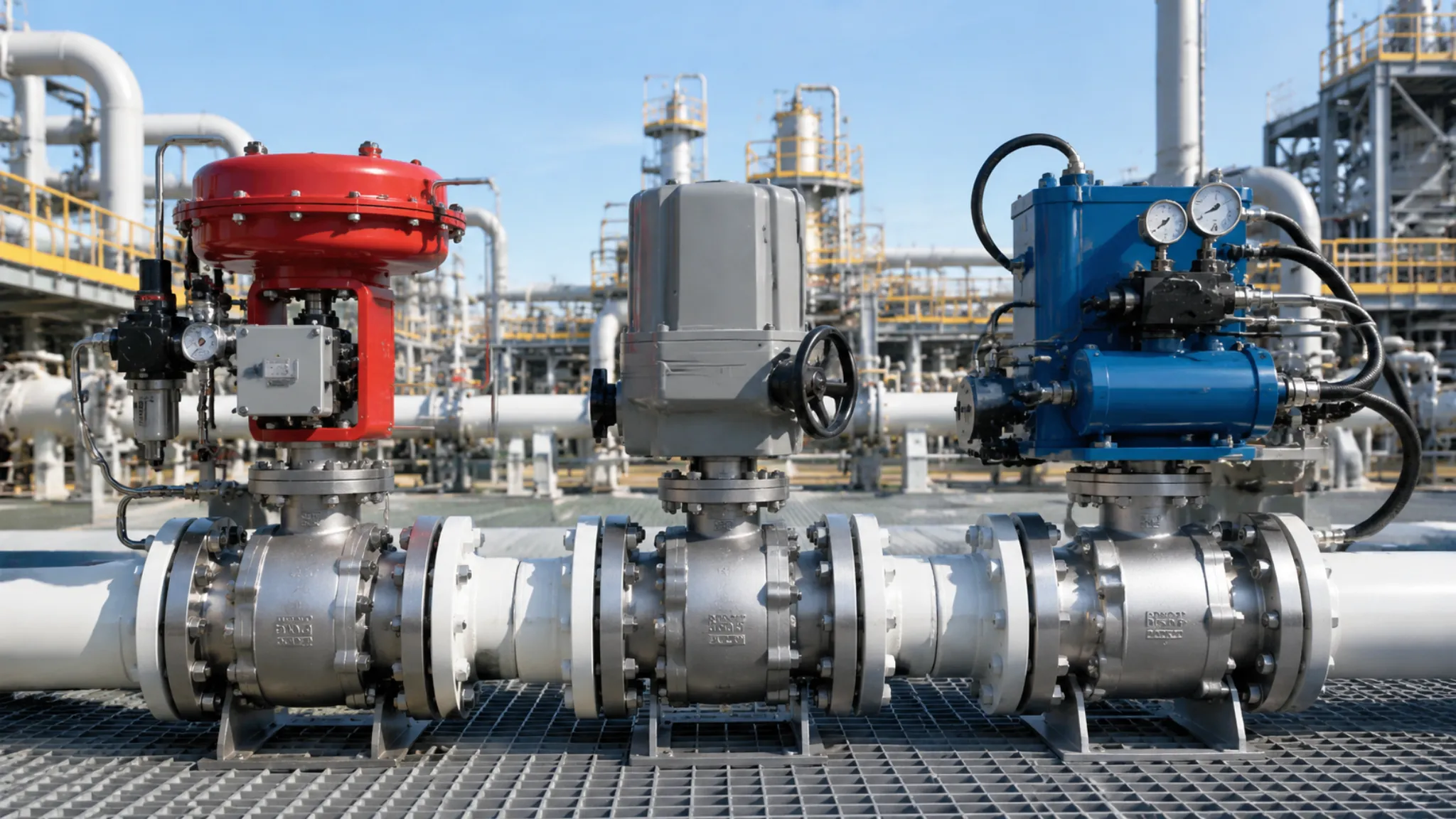
API 6D ball valves are critical isolation equipment in pipelines. Actuator selection directly impacts system operational reliability and construction costs....
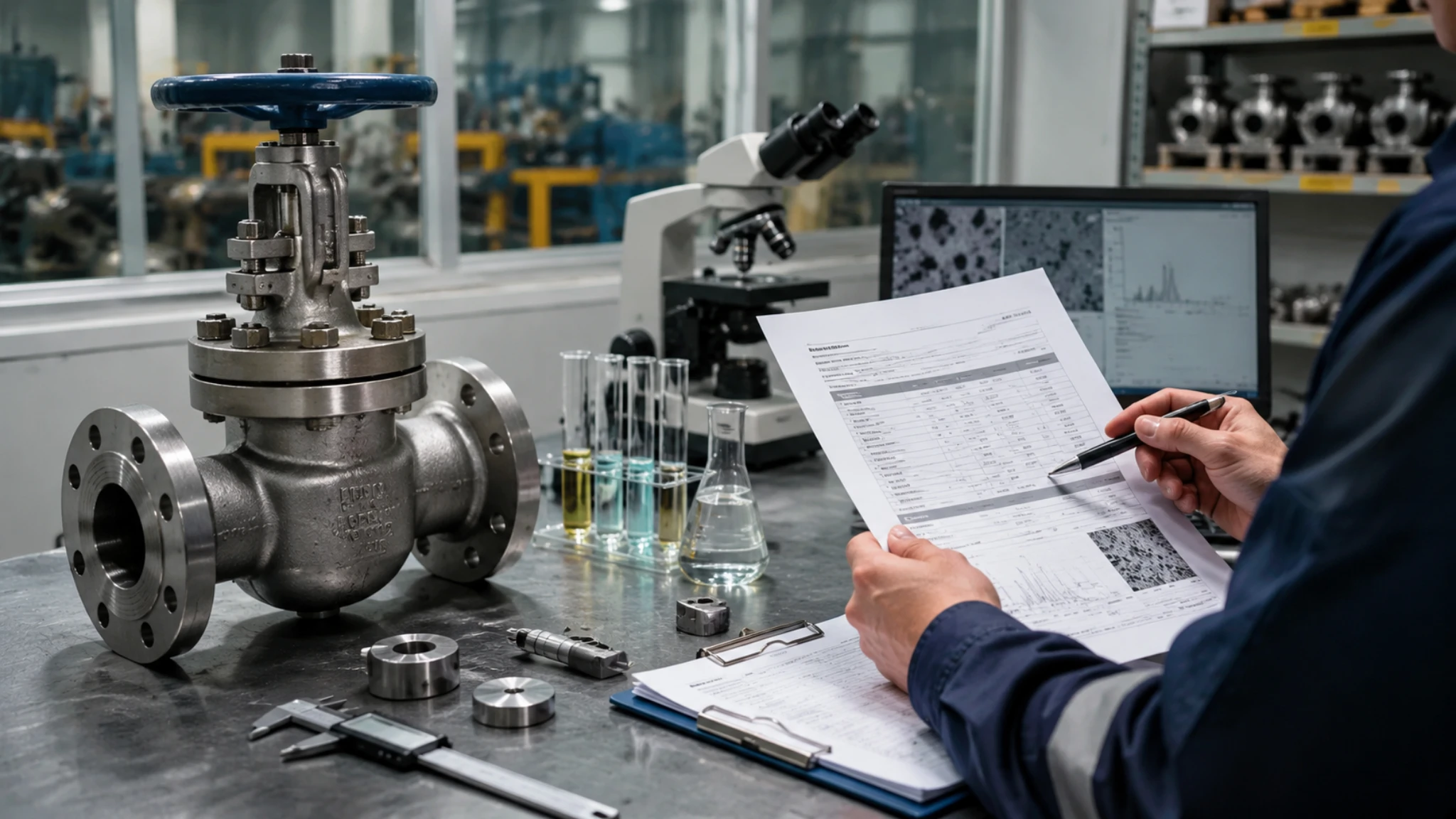
When each valve leaves the factory, a material certificate (EN 10204 3.1) is delivered together with the physical product. It...
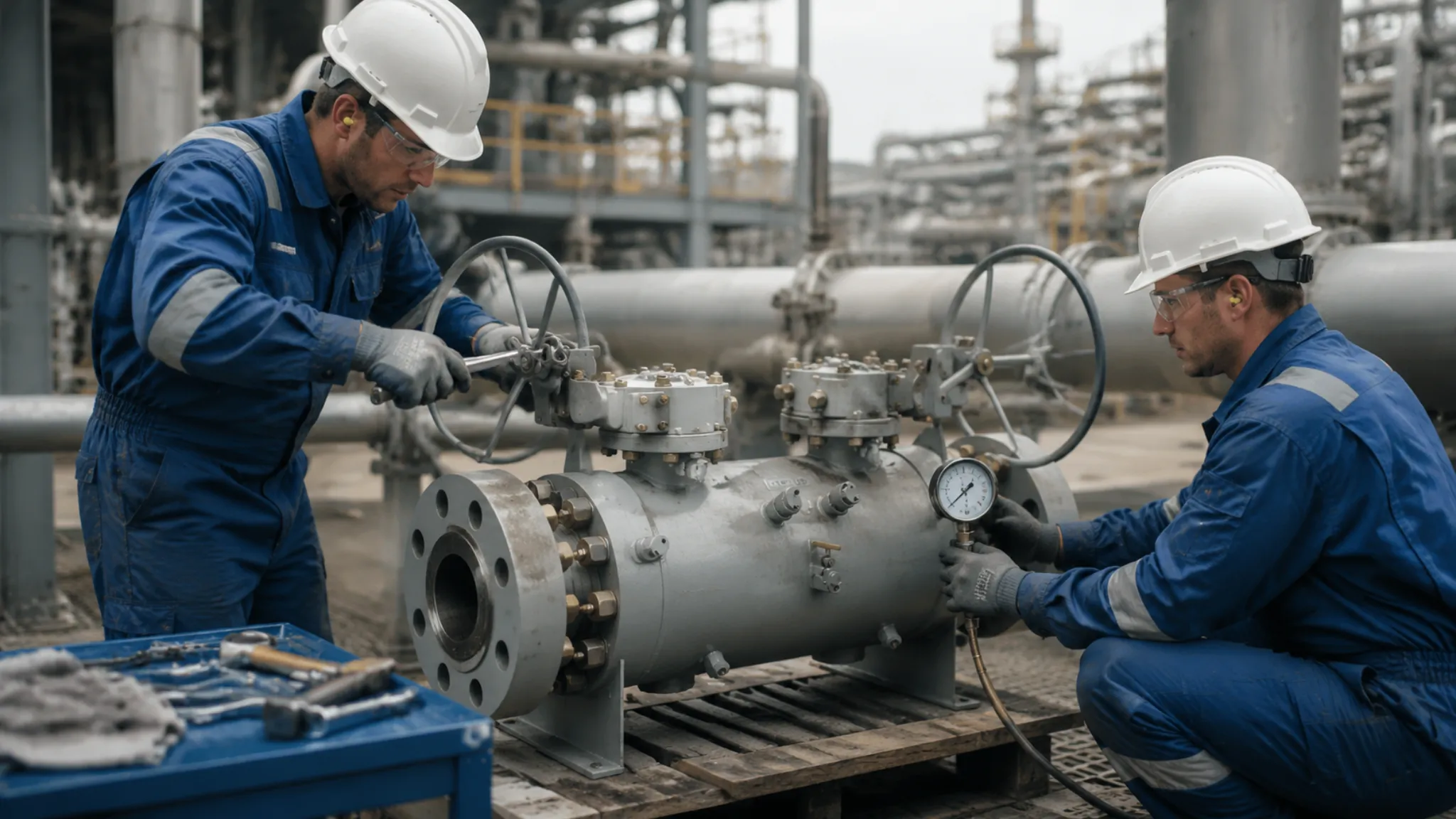
DBB compact manifolds are critical isolation equipment in oil, gas, and petrochemical applications. In Class 600-900 service, seal failures cause...
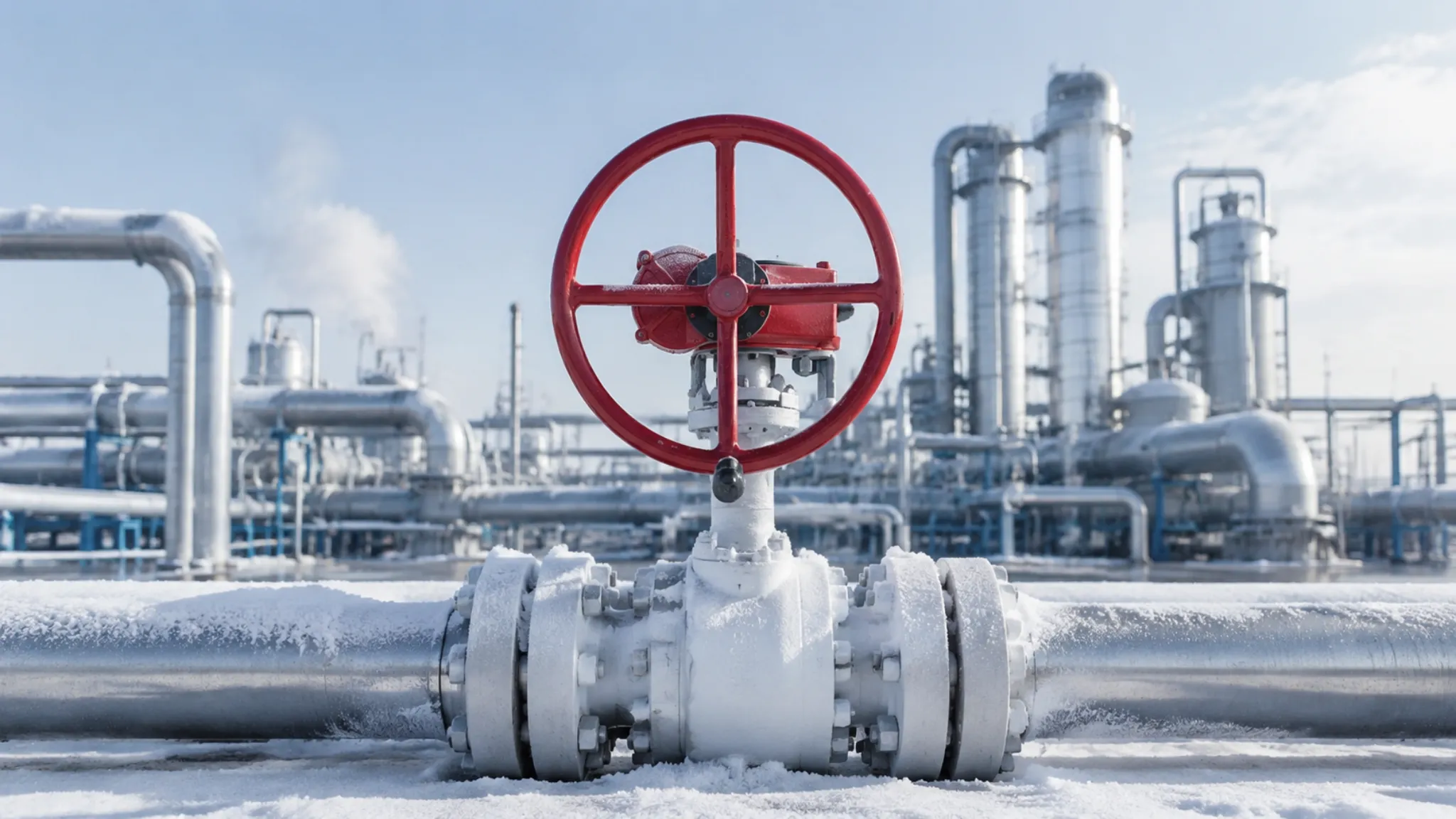
At LNG terminals and liquid hydrogen carriers, the valve stem packing gland is the primary leakage source. Extended neck protection,...