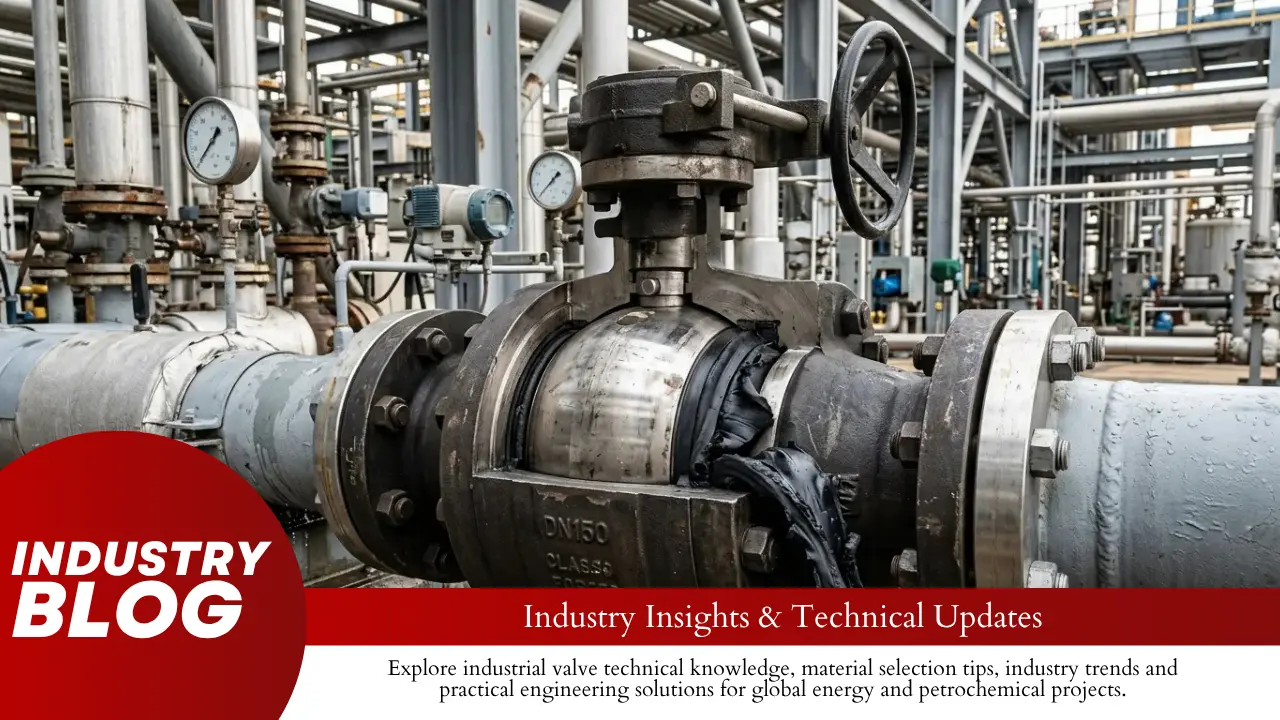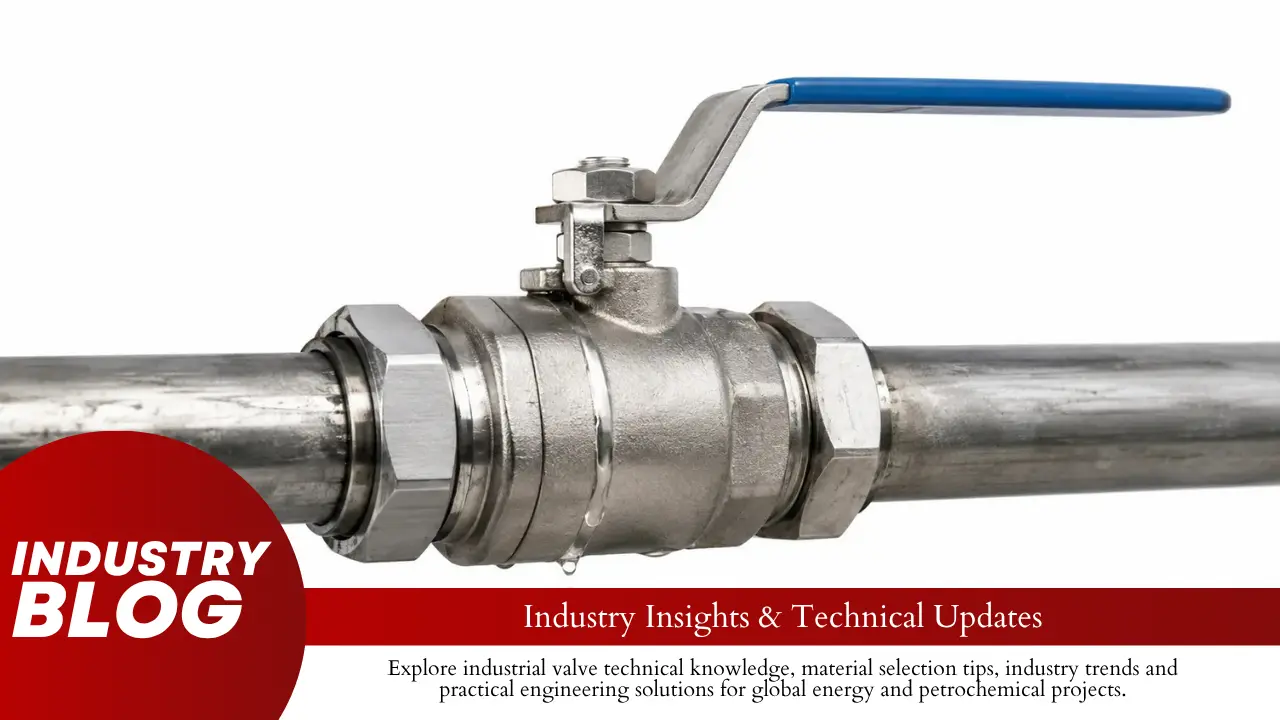
Over the past 6 years, our team has compiled valve + actuator quotation comparisons across 32 oil and gas pipeline projects for clients in Southeast Asia, the Middle East, and South America. A DN150 Class 600 ball valve with an electric actuator usually carries a higher initial actuator cost than a pneumatic counterpart, yet the 10-year cumulative operating cost of compressed air generation, air-system losses, maintenance labour, and air-treatment equipment can exceed that initial gap in greenfield projects.
Therefore, the cheapest option at the bidding stage is not always the lowest total cost over the asset lifecycle.
This article compares electric and pneumatic actuated ball valves on the same lifecycle basis, breaking the decision down across three dimensions: initial cost, operating expenses, and full lifecycle comparison. The lifecycle logic follows the same cost categories used in actuator lifecycle assessment studies, while the valve package itself should still comply with the applicable pipeline valve and pressure-temperature standards[1][2][3].
The base case used throughout the article is a mid-size pipeline isolation valve package. For ASME projects, the reference case is DN150–DN200, Class 600. For EN/PN projects, PN40 should be treated as a separate pressure-class case rather than as a direct equivalent to Class 600.
The operating assumption used for the comparison is 20 open-close cycles per day, 350 operating days per year, electricity at USD 0.12/kWh, and site labour at USD 60/hour. These values should be replaced with project-specific utility and labour rates before final procurement.
The conclusion should not be read as “electric is always better” or “pneumatic is always cheaper.” In greenfield projects without an existing instrument air system, electric actuators often win on lifecycle cost.
- In brownfield projects with a stable and already-paid-for compressed air network, pneumatic actuators may still be more economical.
- For ESD positions that require fail-safe action, the final decision should be made together with the safety instrumented function requirements, not by TCO alone.
Initial Cost
Valve Plus Actuator
During an enquiry for an LNG re-gasification terminal project in Johor, Malaysia, the DN200 PN40 floating ball valve body costs around USD 4,200. Paired with a double-acting pneumatic scotch-yoke actuator, including limit switches, solenoid valve, and air filter regulator combo, the factory price sits near USD 2,100, bringing the full assembly to roughly USD 6,300.
The same size valve paired with a quarter-turn electric actuator, 24 VDC, IP67, with 4–20 mA position feedback, costs around USD 5,800 at the factory, bringing the assembly to roughly USD 10,000. Per unit, the pneumatic option is therefore about USD 3,700 cheaper than the electric option in this internal quotation sample.
The gap is driven mainly by the motor, reduction gearbox, torque protection, encoder or position sensing components, control board, enclosure, and built-in electronic control module. The ball valve itself remains a quarter-turn valve, so the correct electric actuator description is quarter-turn or part-turn electric actuator, unless a multi-turn actuator is specifically paired with an additional gearbox.
ISO 5211 specifies requirements for the attachment of part-turn actuators, with or without gearboxes, to industrial valves, which is the more appropriate actuator-interface reference for ball valve packages[4].
In simple terms, a pneumatic actuator is mainly a mechanical air-driven device, while an electric actuator is a motorized control package. The electric unit normally includes a motor, reduction gearbox, torque protection, travel switches, local control logic, feedback module, and sometimes communication functions.
That is why the purchase price is higher even when the valve body is exactly the same.
In our experience, samples from our shop floor show that within the DN50–DN300 range, pneumatic actuators often cost less than equivalent electric units at the purchase stage. As the valve size and torque class grow, the motor power and gearbox cost dominate the electric actuator bill of materials, so the pneumatic initial-cost advantage can become more visible.
Across 28 EPC bids our team has reviewed, the initial cost of an electric actuator scope averaged higher than the pneumatic actuator scope. This is the number project budget reviewers see first. For the trade-offs at the specification level, see our forged metal-seated ball valves product page and the API 6D ball valve actuator selection guide[2].
When the same valve body, pressure class, bore size, material grade, seat design, and actuator mounting interface are specified, the valve body cost is usually identical between electric and pneumatic scopes. The price differential comes mainly from the actuator end and from the control accessories attached to it.
With the valve body segment at USD 4,200 and the actuator segment gap at around USD 3,700 in this quotation sample, the actuator decision still has a visible impact on the total package price.
One important exception is fail-safe design. A double-acting pneumatic actuator is usually cheaper than an electric actuator, but a spring-return pneumatic actuator can become much more expensive because the spring pack, housing size, and safety factor increase.
For emergency shutdown valves, this difference must be calculated separately instead of using a simple electric-versus-pneumatic price ratio.
Control System Cost
A pneumatic scope may require an air compressor, receiver tank, refrigerated dryer, filters, and piping when no suitable instrument air system exists on site. The U.S. Department of Energy describes compressed air as a system that includes supply, demand, distribution, storage, controls, and end uses, so the cost of dryers, filters, storage, distribution piping, controls, pressure drop, and leaks must be considered together[5].
If the site already has an instrument air network with enough dry-air capacity near the valve location, this cost can be skipped or greatly reduced. An electric scope connects to 24 VDC or 220 VAC power, and the cabinet-to-actuator wiring can be simpler when power and signal infrastructure already exists.
This is the first place where project conditions change the answer. In a greenfield valve station with no existing instrument air, pneumatic actuation transfers cost from the actuator line item to the air supply system.
In a brownfield plant with spare compressor capacity and an existing dry-air header near the valve location, the pneumatic control-system cost can be much lower. That is why TCO should be calculated with site-specific utility conditions, not only with catalogue prices.
At the control component level, the pneumatic scope usually requires additional solenoid valves, limit switch boxes or position transmitters, and air filter regulator units. The electric scope often integrates torque protection, travel switches, and position feedback inside the actuator factory price, so fewer field-side accessories may be required.
In our first-hand experience on an FPSO project in Abu Dhabi, we ran a detailed comparison across 20 DN150 ball valves. The combined initial cost of control cabinets, cabling, air preparation equipment, tubing, and air supply piping came to USD 41,000 for the pneumatic scope and USD 28,000 for the electric scope.
In that case, the electric scope was USD 13,000 cheaper at the control-system level because the pneumatic scope carried air treatment equipment and additional piping installation. We have seen this pattern across 5 different sites, but only where the air preparation and piping scope was newly installed or heavily allocated to the valve package.
On a per-valve allocation basis, this project sample equals about USD 2,050 per pneumatic valve and USD 1,400 per electric valve for the control, cabling, tubing, and infrastructure portion. The same accounting logic applies to forged soft-seated ball valves accessory packages[3].
For procurement teams, the practical request is simple: ask the actuator supplier or package vendor to separate the quotation into valve body, actuator, control accessories, cable, tubing, air preparation unit, and commissioning cost. A low actuator price may not remain low after the required air system and field installation materials are added.
Installation and Wiring Cost
Labor cost differences during site installation are the most easily overlooked line item in the initial cost. A DN200 electric actuator requires an average of 6–8 man-hours from unboxing to wiring and commissioning, including power wiring, signal cable termination, and travel or torque parameter setup.
A pneumatic actuator of the same size requires 8–10 man-hours, including air line installation, filter regulator installation, solenoid wiring, and leak testing. Pneumatic looks slightly higher, but roughly 3 of those hours go to air-line leak testing and actuator function testing, which the electric scope does not need.
In tropical climates, pneumatic leak testing can extend by another 1–2 hours due to humidity effects on threaded joints. This is a project execution observation rather than a requirement from API 6D or ASME B16.34.
The installation gap also depends on the layout of the valve station. If cable trays are already installed and power cabinets are close to the valve, electric installation is straightforward.
If the valve is located far from the control room, cable cost rises. For pneumatic scopes, the same logic applies to the distance from the air header, the number of tubing bends, welding permits, and whether hot work is allowed during commissioning.
For cable runs, a single electric actuator in our project samples averages 80–120 m of control and power cable. At a Southeast Asia EPC composite rate of USD 6 per metre, that is USD 480–720.
The pneumatic scope instead requires 30–50 m of galvanized steel pipe plus DN15 air tubing and fittings, averaging USD 220–350 in material cost. Pneumatic is cheaper on pipe material, but welding and leak-test labour can be higher.
Cable tray sharing across multiple electric actuators can reduce per-valve cable cost by 20–30% on large installations.
In our experience, during the acceptance phase of an offshore platform project in Brunei, we observed 32 DN100 ball valves installed with a total of 224 man-hours for the electric scope and 296 man-hours for the pneumatic scope. Electric labor was 24% lower, mostly during commissioning.
Electric commissioning used centralized HMI tuning, while pneumatic commissioning required per-valve air-line leak testing, stroke testing, and adjustment. If site labor exceeds USD 60 per hour, the labor saving on the electric scope may offset part of the cable material premium.
API 6D is relevant to pipeline valve manufacturing, assembly, testing, and documentation, while ASME B16.34 is relevant to valve pressure-temperature ratings, dimensions, tolerances, materials, nondestructive examination, testing, and marking. The installation labour difference mainly comes from field wiring, air tubing, leak testing, and commissioning work, not from those standards themselves[2][3].
Similar torque specifications for floating ball valves are documented in our floating vs trunnion pressure limits guide.
Before finalizing the actuator type, the buyer should confirm whether the installation contractor has included cable glands, junction boxes, air tubing, instrument fittings, leak-test labour, loop checking, and site acceptance testing. These small items often decide whether the initial-cost advantage remains real after installation.
Operating Expenses
Pneumatic Air Consumption
The energy cost of a pneumatic actuator is dominated not only by the air used during each actuator stroke, but also by the compressed air system that produces, dries, filters, stores, and distributes that air. The U.S. Department of Energy recommends evaluating compressed air as a complete system because losses and pressure drop on the supply and demand sides can strongly affect real operating cost[5].
A DN150 double-acting pneumatic ball valve may consume only a limited amount of compressed air per open-close cycle when measured at the actuator. However, the exact air volume depends on actuator model, cylinder volume, supply pressure, valve torque, torque safety factor, stroke time, and sizing margin.
For this reason, a universal “litres per cycle” value should not be used as the final TCO input. The procurement team should request the actuator air consumption per stroke from the actuator datasheet and then convert it into annual air demand using actual cycle frequency.
This distinction is important because the theoretical air used by valve movement does not include compressor standby operation, dryer power, receiver losses, air leakage, pressure drop, or artificial demand caused by running the air network at a higher pressure than necessary.
Direct actuator air consumption and station-level compressed-air cost must be kept separate in the TCO model.
In a refinery revamp project in Indonesia, we reviewed 68 DN150–DN300 pneumatic ball valves served by a compressed air system with 185 kW installed compressor capacity. The installed compressor power should not be averaged directly across the valve count.
The more defensible calculation used measured average compressor load allocated to the valve air demand. At roughly 39 kW average allocated load, 24-hour operation, 350 operating days per year, and USD 0.12/kWh, the shared electricity cost is about USD 580 per valve per year across 68 valves.
This larger number should be read as an allocated station-level cost, not as the direct air used by one actuator stroke. It reflects the compressor package, dryer, filters, receiver, air distribution losses, leakage, and operating load assigned to the valve air demand.
If the plant already has an efficient compressed air system and the valve actuators represent only a marginal load, this USD 580 per valve per year value should be reduced. If the compressor package is dedicated mainly to the valve station, the allocated cost may be much higher than the direct actuator air consumption suggests.
The cost-structure framing in this section mirrors the approach used in our ball valve manufacturer selection experience[5].
For readers building their own spreadsheet, the key question is not only “how much air does one actuator consume per stroke?” The more important questions are: whether the compressor is dedicated or shared, whether it runs continuously, how much leakage exists in the plant air network, and whether the valve package is large enough to justify a separate air-system allocation.
Electric Power Consumption
The electric actuator power consumption model is more direct than the pneumatic model because the running energy can be estimated from motor power, stroke time, and annual cycle count. A DN200 quarter-turn electric actuator rated at 0.75 kW and running for 30 seconds per cycle over 7,000 cycles per year consumes:
0.75 kW × 30 s × 7,000 / 3,600 = 43.75 kWh/year.
At USD 0.12/kWh, the annual running electricity cost is USD 5.25 per valve. This calculation covers running energy during valve movement only.
In real installations, electric actuators may also consume standby power through the control board, display, position feedback circuit, communication module, anti-condensation heater, and UPS losses if a backup power system is installed.
In warm indoor service this standby load is small. In offshore, humid, cold, or hazardous-area service, enclosure heaters and certified electrical components can increase both power use and purchase cost.
Electric actuator energy use is also sensitive to motor load, torque margin, duty cycle, and starting current. DOE motor-system guidance recommends evaluating motor systems as complete motor-driven systems, not only by nameplate power[6].
Small-bore electric actuators below DN100 may show low running energy, but standby heaters, control electronics, and UPS losses can become material in outdoor or hazardous-area service. Large-bore electric actuators above DN300 can consume much more energy because torque demand and motor size increase.
In our first-hand experience on a GTL project in Qatar, we observed 64 electric ball valves with annual total consumption of about 4,200 kWh when running, standby, cabinet, and heater loads were included. Over 10 years, this accumulated to about 42,000 kWh, equivalent to roughly USD 5,000 at USD 0.12/kWh.
The electric scope’s energy advantage lies mainly in the absence of a compressed air supply system. A pneumatic scope’s direct and proportional air-system energy can range from low values in a well-managed shared-air network to much higher values when a dedicated or oversized compressor package is allocated across a small number of valves.
The electric scope’s body plus power supply losses are usually easier to measure because they are tied to actuator running current, standby current, enclosure heater power, cabinet load, and UPS losses.
The smaller the bore and the lower the torque, the larger the electric energy advantage. The larger the bore and the higher the torque, the narrower the energy gap may become.
The energy modeling method for electric actuators aligns with the size-vs-cost coefficient in our forged ball valve price guide[6].
For a fair comparison, procurement teams should ask electric actuator suppliers for running current, starting current, duty cycle, standby power, enclosure heater power, and recommended UPS size. Without these figures, the electric side of the TCO model will look cleaner than it really is.
Maintenance Labor
Differences in maintenance frequency and cost compound over the operating period. Pneumatic actuator wear parts include O-rings, guide rings, springs, solenoid coils, air filter regulator cartridges, and tubing or fitting seals.
A DN150 pneumatic ball valve in our maintenance records averages 6–8 maintenance man-hours per year. At USD 60/hour, that is about USD 360–480 per year in labour, before spare parts.
The annual scheduled shutdown for pneumatic actuator service typically takes 2–4 hours per valve, while electric actuator service often takes less than 1 hour when no electronic fault is present.
Pneumatic maintenance is frequent because the system has many small mechanical and sealing points. The typical work includes air leak inspection, seal kit replacement, solenoid coil replacement, filter regulator cartridge change, tubing and fitting checks, actuator lubrication, spring inspection, and stroke test.
In dusty, humid, or salt-laden environments, the air treatment unit may require more attention than the actuator itself.
The electric actuator wear parts list is usually shorter: encoder battery where applicable, lubricating oil, contactors or relays, seals, and electronic control board components. A DN150 electric ball valve in our maintenance records averages 1.5–2 maintenance man-hours per year, or about USD 90–120 per year in labour, before spare parts.
Pneumatic maintenance hours run about 3–4× the electric scope in the project samples we reviewed, with most labor spent on seal replacement and air supply servicing. The electric scope may also benefit from predictive maintenance features such as torque trending and travel curve logging, depending on actuator model and control system integration.
Electric maintenance is less frequent, but it requires a different skill set. Technicians may need to check torque calibration, limit switch settings, parameter backups, firmware status, board diagnostics, moisture ingress, and communication faults.
If the site does not stock spare control boards or if the maintenance team is not trained in electric actuator diagnostics, one electronic fault can create longer downtime than a simple pneumatic seal replacement.
In our experience, 5-year follow-up data from a chemical plant in Vietnam showed 32 pneumatic ball valves accumulated 1,040 maintenance man-hours and USD 18,400 in spare parts over 5 years. The same bore of 32 electric ball valves accumulated 280 maintenance man-hours and USD 4,800 in spare parts.
The pneumatic scope’s 5-year maintenance total reached USD 80,800, made up of USD 62,400 labour and USD 18,400 parts. The electric scope reached USD 21,600, made up of USD 16,800 labour and USD 4,800 parts.
On a per-valve basis, this equals about USD 2,525 for pneumatic maintenance and USD 675 for electric maintenance over 5 years. In that project sample, pneumatic maintenance was about 3.7× the electric cost.
Over 10 years, this maintenance line item alone can recover a meaningful part of the initial cost gap. Maintenance cycle comparisons are documented in our DBB compact manifold maintenance guide[1].
The practical takeaway is clear: pneumatic actuators often cost less to buy, but they create more routine maintenance work. Electric actuators cost more to buy, but they shift the maintenance burden toward periodic inspection, electronics diagnosis, and spare module availability.
Full Lifecycle Comparison
5-Year Total Cost
Putting every line item on the same 5-year lifecycle table for a DN150 Class 600 ball valve plus actuator, the result depends mainly on whether the compressed air system is new, existing, dedicated, or shared. The following greenfield case assumes electricity at USD 0.12/kWh, labour at USD 60/hour, 20 cycles per day, 350 operating days per year, and a compressed-air infrastructure allocation assigned to the valve package.
| Cost Item | Pneumatic Scope | Electric Scope |
|---|---|---|
| Valve + actuator purchase | USD 6,300 | USD 10,000 |
| Control, cabling, tubing, and infrastructure allocation | USD 2,050 | USD 1,400 |
| 5-year energy cost | USD 2,900 | USD 26 |
| 5-year maintenance labour and spare parts | USD 2,525 | USD 675 |
| 5-year total | USD 13,775 | USD 12,101 |
At the 5-year mark, the electric scope is about USD 1,674 cheaper in this greenfield allocation model. The main reason is not the actuator purchase price, but the combined effect of compressed-air infrastructure, shared compressor energy, leak-related system losses, and maintenance labour.
The simplified formula behind this comparison is: TCO = valve and actuator purchase cost + control system cost + installation labour + energy cost + compressed-air or electrical infrastructure allocation + maintenance labour + spare parts + downtime risk.
The exact result changes quickly when electricity price, labour rate, valve count, existing air-system capacity, and cycle frequency change.
The 5-year point is the critical decision horizon for many mid-size oil and gas projects. Many EPC operating contracts run on a 5-year term, and the total cost during the contract period directly affects bid price.
In our first-hand experience on a 5-year O&M contract bid in Malaysia, 32 DN150 ball valves showed a lower 5-year operating cost for the electric scope because the pneumatic option required newly allocated air treatment and distribution costs. The dual-scope pricing detail in this section is also discussed in our API 6D high-pressure ball valves reference[2].
One caveat: if the site already has an existing compressed air network, the pneumatic shared air-supply cost drops sharply, and the 5-year total cost advantage may reverse. In one brownfield revamp project in Abu Dhabi, using the existing compressor system made the pneumatic and electric 5-year costs nearly equal.
TCO calculations must therefore be built on the actual air supply conditions at the specific site, not generic numbers.
For a 5-year contract, the most useful decision rule is payback period. If the annual operating saving of the electric scope is higher than the initial electric premium divided by the contract years, electric becomes financially defensible within the project term.
If the compressed air network is already available and maintenance labour is cheap, pneumatic may remain competitive during the first 5 years.
10-Year Total Cost
The 10-year horizon is the typical full lifecycle window for major pipeline projects and offshore platforms. For the same DN150 Class 600 ball valve plus actuator, the greenfield model gives the following 10-year comparison:
| Cost Item | Pneumatic Scope | Electric Scope |
|---|---|---|
| Valve + actuator purchase | USD 6,300 | USD 10,000 |
| Control, cabling, tubing, and infrastructure allocation | USD 2,050 | USD 1,400 |
| 10-year energy cost | USD 5,800 | USD 53 |
| 10-year maintenance labour and spare parts | USD 5,050 | USD 1,350 |
| 10-year total | USD 19,200 | USD 12,803 |
At the 10-year mark, the electric scope is about USD 6,397 cheaper in this greenfield allocation model. The saving is about 33% versus the pneumatic lifecycle total.
The 10-year gap is dominated by the cumulative cost of compressed air generation, leakage burden, air treatment, and routine pneumatic maintenance. Air compressors, dryers, filters, receivers, and distribution piping are not only capital assets; they also create recurring energy and maintenance costs throughout the operating period.
The electric scope’s control cabinet and cabling also require capital investment, but the annual operating cost is usually easier to measure because it is tied to actuator running current, standby current, cabinet load, heater load, and UPS losses.
The 10-year model is especially useful for owner-operators because they carry the maintenance cost, utility cost, shutdown risk, and spare-parts burden after handover. EPC contractors may focus on the initial bid price, but the owner sees the full cost curve.
This is why the same actuator choice can look different depending on whether the decision is made by procurement, construction, or long-term operations.
In our experience, on a deepwater pre-salt FPSO project in Brazil with a 15-year operating cycle and 48 DN200 Class 900 ball valves, the owner selected the electric scope for non-ESD isolation positions because the TCO model showed that cumulative compressed-air cost and pneumatic maintenance would exceed the initial electric premium after the mid-life point.
The relative advantage at the 15-year horizon was larger than at 10 years. The offshore-specific environment is also covered in our duplex WCB vs forged comparison with corrosion cost data[3].
A simple sensitivity check should be added before final selection.
- Electric becomes more attractive when compressed-air electricity is allocated to the valve package, site labour is above USD 50/hour, valve count is high, compressor leakage is significant, or the project has no existing instrument air.
- Pneumatic becomes more attractive when the air network already exists, the valve count is small, the actuator must fail safe without battery, capacitor, spring-return electric actuator, or UPS support, or site technicians are already trained and stocked for pneumatic maintenance.
Reliability Comparison
Reliability is the second often-underestimated cost outside of TCO. Pneumatic and electric actuators do not fail in the same way, so a simple “which one is more reliable” answer can be misleading.
Pneumatic faults are often mechanical and visible: air leak, worn seal, failed solenoid, pressure loss, filter regulator blockage, or tubing damage. Electric faults can be less frequent in some projects but harder to diagnose: encoder error, moisture ingress, board failure, torque sensor fault, parameter loss, communication failure, or power supply fault.
Many electric actuators include a handwheel or manual override, so the issue is not that electric valves can never be operated by hand. The real issue is fault recovery and restoration of remote operation.
In our first-hand project tracking across 32 valves, the electric scope averaged about 1.2 unplanned actuator interventions per year across the valve population, while the pneumatic scope averaged about 2.8 interventions per year. Average repair time per intervention was about 6.8 hours for the electric scope and 4.2 hours for the pneumatic scope.
Under that project record, the estimated annual actuator repair downtime was about 8.2 hours for the electric scope and about 11.8 hours for the pneumatic scope across the 32-valve population. This comparison should be treated as internal project data, not as a universal MTBF value.
Pneumatic has more frequent but faster repairs. Electric can have fewer interventions but slower fault diagnosis when electronic modules, parameter settings, or communication faults are involved.
For critical ESD and isolation valve positions, reliability requirements are far above normal control valves. Redundancy, diagnostics, proof testing, fail-open or fail-close behaviour, and safety instrumented function design must be considered together.
IEC 61511 gives requirements for the specification, design, installation, operation, and maintenance of safety instrumented systems in the process industry. For ESD valve positions, the actuator decision should therefore be reviewed within the safety instrumented function and SIL requirement, not only within a cost spreadsheet[7].
A pneumatic scope with an air receiver or nitrogen receiver can often move to a safe direction during loss of power or loss of normal air supply, depending on the valve action and receiver sizing. A standard electric actuator usually requires battery backup, capacitor return, spring-return electric design, or UPS support to achieve equivalent fail-safe action.
In our experience on a North Sea offshore platform, ESD valve positions were specified separately from normal isolation valves. Pneumatic actuators with dedicated receivers were selected for many safety positions, while electric actuators remained competitive for non-ESD isolation positions where lifecycle cost and control integration were the main concerns.
TCO calculations must therefore break out safety reliability as a separate line item. At SIL 2 or SIL 3 levels, the cost of proof testing, diagnostics, partial stroke testing, emergency power philosophy, receiver sizing, and spare-parts availability may be more important than the initial actuator price.
Reliability modeling and floating-ball-valve design data are documented in our trunnion vs floating ball valve comparison[7].
This is why ESD valves should not be selected by TCO alone. They should be reviewed together with fail-open/fail-close requirements, required stroke time, SIL target, partial stroke testing, emergency power philosophy, nitrogen receiver capacity, manual override method, and spare-parts availability.
A lower 10-year cost is not useful if the actuator cannot meet the required safety function.
In summary, electric actuated ball valves carry a higher initial actuator cost than pneumatic actuators, but the total cost can cross over by year 5 in greenfield or high-maintenance-cost projects. Over a 10-year lifecycle, the electric scope can be substantially lower in total cost when the compressed-air system is newly built or heavily allocated to the valve package.
If the project already has a compressed air network and ESD safety requirements are strict, the pneumatic scope may have advantages on initial cost, fast action, and fail-safe operation. For greenfield projects with compressed-air electricity allocated to the valve package and labor above USD 50/hour, the electric scope’s TCO advantage is often pronounced.
Across our 32-project sample, the electric scope produced the clearest lifecycle saving where no existing instrument air system was available, where valve count was high, and where pneumatic maintenance had to be carried by the owner after handover.
For final procurement, the safest approach is to ask each supplier for a complete actuator package datasheet: required valve torque, actuator output torque, safety factor, stroke time, duty cycle, running current, standby power, air consumption per stroke, enclosure rating, hazardous-area certificate, manual override method, fail-safe mode, communication protocol, spare-part list, and recommended maintenance interval.
Once these figures are collected, the buyer can replace the sample values in this article with project-specific numbers and reach a decision that is both technically defensible and commercially realistic.