
Carbon Steel vs Stainless Steel vs Duplex Ball Valves | Material Cost and Performance Trade-Off
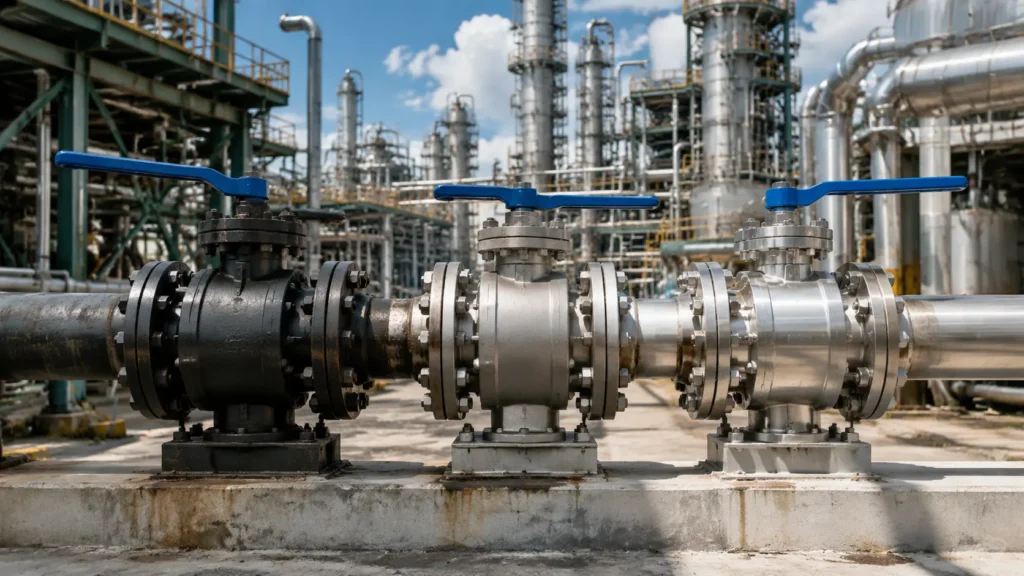
Picking the body material for a pipeline ball valve is a cost-versus-corrosion decision. A wrong choice can wipe out six figures in the field when the medium, water chemistry, temperature or testing scope is not checked early. The real question is not which material is best, but which material fits the medium, chloride level, temperature, […]
Floating Ball Valve vs Trunnion Ball Valve | Cost and Selection Comparison for NPS 2-8 Class 150-600
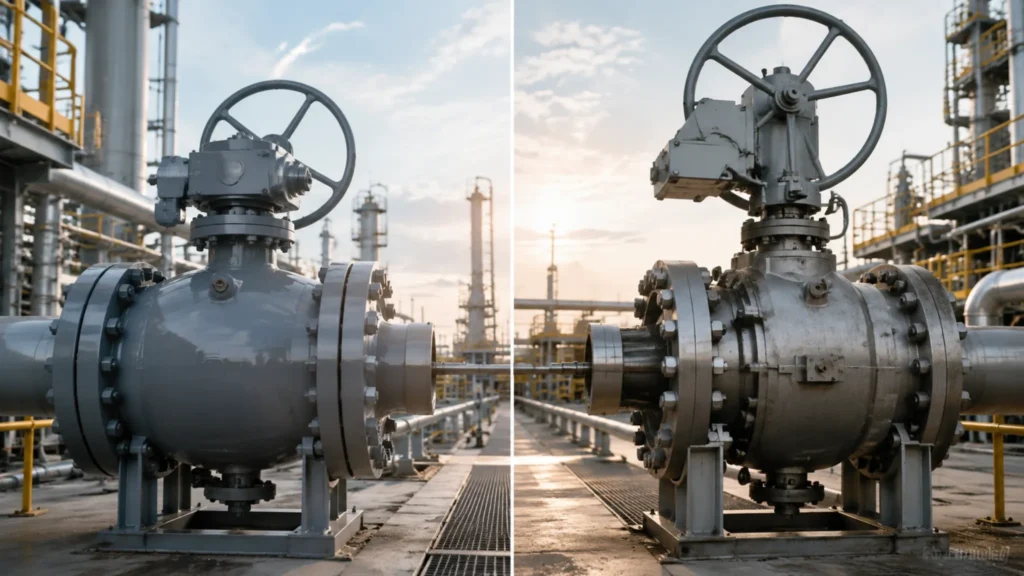
Floating ball valves and trunnion-mounted ball valves can both be used in industrial ball-valve service, but they should not be compared by headline valve price alone. In the NPS 2-8 and ASME Class 150-600 range, the practical cost difference depends on size, pressure class, bore design, body material, seat material, end connection, fire-safe requirement, DBB/DIB […]
How to Specify a Metal-Seated Ball Valve for High Temperature Service | 400°C+ Material and Design Guide

When process temperature exceeds 400°C, a soft-seated ball valve should not be treated as the default choice. PTFE has a typical continuous service temperature around 260°C, while common PEEK grades are usually rated around 250-260°C for continuous service. At 400°C and above, the valve specification normally moves toward metal-to-metal sealing, high-temperature stem packing, controlled thermal […]
How to Manage Valve Spare Parts Inventory for a Petrochemical Plant | Critical Spares Planning
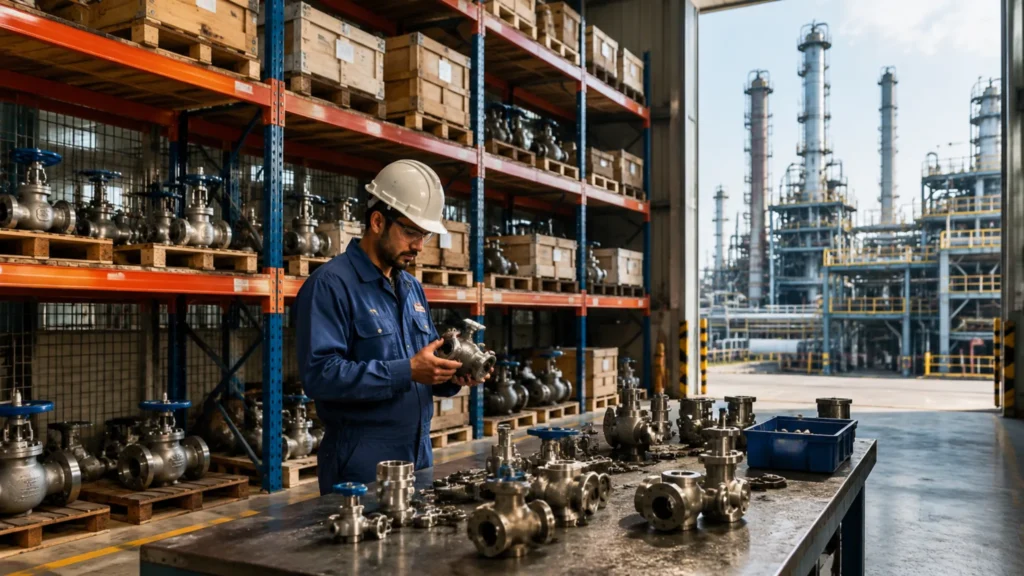
A ball valve spare parts list in a petrochemical plant can easily run into hundreds of material codes once size, pressure class, body material, trim material, seat design, actuator type, and service condition are separated. The parts that decide downtime, however, are usually a much smaller group. Inventory control should begin by separating shutdown-critical parts […]
Best Ball Valve Manufacturers in China for Oil and Gas Projects: API 6D Supplier Evaluation Guide
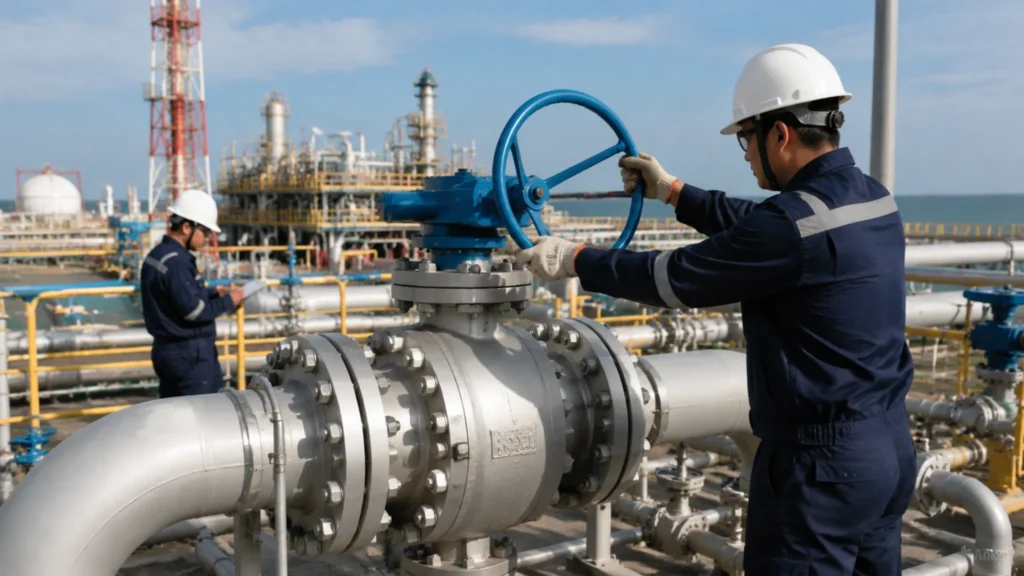
Choosing a ball valve manufacturer in China for oil and gas projects should start with verified qualification, controlled manufacturing capability, relevant project references, and long-term service support. A capable supplier should be able to prove that its quality system, material traceability, machining process, test facilities, documentation control, delivery management, and spare parts system work together […]
How to Write a Valve ITP (Inspection and Test Plan) | Hold Points, Witness Points, and Review Points
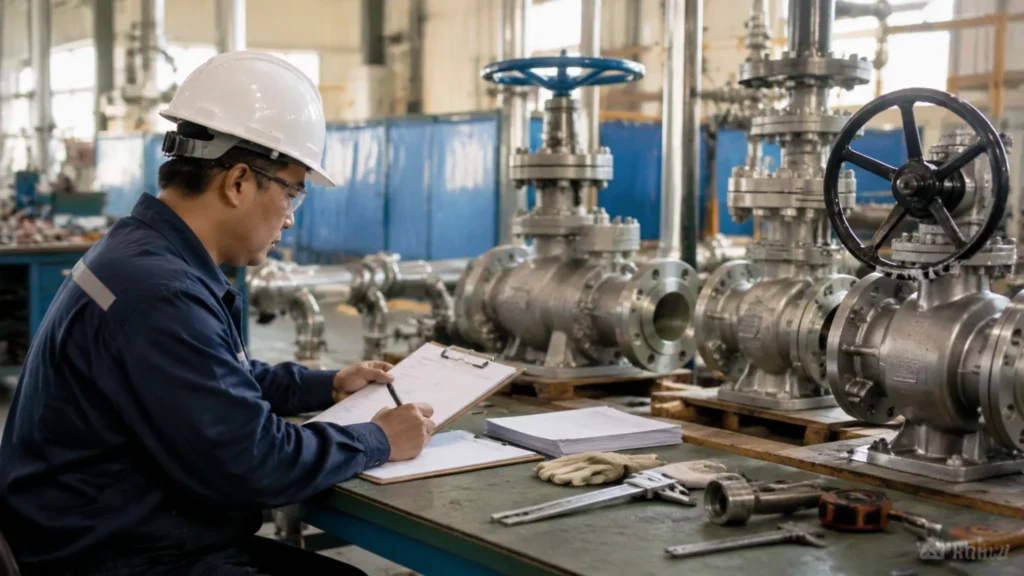
An ITP (Inspection and Test Plan) is a project quality control document used to define inspection activities, test requirements, acceptance criteria, responsible parties, and release rules before valve manufacturing begins. In most valve procurement projects, the manufacturer or vendor prepares the ITP based on the purchase order, project specification, applicable standards, and purchaser inspection requirements. […]
How to Interpret a Valve Pressure Test Report | API 598 Shell and Seat Test Acceptance Criteria
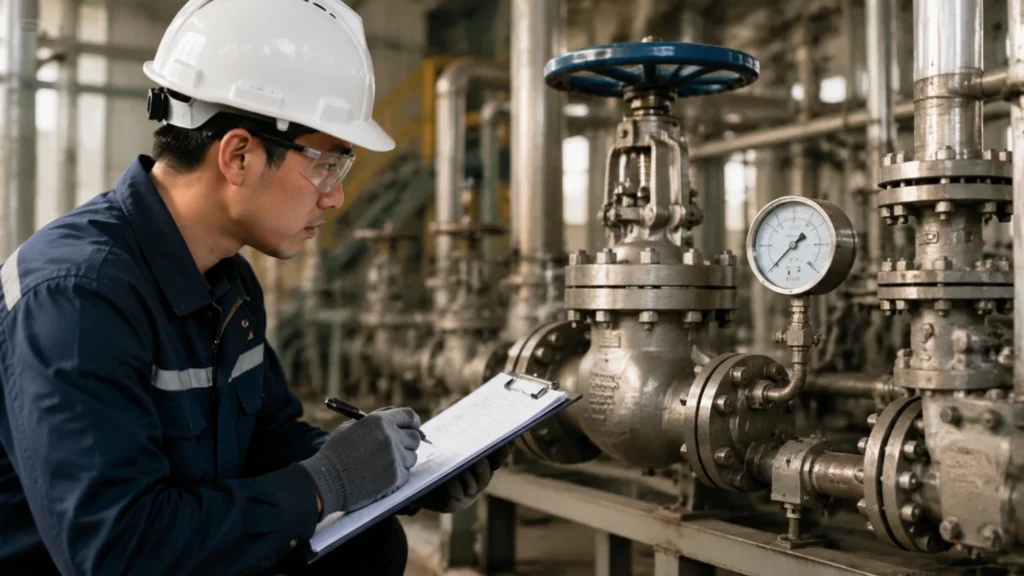
During valve procurement, factory acceptance testing, turnaround inspection, or pre-shipment review, the valve pressure test report is one of the most important quality documents. A report that looks complete at first glance may still contain wrong test pressure, insufficient hold time, unclear test direction, unsuitable test medium, or an incorrect leakage acceptance criterion. This is […]
How to Design a Double Block and Bleed Valve Assembly for Safe Isolation and Bleed Verification
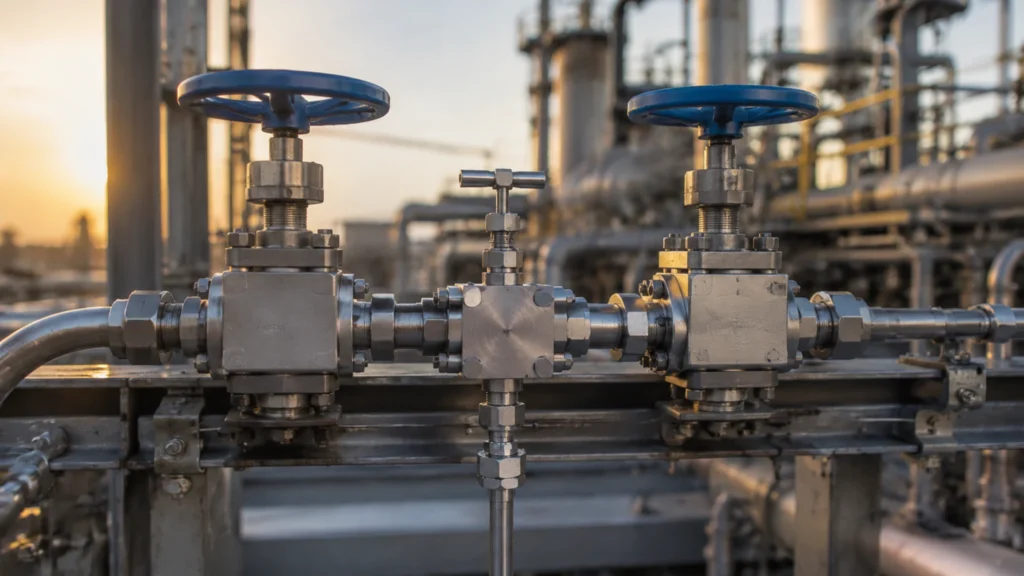
Three DBB valve banks at one petrochemical plant failed to vent completely because the bleed connection was routed to a higher discharge header without proper drain consideration. The problem was not only the valve selection. The bleed line geometry created liquid holdup and made pressure verification unreliable. A DBB valve assembly must be designed as […]
How to Choose Between Cast and Forged Ball Valves for Offshore Platforms | Weight, Strength, Cost
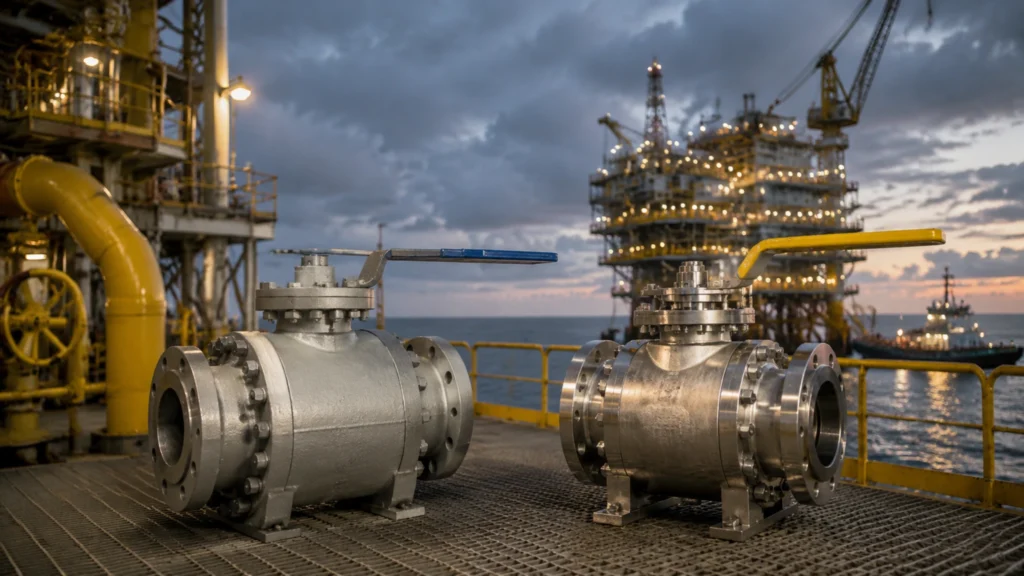
Selecting between cast and forged ball valves for offshore platforms involves trade-offs across weight, strength, cost, delivery time, maintainability, inspection risk, and long-term service reliability. Based on offshore replacement, procurement, and inspection experience, forged products are generally preferred for small-bore, high-pressure, high-cycle, and vibration-sensitive services. Cast products remain practical for many large-bore and medium-pressure services […]
Industrial Ball Valve Standards and Testing 丨 API 6D, API 598, Fire-Safe, and Material Certification Explained
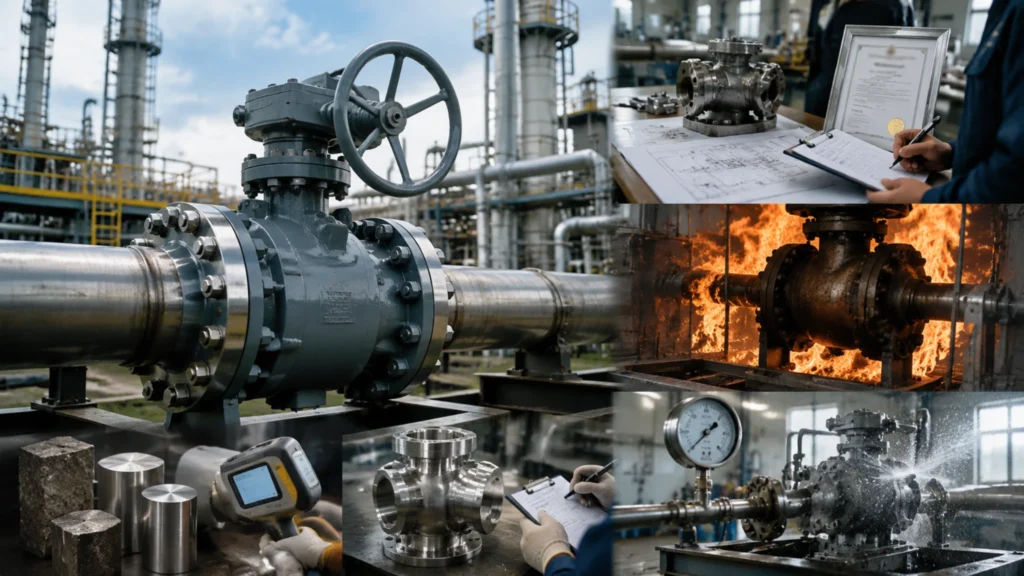
A quality manager at a valve distribution company once told me something that stuck: “We don’t sell valves. We sell the confidence that when you close the valve, the flow stops.” An industrial ball valve that doesn’t seal is not a valve. It’s a very expensive pipe fitting. The confidence that a ball valve will […]