How to Choose an Industrial Valve Manufacturer丨 What Separates a Supplier From a Partner
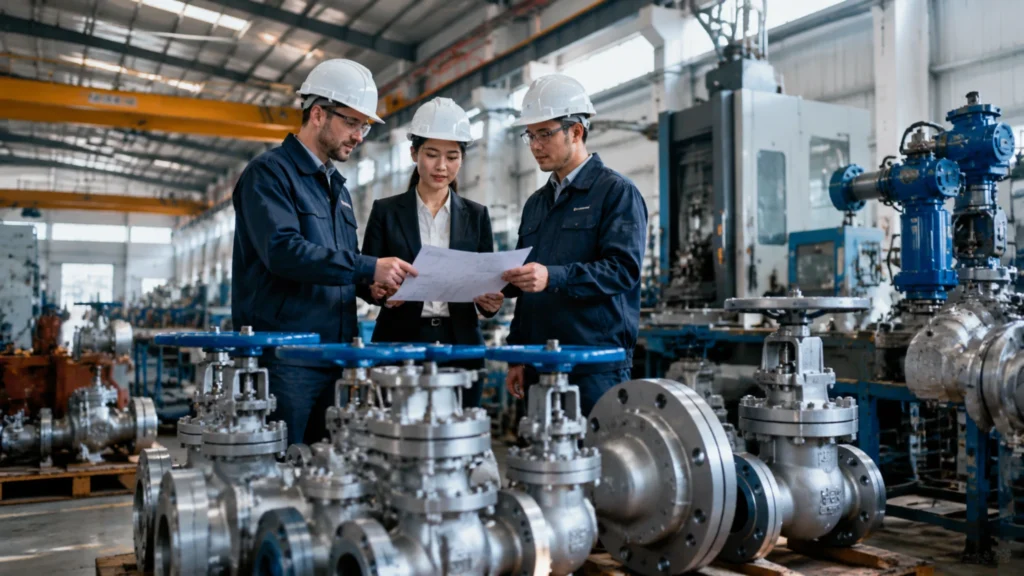
In 2017, a petrochemical plant in the Middle East ordered 300 valves for a new process unit. Gate, globe, check, and ball valves. Classes 150 through 900. Carbon steel and stainless. The procurement team sent the same RFQ to seven manufacturers, evaluated the quotes on price and lead time, and awarded to the lowest bidder. […]
How to Size a Ball Valve for Steam Service | Temperature Derating and Material Limitations
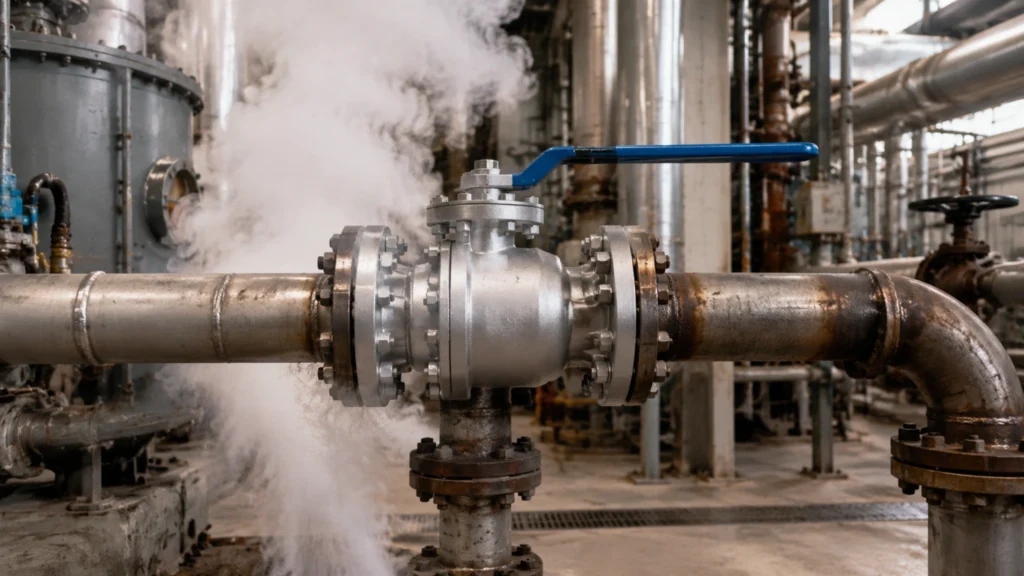
Valve sizing for steam systems differs fundamentally from liquid service. Temperature is a primary factor that determines body pressure-temperature rating, seat material, bolting grade, stem packing, and bonnet design. Steam valve selection is not only a pressure-class decision. It requires a combined check of steam state, operating temperature, design pressure, body material derating, seat material, […]
How to Troubleshoot a Leaking Ball Valve in the Field | Stem Leak vs Seat Leak Diagnosis
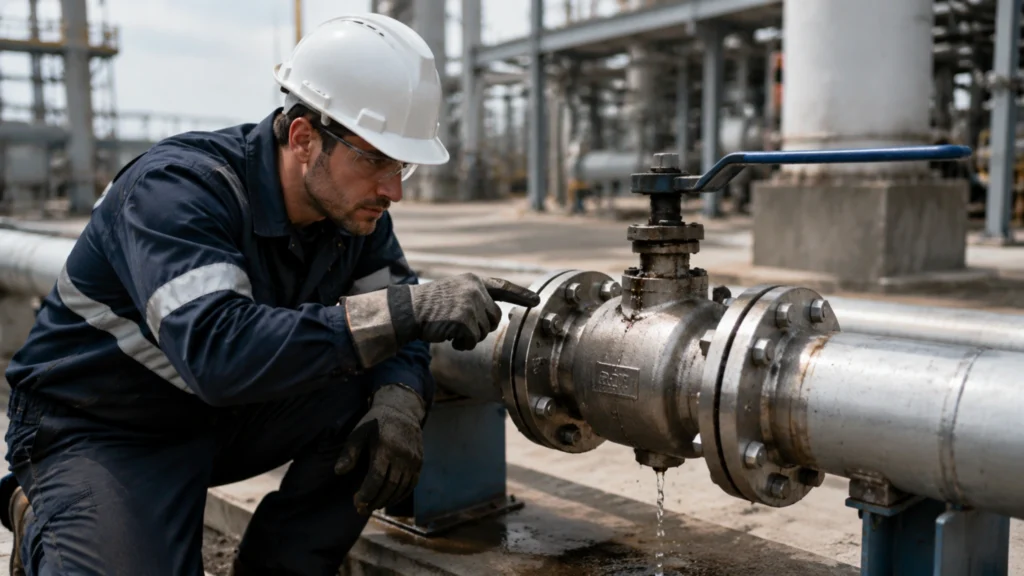
Ball valves are widely used shut-off devices in oil and gas, petrochemical, chemical processing, water treatment, and industrial pipeline systems. When leakage appears in the field, the first step is not to replace parts immediately. The first step is to identify the actual leak path. Most ball valve leakage problems can be separated into two […]
How to Understand API 6D vs API 6A Ball Valves | Pipeline vs Wellhead Application Differences
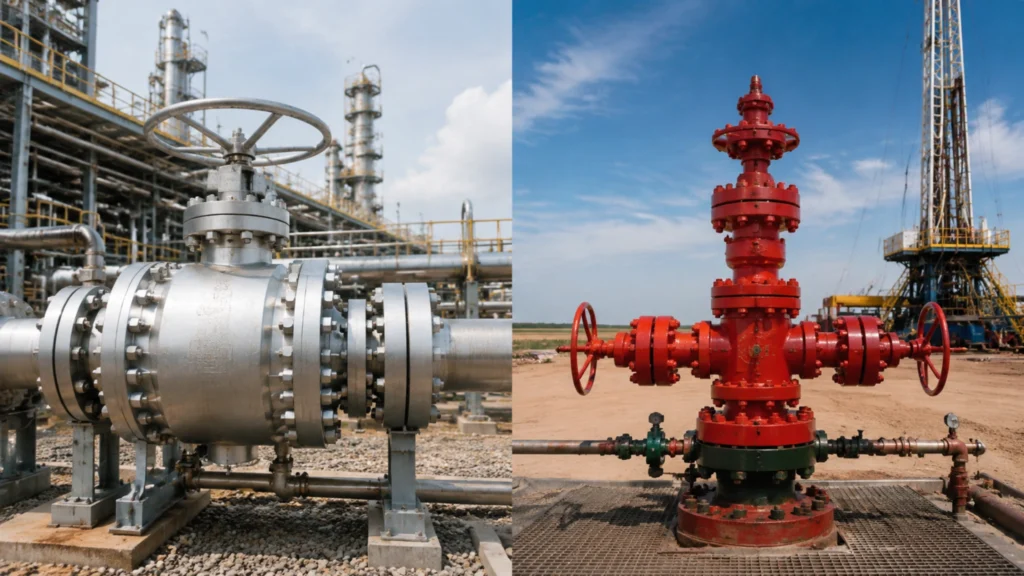
API 6D and API 6A are two valve-related standards that are often confused in oil and gas procurement. API 6D is commonly used for pipeline and piping valves, while API 6A governs wellhead and Christmas tree equipment. Their pressure systems, end connections, testing basis, and certification scopes are very different. For example, a carbon steel […]
How to Protect Ball Valves from Sand and Abrasive Media in Oil Production | Hard Coating Solutions
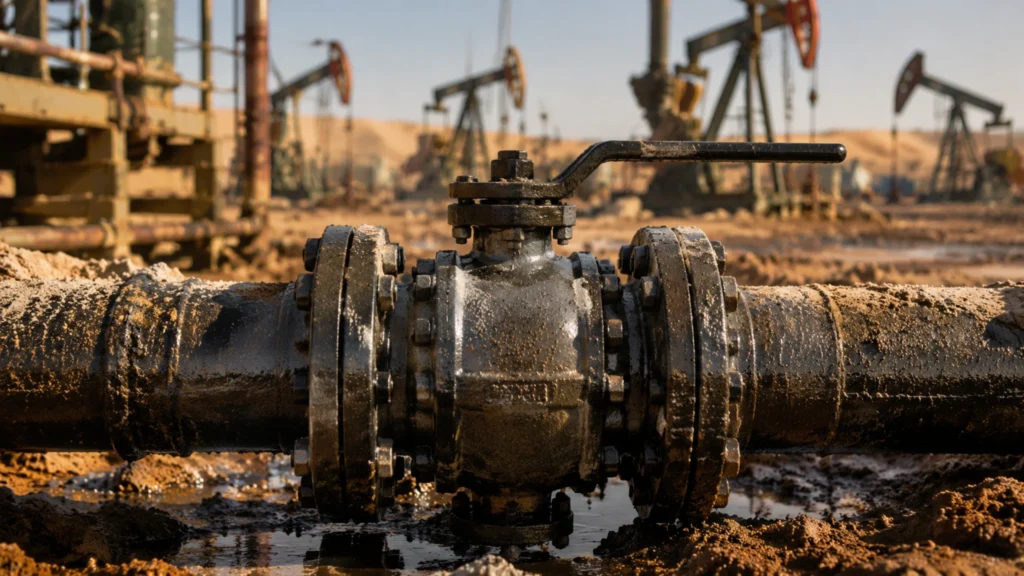
In oil production with sand-laden fluids, seal-face wear on ball valves is a common cause of internal leakage, torque increase, and unplanned valve replacement. Practical protection normally combines sand-severity screening, velocity control, wear-resistant sealing surfaces, debris-control seat geometry, and inspection intervals based on measured wear history. In one Middle East oilfield project, produced fluid entering […]
How to Calculate Pressure Drop Across a Ball Valve | Cv Values and Flow Coefficient Guide
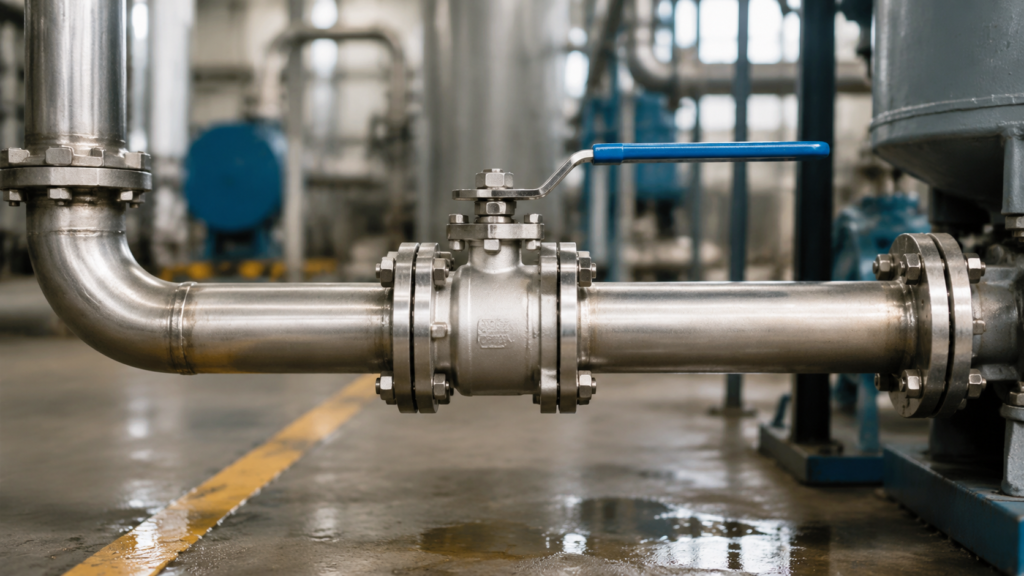
In industrial piping systems, calculating ball valve pressure drop directly affects pump or compressor duty, available downstream pressure, operating cost, and system reliability. The Cv value quantifies a valve’s flow capacity. In US customary practice, Cv is commonly expressed as the flow rate of 60°F water, in US gallons per minute, that produces a pressure […]
How to Handle Fugitive Emission Testing for Valves | ISO 15848-1 Class A/AH Certification Process
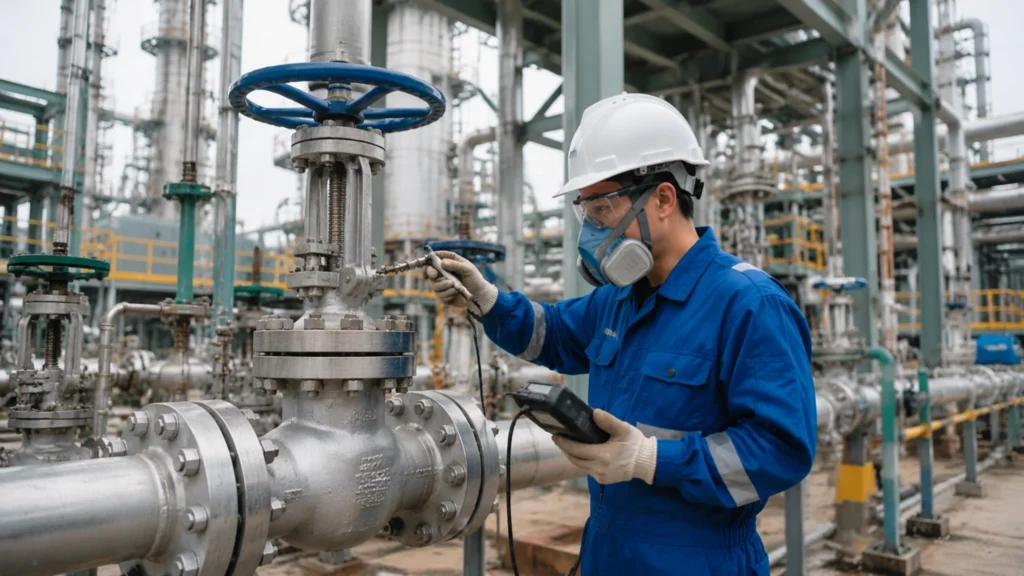
Fugitive emission (FE) testing for industrial valves verifies the external sealing performance of stem or shaft seals and body joints under controlled pressure, temperature, and cycling conditions. It is especially important for valves used with volatile air pollutants, hazardous fluids, methane-containing service, refinery units, LNG facilities, petrochemical plants, and projects where the purchaser requires low-emission […]
How to Prepare a Valve Data Book for Project Handover | MDR, Test Records, and Certification Compilation
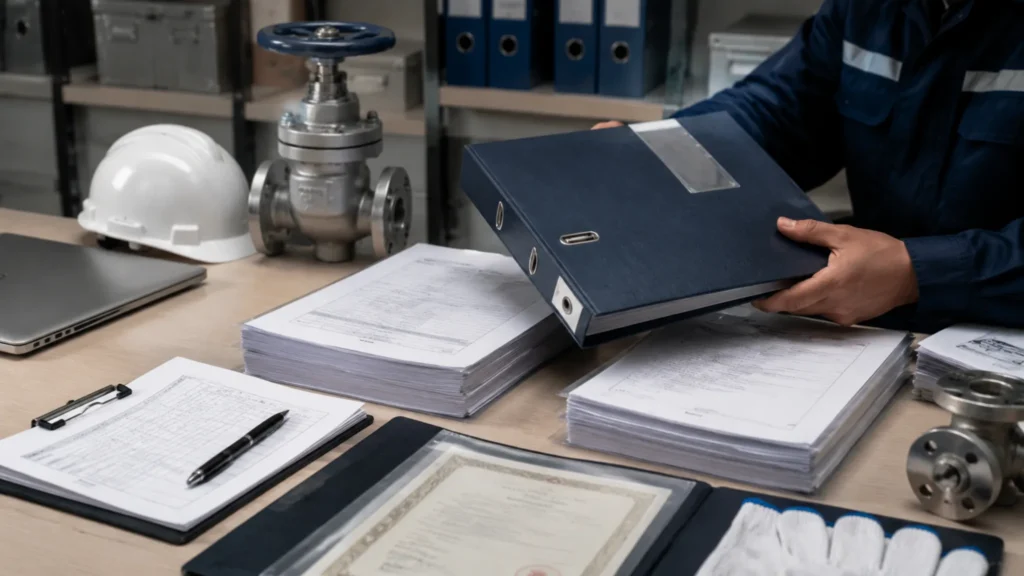
A Valve Data Book is the controlled documentation package that valve manufacturers compile for project handover in EPC oil and gas, petrochemical, power, water, and industrial pipeline projects. It is the primary evidence file for each delivered valve. A complete Data Book links the purchase order, valve tag, serial number, material heat number, inspection records, […]
How to Procure Industrial Ball Valves for Power Plant Projects | Bid Package and Vendor Qualification

Power plant ball valve procurement depends on process duty, pressure class, material compatibility, inspection evidence, certification scope, and delivery risk. A reliable procurement package converts these requirements into measurable bid documents, verifiable vendor qualification criteria, and enforceable inspection controls. In large thermal power projects, total valve quantities can reach tens of thousands when main process […]
How to Read a Valve Torque Curve | Break Torque, Run Torque, and Safety Factor Selection
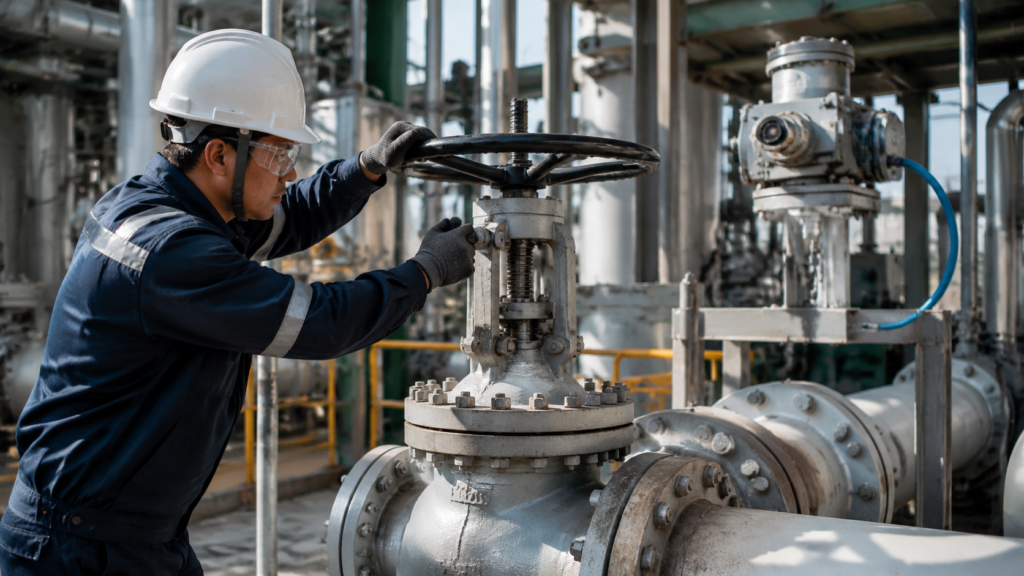
A valve torque curve is the main reference for actuator sizing. If the curve is read from only one value, the selected actuator may fail to open the valve, stop before full travel, or close without enough torque to achieve the required seat tightness. The opposite problem is also common: if a catalog value is […]